


By Elizabeth Dunn
In Florida, hurricanes and the subsequent loss of power are a fact of life. Unfortunately, the loss of power compounds the challenges caused by a storm and makes disaster response and recovery more difficult. But it doesn’t have to be this way.
Through my work leading the University of South Florida Community Emergency Response Team, I saw firsthand the aftermath and damage caused by back-to-back storms Helene and Milton. While utility crews worked tirelessly to restore the grid over days and weeks, solar and storage-equipped households never lost power, keeping lights, air conditioning, internet and appliances working the entire time.
Some even became community hubs, offering meals, phone charging and relief to neighbors left in the dark in the wake of the storm. In many ways, this represents response and recovery in action — ordinary households becoming micro-centers of resilience because they invested in preparedness long before the storm makes landfall.
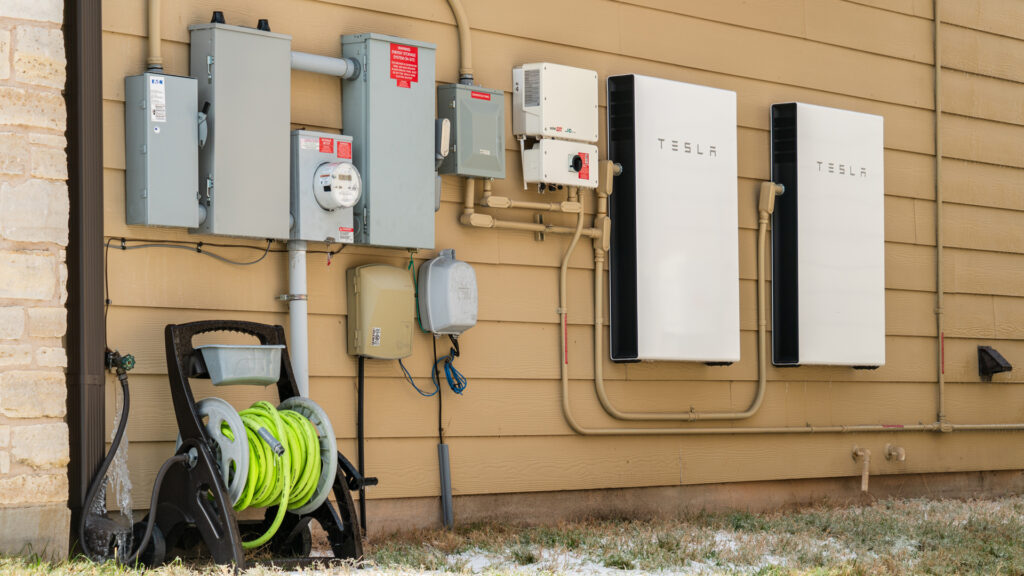
Solar and storage are quickly becoming one of the most powerful tools for mitigating risks and preparing for disasters, sustaining critical needs during the response and supporting recovery efforts long after the storm has passed.
As someone who has spent years working and studying at the intersection of mitigating risks to critical infrastructure, protecting vulnerable populations and advancing disaster resiliency, I’ve seen firsthand how solar and storage are reshaping what it means to be prepared for a storm. As we reach the time of year when storm systems seem to develop weekly with hurricanes exhibiting unprecedented rates of intensification, the time to add solar to your home has never been more critical.
One of the most misunderstood facts about solar is its ability to survive hurricane-force winds. Not only are panels built to withstand hurricanes, they often reinforce the structure they’re mounted on, providing both power and an additional layer of protection during the uncertainty of impending storms. And when those panels are connected to battery storage, homeowners have peace of mind before, during and after a storm strikes, knowing they can remain powered even if the grid goes down and fuel is running low.
At the neighborhood level, we’ve seen homeowners join together to purchase solar at a reduced rate for multiple houses. This type of collective mitigation reduces upfront costs while increasing redundancy across the community.
When an entire block or subdivision has solar and storage, neighbors are not only protecting their own households but also ensuring there are shared resources available when outages occur. These redundancies mean access to charging stations for mobile phones, refrigeration for life-saving medications and reduced food loss in the days after a storm — basic but critical capabilities that can make recovery faster and less costly.
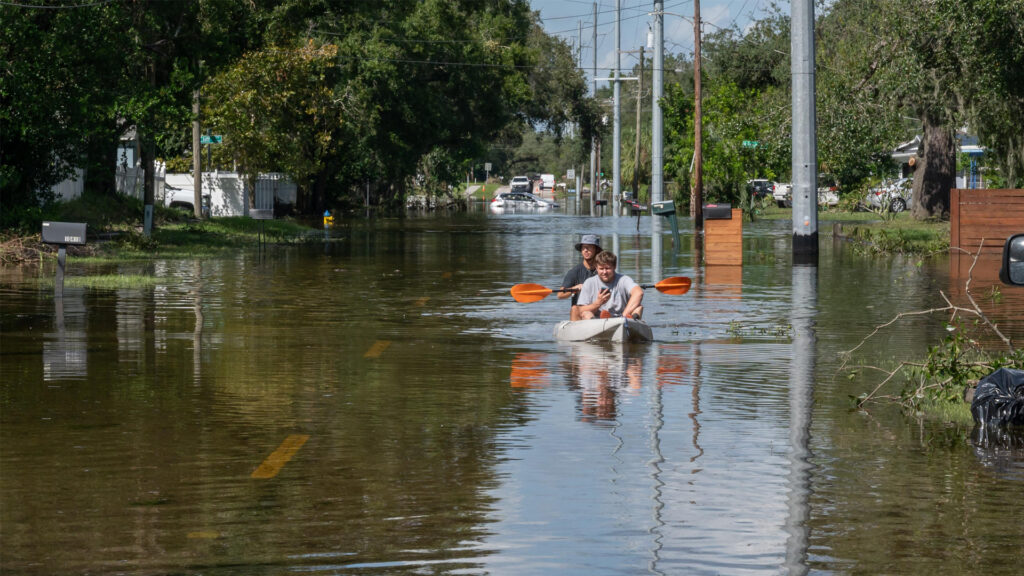
For businesses — such as hospitals, the port and farms — and for households that rely on wells, access to backup power is not optional; it is essential. For example, without electricity, well pumps cannot deliver water, leaving businesses and families without their most vital resource. During Hurricane Milton, more than 600 pumps failed in Hillsborough County due to the loss of power, leaving entire neighborhoods that were never designated flood zones suddenly underwater. These cascading failures underscore why energy resilience must be prioritized in our mitigation planning.
This is what modern resiliency looks like. Solar and storage are a safety net for homeowners and critical support to infrastructure, taking strain off the grid and providing Floridians the ability to take their safety into their own hands, especially for vulnerable communities hit hardest by outages and slow recoveries. With rapid development reshaping so many parts of Florida, it would be beneficial to see building standards require or make it easier to add redundancies in power supply and critical systems.
It is no longer enough to design homes and neighborhoods for blue-sky conditions. They must be designed to withstand and adapt to disruptions and prolonged outages due to disasters.
The great news is that rooftop solar and battery storage systems are designed to integrate and work well with the existing energy grid. We should continue to support policy and regulatory frameworks that bolster cooperation between households and businesses that take proactive measures to enhance their resilience and the utilities that serve them.
Additionally, energy independence during emergencies should not be viewed as a luxury, but rather as a critical component of community safety and a means to ensure continuity of operations for businesses while providing measures for long-term disaster risk reduction.
We can not control the weather, but we can control how we prepare. Preparedness is more than storing food and water. It now includes investing in energy solutions that can sustain households and neighborhoods when the larger system fails. Solar and battery storage are not just about environmental impact; they’re about survival, security and self-sufficiency. As natural disaster occurrences in our state grow, so too must our commitment to local energy solutions that keep the lights on when everything else goes dark.
We have the technology, and our state is defined by its sunshine. The time to prepare is now. Hurricanes and thunderstorms are inevitable, but how we weather them depends on the choices we make before they strike.
By investing in solar and neighborhood-level energy resilience, Floridians can ensure that communities bounce back faster and stronger when the next storm hits. Together, we can make solar a cornerstone of how we protect, sustain and power our communities in the face of growing risks.
Elizabeth Dunn has served as a faculty member since 2012 in the University of South Florida College of Public Health, where she teaches courses in homeland security and disaster management. This opinion piece was originally published by the Tampa Bay Times, which is a media partner of The Invading Sea. Banner photo: Solar panels on a Florida rooftop (iStock image).
Sign up for The Invading Sea newsletter by visiting here. To support The Invading Sea, click here to make a donation. If you are interested in submitting an opinion piece to The Invading Sea, email Editor Nathan Crabbe at ncrabbe@fau.edu.
