


By Robert L. Knight, Howard T. Odum Florida Springs Institute
The Florida Springs Institute recently assessed north Florida dairies as a source of pollution to the Floridan Aquifer and artesian springs.
Monitoring of drinking water wells, springs and rivers in the Suwannee River Basin has documented severe nitrogen pollution that impairs ecological and human health.
According to the Florida Department of Environmental Protection, excess nitrogen in north Florida’s waters is due to the combined effects of agricultural and urban fertilizers, animal wastes (cattle and poultry) and, to a lesser extent, human wastes from septic systems.
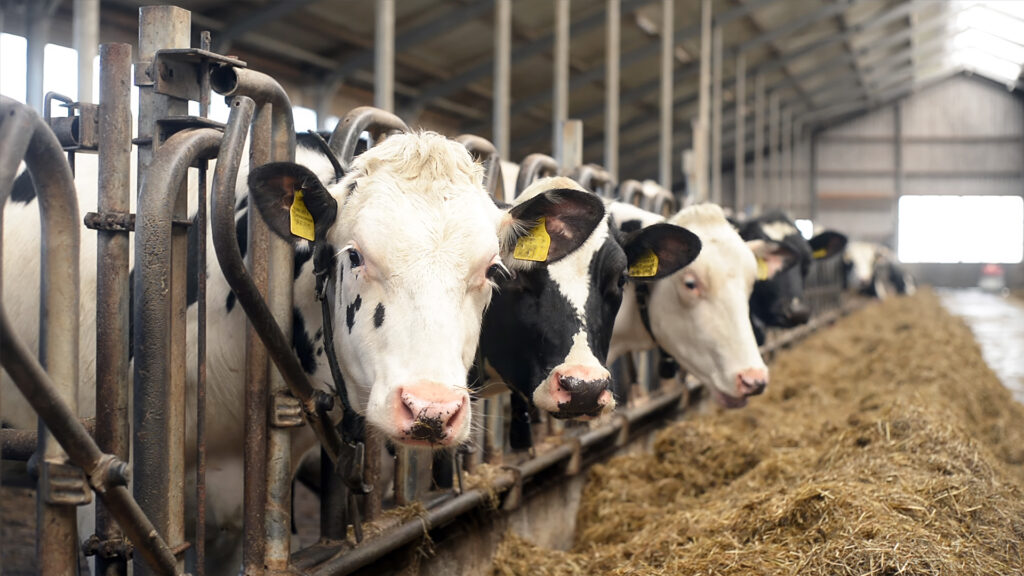
But the expanding dairy cow population stands out as the most concentrated source of environmental nitrogen pollution in north Florida. Our study determined that wastes from a relatively small number of dairies contribute about one-fourth of the total nitrogen load to the regional groundwater and springs.
A typical dairy cow excretes manure and urine with 300 pounds of nitrogen each year. That nutrient load is roughly equivalent to the waste from 30 humans.
But unlike human wastes, dairy wastes are not subject to advanced treatment regimes. In fact, in Florida, most dairy wastes are captured in a lagoon, diluted with groundwater, and sprayed as a manure slurry onto fields.
The nitrate form of nitrogen is invisible and tasteless in water and cannot be removed by filtration. Spring plant and animal communities are harmed by even low concentrations of nitrate-nitrogen in groundwater.
Unfortunately, north Florida dairies typically pollute their underlying groundwater 10 to 30 times higher than the state’s safe nitrate-nitrogen concentration for springs.
Since 2008, the Department of Environmental Protection has been working on a plan to reduce nitrogen loading in the Suwannee River Basin. The department’s 2025 plan calls for an 85% reduction in nitrate-nitrogen in groundwater. To achieve this target, farms and communities throughout the basin need to reduce their annual nitrogen loads from fertilizers and animal wastes by more than 40 million pounds.
But each passing year sees increasing nitrogen loads to this region’s springs and rivers from expanding dairies, increasing fertilizer use and human population growth.
Dairy termination project
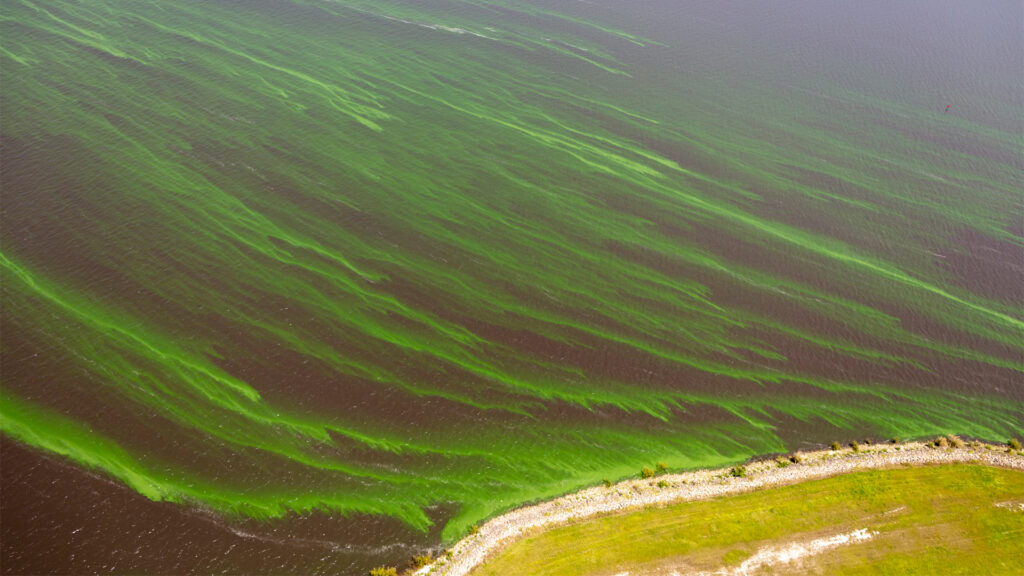
In the 1970s and 1980s, farm-based nutrients flowing into South Florida’s Lake Okeechobee nearly tripled, leading to nutrient over-enrichment and algal blooms in the lake and downstream water-quality impairments in Everglades National Park.
In response, the federal government initiated the 1986 Dairy Termination Project. This program was undertaken to reduce excess milk supply (and boost milk prices) by paying dairy farmers to remove their dairy herds from South Florida.
One news article indicated that 32 of 51 dairies in Okeechobee County took advantage of the buyout and left.
Dairies in the Suwannee River Basin in north Florida experienced a notable expansion at about the same time as the government’s South Florida dairy buyout. Within three decades, north Florida dairies outnumbered dairy farms in South Florida with an estimated total of 40,000 dairy cows.
The Florida Springs Institute report documents this ongoing rapid expansion in north Florida, based on an estimated current population of 85,000 cows.
A vulnerable aquifer
Unfortunately, these dairy cows reside above the most vulnerable portion of the limestone Floridan Aquifer.
The geology in the Suwannee River Basin agricultural area is karstic — a veneer of sand directly above and in direct contact with the porous limestone aquifer. A significant fraction of pollutants deposited on the land surface in the Suwannee River Basin find their way down into the potable groundwater.
The Florida Springs Institute reviewed years of dairy groundwater monitoring, including sampling from background, intermediate and compliance monitoring wells. The analysis documented nitrate-nitrogen concentrations above the human health drinking water criterion. Exceeding the drinking water benchmark can result in the body’s inability to transport and deliver blood oxygen, a potentially lethal disorder called blue baby syndrome.
Ongoing research worldwide indicates that nitrate-nitrogen concentrations in drinking water — even those much lower than the human health standard — are implicated in a variety of chronic human health outcomes, including birth defects and colorectal cancer.
In fact, the north Florida counties with the highest dairy cow populations and highest drinking water nitrate concentrations have above average incidences of colorectal cancer.
Protecting the springs
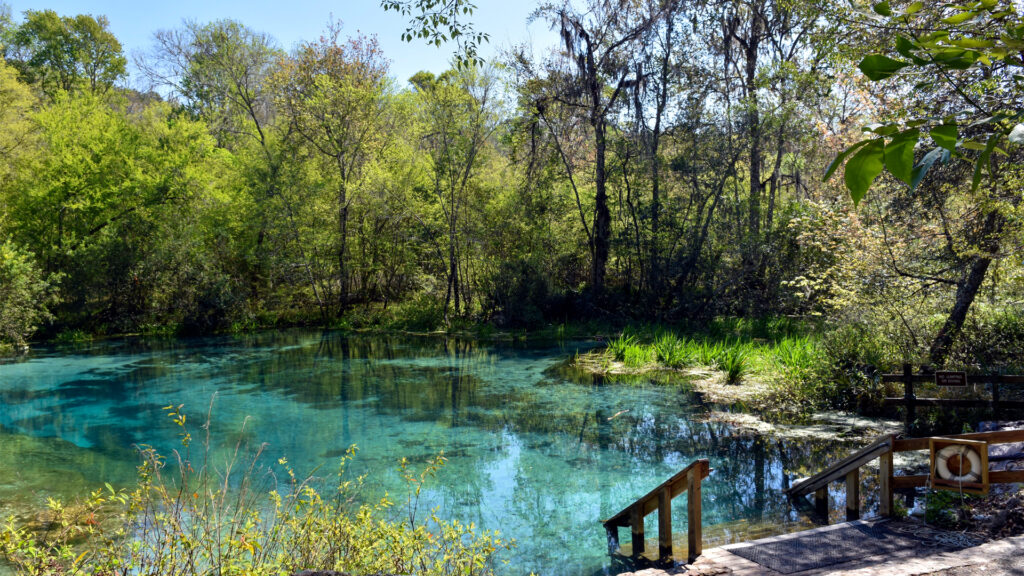
North and Central Florida are the epicenter of the largest concentration of artesian springs in the world. Our 1,000-plus springs host a wide variety of aquatic plant communities and dependent wildlife.
Florida’s springs are so special that they are the main attractions at many of the state’s award-winning state parks, including Silver, Wekiwa, Rainbow, Wakulla, Ichetucknee, Manatee and many others.
The 2016 Florida Springs and Aquifer Protection Act created a new water quality designation for 30 Outstanding Florida Springs, with the intention to restore and protect them from environmental degradation.
But when the Florida Department of Environmental Protection reviewed their data, they found that 24 of those 30 outstanding springs were already impaired by excessive nitrate-nitrogen levels.
Despite the programs adopted by the department to protect these largest springs, nitrate-nitrogen pollution is increasing and 28 of the Outstanding Springs are currently impaired by nitrate-nitrogen.
In addition to unacceptable nitrate-nitrogen pollution, groundwater withdrawals by dairies result in lower spring and river flows, further impairing the regional surface water resources.
North Florida dairy farms consume an estimated 48 million gallons per day of potable groundwater for cow watering, cooling, washing and crop irrigation. Minimum flows in the Santa Fe and Ichetucknee rivers, both tributaries to the Suwannee River, are already below regulatory targets. These rivers and their feeder springs are included in a regional groundwater flow recovery strategy that may cost public taxpayers an estimated $1.1 billion.

To mitigate the problem, future dairy farms should be situated on less vulnerable landscapes than those comprising the unconfined Suwannee River groundwater basin, and no new dairies should be allowed on vulnerable karst landscapes.
Advanced wastewater treatment of dairy wastes is the only potentially viable option to achieve the Suwannee River Basin 85% nitrogen reduction mandate. This option is technically feasible but very expensive, likely to cost in the hundreds of millions of dollars each year for the existing north Florida dairies.
Alternatively, state mandated dairy herd reduction needs to be considered to achieve the Suwannee Basin nitrogen reduction goals in a reasonable time frame.
Is it time for a second dairy buyout?
Robert L. Knight, Ph.D., is president of the Howard T. Odum Florida Springs Institute in High Springs. He has 38 years of experience as an aquatic and wetland ecologist in Florida and his doctoral work included an ecological assessment of Silver Springs and the Silver River. This opinion piece was originally published by the Tampa Bay Times, which is a media partner of The Invading Sea. Banner photo: Cows in a pasture at a dairy farm (iStock image).
Sign up for The Invading Sea newsletter by visiting here. To support The Invading Sea, click here to make a donation. If you are interested in submitting an opinion piece to The Invading Sea, email Editor Nathan Crabbe.
