


By Jerald Pinson
Last year, on Sunday, Sept. 24, a small group of people gathered at Temple Shir Shalom in Gainesville, Florida, to share how they felt about climate change. The timing seemed prescient.
About 800 miles south of the gathering, two columns of air twisted into a cyclone above the western Caribbean Sea, with sustained winds of 45 mph. Earlier that day, the National Oceanic and Atmospheric Administration had categorized the disturbance as a tropical storm and given it the name Helene.
Record-high ocean temperatures quickly turned what had been a mildly inconvenient breeze into a violent hurricane that ran aground on the Florida Panhandle two days later. The average global ocean temperatures in 2024 were the highest ever recorded, and by the time Helene had spun out over the Midwest, it had become the fourth-most expensive hurricane of all time. Damages were estimated at $78.7 billion.
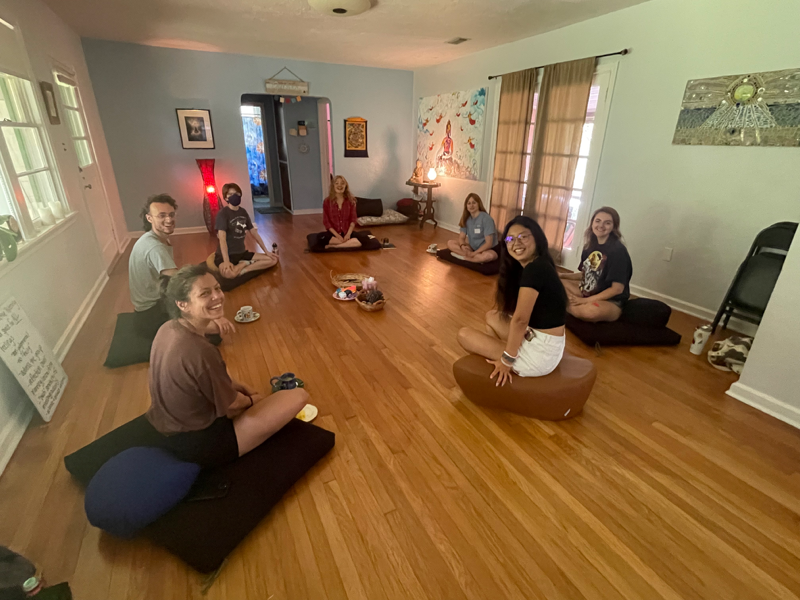
The storm was a topic of conversation at the Sunday cafe, but at that point, it had only manifested in a vague sense of unease. Belina Meador, who had begun organizing the meetings that April, led the group in a brief grounding meditation.
“There’s a stigma against talking about climate emotions, even with our friends and family,” Belina said in an interview.
She referred to a 2022 study documenting that, while two-thirds of Americans support climate change mitigation policies, 80-90% perceive the opposite to be true. Similarly, a survey of Gen Z youth from 10 countries found that, while a majority said that the future is frightening, nearly half had felt dismissed when discussing climate change.
“A lot of people carry this feeling that others don’t care as much about the climate crisis as they do, so simply hearing others express their concern builds a feeling of solidarity. It softens the perception of isolation, and it facilitates an alignment of felt experience with the reality of broad concern.”
Climate Cafe GNV is one of many similar groups that have formed in cities around the world. Support groups that place an emphasis on grieving environmental destruction have been meeting at least since the 1980s, but the idea to focus on climate change is a more recent upwelling.
One early group formed in the small town of Birnham, Scotland, where a death cafe was held in 2015. The idea was to meet in a neutral space where people could speak of their experiences of death without fearing judgement.
That served as inspiration for their first climate cafe, which was held in the same town later that year. Within months, the idea had spread to neighboring areas of Scotland, after which it quickly slipped across international lines.
As with any widespread social movement, this one has a robust energy source. Climate change is something we all collectively and individually experience, but we often have to put it at the back of our minds to get by in the world. This results in cognitive dissonance that slowly builds in pressure and can lead to frenzy, burnout and apathy. Climate cafes act as a sort of release valve.
For Brooke Watkins, who began volunteering with Climate Cafe GNV after attending the September cafe, that pressure shows up as anxiety.
“I constantly have to look away from tragic things,” she said. “I think about them constantly, but I’ve learned not to bring it up, because I don’t want to bring others down.”
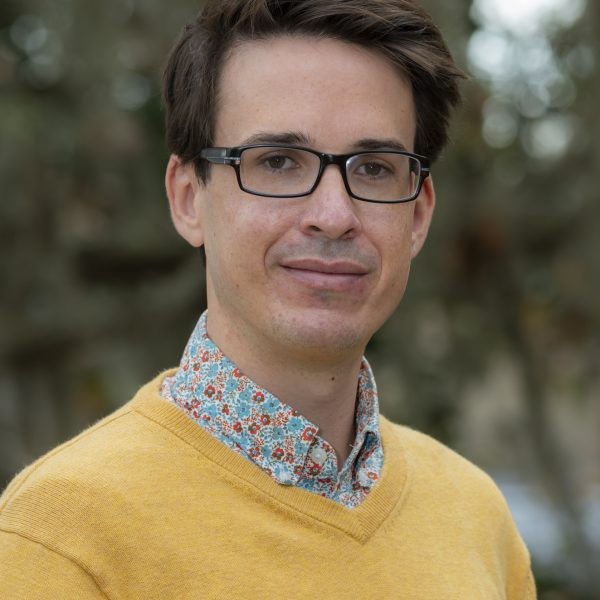
When she does talk about it during climate cafes, Brooke said she’s first confronted by a wave of grief. But after cresting that, a range of other emotions open up before her, camaraderie being the one she feels most keenly.
“It’s a relief to be in a space where I don’t need to know all the answers, and we can just share openly and learn from each other. It affirms my passion, frustration and resolve to be a part of the solution.”
The group hosts a variety of events in addition to the cafes, all aimed at building support networks and collective resilience. It’s a group for everyone: young people watching their inheritance burn, Boomers confronting guilt for having contributed – however unwillingly – to the current bleak reality, the diaspora of climate refugees, heartbroken conservationists, weary activists, prospective parents and the stubbornly hopeful.
By talking and listening to each other, Belina hopes people will come away feeling more supported and better equipped to do the work they find important.
Jerald Pinson is a science writer and has worked for a variety of academic institutions. He holds a master’s degree and a PhD in biology. To contact Climate Cafe GNV, email climatecafegnv@gmail.com. Banner photo: A group discussion (iStock image).
Sign up for The Invading Sea newsletter by visiting here. To support The Invading Sea, click here to make a donation. If you are interested in submitting an opinion piece to The Invading Sea, email Editor Nathan Crabbe at ncrabbe@fau.edu.

Great idea! How can I participate?