


By Joe Murphy
Anyone who has the fortitude to follow the news has reached the conclusion that climate solutions are not currently coming from leaders in Tallahassee or Washington.
It is easy to succumb to despair rather than hope. But while we may not find solutions from above, we are blessed with springs of hope and action around us.
The solutions we need to address both the causes and impacts of climate change can come from the human spirit, the leadership and the future-oriented resiliency in our communities. They can be found in our friends and neighbors, our youth, our fellow congregants, our local governments and our colleges and universities. Every citizen who chooses to be a source of light and hope guides us forward.
In the aftermath of Hurricane Milton last year, our family home in Ridge Manor, Florida, flooded. The nearby Green Swamp and Withlacoochee River were inundated by a wet summer, two back-to-back major hurricanes, massive rainfall and intensified weather due to climate change.
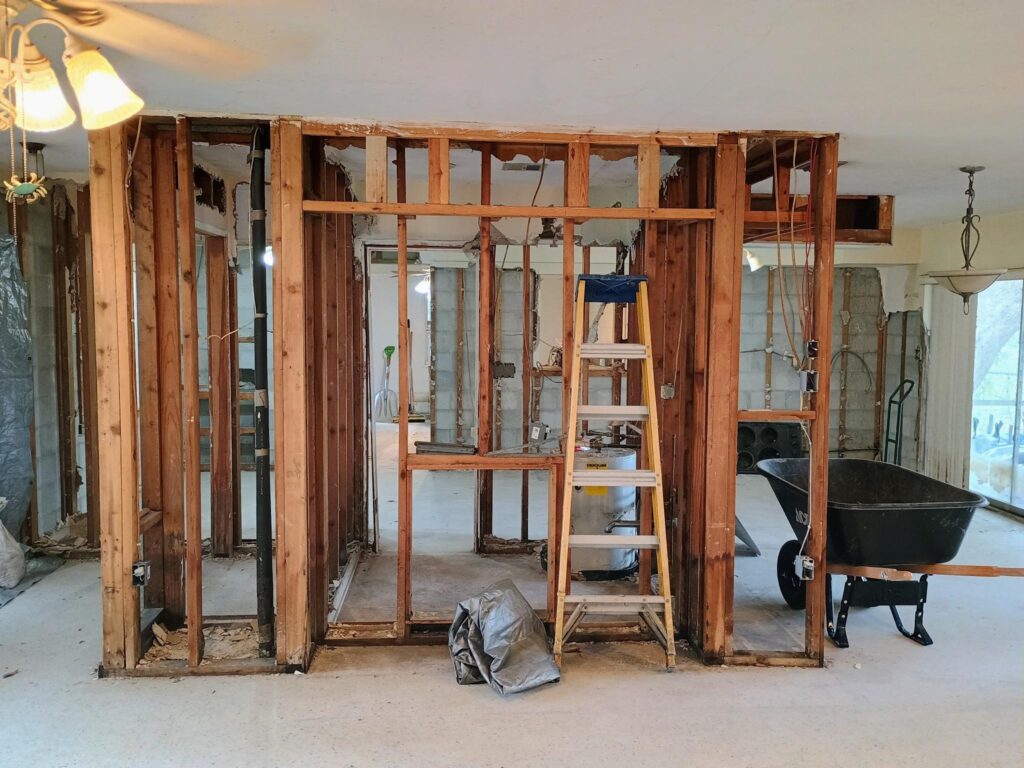
On Oct. 9, Hurricane Milton made landfall. By Oct. 19, our home of 20 years was flooded.
With three feet of water in our home, which sat for almost three weeks, we were overwhelmed. When the water receded, we witnessed the true damage that flooding does in terms of mold, decay and loss.
A flood of water led to a flood of despair as we experienced the damage. We did not know how to go forward and felt utterly alone.
Then, the most amazing thing happened: Strangers who we had never met arrived to help us and show us the way forward.
Amazing volunteers from Louisiana, led by the Cajun Army, had enough equipment, skill, experience and strength of spirit for those struggling. We were joined by co-workers, fellow church members, friends, neighbors and family who helped us reclaim and save our home.
The kindness of strangers — coupled with local and home-grown engagement — reminds us that natural disasters, made worse by climate change, sometime bring out the best in us when we work together in community.
Local communities have a deep reserve of resiliency and adaptive spirit. That can play a critical role in protecting us from flooding, storm damage, sea level rise, loss of habitat and the social and environmental consequences of a changing climate. We have that power within us.
We can’t address a global climate crisis simply by working in our backyard. But we can band together in our backyard, do the work to reduce climate change and prepare our human and natural communities for what is coming and what is here.
We still must demand state and federal officials provide leadership and solutions, but while they delay, dither and deny, we do not have to wait.
After the last hurricane season, local communities and governments across Florida understand that we must not lose the cooperation and purpose that led us to engage in recovery in shared spirit. We must put that to use to find local solutions to adapt to a changing climate with resiliency, good science, sound policy, nature-based solutions and equity of action and spirit.
And Floridians are doing just that: Local governments across Florida, with community participation, are enacting locally led and driven projects in their communities to enhance resiliency and create adaptation. They are finding nature-based solutions, such as living shorelines, and using green infrastructure to replace grey, concrete infrastructure.
In part, we are the solutions we seek. When we join together in projects such as the Tampa Bay Coastal Master Plan and the Southeast Florida Regional Climate Change Compact, or in other regional efforts to promote sustainability, we are agents of resiliency and response.
The more citizen and community led, the better. We don’t have to wait for the state or federal government. And we can’t.
Joe Murphy is a native and lifelong Floridian who lives in the southern Nature Coast. Click here to watch a video from Bay News 9 about volunteers responding to the flooding. Banner photo: Flooding at the author’s home in the aftermath of Hurricane Milton last year (Joe Murphy photo).
Sign up for The Invading Sea newsletter by visiting here. To support The Invading Sea, click here to make a donation. If you are interested in submitting an opinion piece to The Invading Sea, email Editor Nathan Crabbe at ncrabbe@fau.edu.
