


By Trimmel Gomes, Florida News Connection
Florida’s coastal historic sites, from Key West’s 19th-century buildings to ancient Indigenous grounds, are increasingly at risk from climate-driven flooding and erosion.
Diane Silvia, executive director of the Historic Florida Keys Foundation and a licensed building inspector, assessed Hurricane Irma’s damage alone for days after her husband was injured. She said emergency plans must prioritize cultural sites.
“One thing I would always recommend is that all emergency operations retain a building officials as part of their emergency operations and hopefully an inspector,” Silvia urged. “With Hurricane Irma, once the storm cleared, there was no one to do damage assessment except for me.”
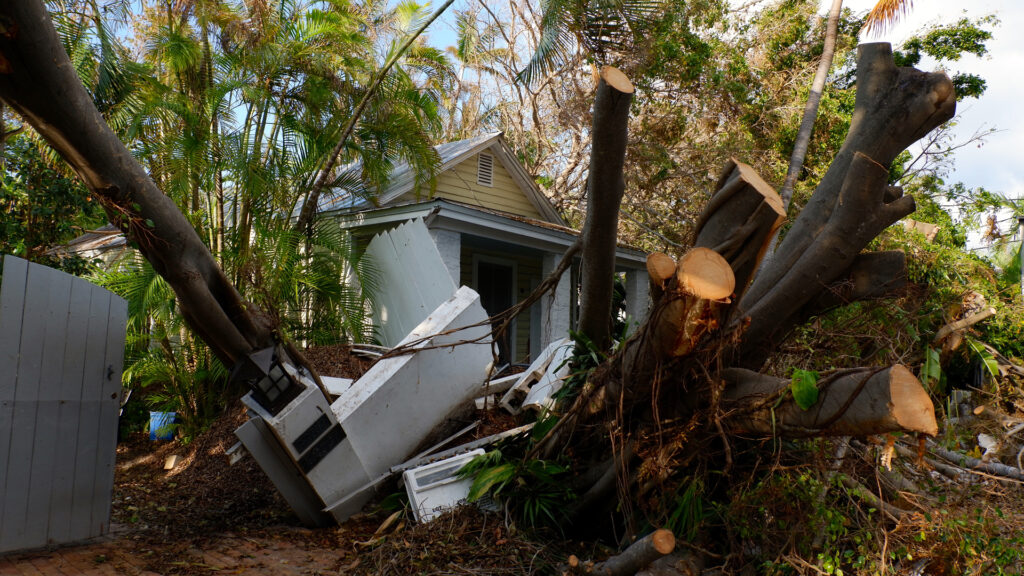
Silvia acknowledged Key West was well-prepared, with a special software to allowing her to upload critical data to the Federal Emergency Management Agency with her cellphone, but her experience underscored gaps in emergency planning for cultural sites, even in tourism-dependent Key West, where historic districts drive the economy.
Mary Furlong Minkoff, executive director of the Florida Public Archaeology Network, warned the Keys’ climate vulnerabilities foreshadow threats to all coastal Florida, where 75% of residents live near endangered historic sites.
“The Keys are the canary in the coal mine,” Furlong Minkoff asserted. “The majority of historic sites and archaeological sites are in coastal counties so as we see these impacts of climate and as you kind of work your way across South Florida, we are going to see those same impacts increasing in scale all across the peninsula and the panhandle.”
More than 12,000 documented archaeological sites face sea level rise, according to data from the Florida Public Archaeology Network.
Sarah Ayers-Rigsby, regional director of the network, stressed local residents must lead damage documentation when outsiders cannot access storm zones, as happened during Irma and COVID.
“Monroe County was closed off to other people, so if you are not a Monroe County resident, you couldn’t get down into the Keys to document some of these resources,” Ayers-Rigsby recounted. “So, making sure that local residents are equipped to do some of this documentation is really important and that they are involved and engaged.”
The Florida Public Archaeology Network Heritage Monitoring Scouts program trains volunteers to track threats to submerged sites and adapted structures like Key West’s raised-floor historic buildings, historical cemeteries, structures, and archaeological sites.
Archaeologists and preservationists are gathering in Key West this week to discuss threats and solutions at the ninth annual Tidally United Summit.
Florida News Connection is a bureau of the Public News Service. Banner photo: Waves crashing near the Southernmost Point marker in Key West (iStock image).
Sign up for The Invading Sea newsletter by visiting here. To support The Invading Sea, click here to make a donation. If you are interested in submitting an opinion piece to The Invading Sea, email Editor Nathan Crabbe at ncrabbe@fau.edu.
