


By Mary Grant, Food & Water Watch
Hurricane Helene made landfall in Florida on Sept. 26, 2024, with Milton following shortly thereafter. One year later, communities are still reeling from the storms’ catastrophic damage.
Hurricanes like the ones seen last year pose a massive threat to one of our most precious resources: clean, accessible drinking water. Communities need to build resilient utility systems that can withstand dangerous storms. The necessary upgrades to do so require federal support.
States can’t do this work alone. As extreme weather risk heightens in a changing climate, storms can debilitate entire drinking water systems — with special threats for systems in flood vulnerable areas.
A new analysis from Food & Water Watch reveals that Florida’s water systems are particularly at risk of flood-related disruptions. In the Sunshine State, over 1.8 million Floridians rely on 10 large systems for safe drinking water — all of which have at least half of their service in high flood risk zones.
We’ve seen the impacts from such siting. In 2022, Hurricane Ian severely damaged Lee County’s water system, cutting off the water supply for nearly 760,000 residents and causing more than $55 million in damages to the county’s utilities.
Storms also overwhelm municipal sewer systems by releasing massive amounts of potentially toxic wastewater into communities and water supplies. People are not only met with rising flood waters, but are also inundated with untreated sewage and dangerous contamination from industrial chemicals and toxic PFAS “forever chemicals.”
After Helene ravaged Florida, boil water advisories stayed in effect days after the storm passed due to risky bacteria levels, which had doubled in the wake of the storm. Places like St. Petersburg saw millions of gallons of untreated wastewater surge into communities. The Tampa Bay region reported the largest sewage release at 6.5 million gallons.
After Milton, water managers around the state were shocked by the Category 3 storm’s impact on local water infrastructure. Overwhelmed backup generators failed around the state. In Leesburg, nearly 2 million gallons of untreated sewage were released into communities because of this failure.
Fossil-fueled climate change will make these storms — and their impacts — more severe and more common. Florida can expect increased water and sewer system flooding, threatening public health, safety and restricted access to safe, accessible drinking water. This raises the question: Why aren’t our water and sewer systems built for these disasters?
Many of our nation’s largest water systems were built more than a century ago. They are inadequately prepared for today’s extreme climate reality — from floods to droughts, and hurricanes to wildfires. Even something as seemingly innocuous as excessive rain can cause flooding capable of overloading an outdated water system, washing away water lines, destroying critical infrastructure, and shutting off power to pumps and treatment plants.
Our analysis depicts only the tip of the iceberg. Our research focused on large systems serving over 100,000 customers. People in rural areas with smaller water systems are similarly under threat, particularly as system upgrades can cost more than a small municipality’s annual budget. A further 12% of Floridians rely on private wells for their water, posing unique risks. Well users are especially vulnerable to losing water access during storms as power outages turn off their pumps, and they must bear the costs of any repairs on their own.
All this costs money Floridians don’t have. According to the latest estimates from the Environmental Protection Agency, water and sewer systems in Florida need to make $26.75 billion in drinking water improvements and $46.56 billion in wastewater improvements over the next two decades just to comply with existing law. Local utilities are often forced to cover the expense themselves — if they can even afford it — before passing those costs onto ratepayers.
The result is higher water bills at a time when the cost of living is weighing heavily on everyone’s mind. For those unable to afford the improvements, the risk of unsafe water only grows.
Florida is a case study of the urgent need for federal water system funding. Yet right now, congressional Republicans are threatening to cut existing water funds in the annual appropriations bill that must be passed by the end of September.
Safe water should be a non-partisan issue. We need every member of Congress to reject any efforts to cut support for safe and clean water that local communities need.
Instead, we need proactive federal funding to protect safe drinking water. The WATER Act would designate the funds necessary to protect and clean up our water, fix outdated infrastructure and ensure affordable water for all. This legislation can help ensure communities secure the money needed for urgent upgrades, while also safeguarding this funding from annual spending battles and threatened cuts like what we’re seeing in Washington today.
Our elected leaders have viable options for helping Floridians stay safe from extreme weather — all that remains is the political willpower to see it through. You can take a stand for safe water by telling your Congress members to reject cuts to water funding in the spending bill and cosponsor the WATER Act (S.1730, HR 3376) today.
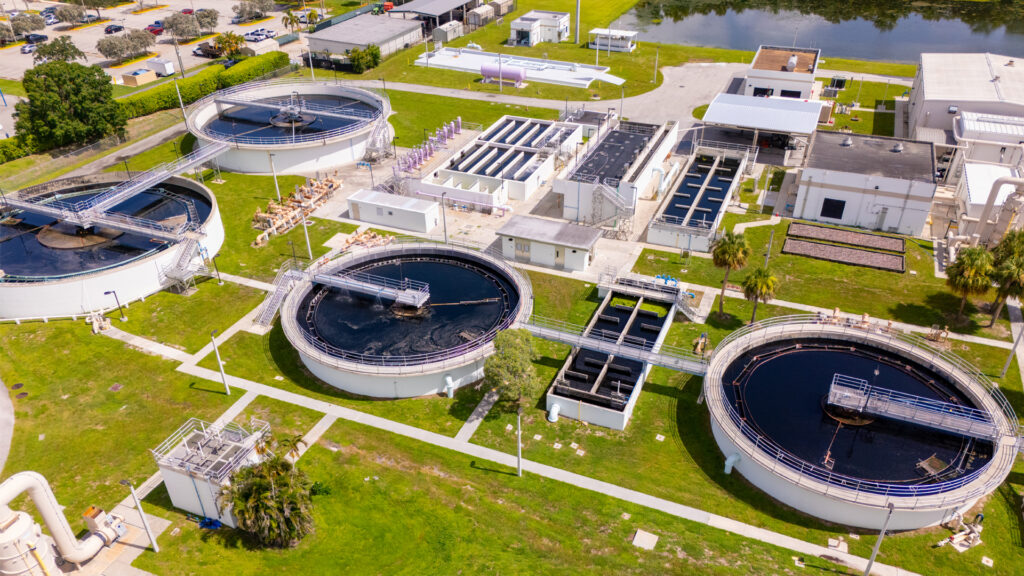
Mary Grant is the Public Water for All campaign director at Food & Water Watch. She oversees campaigns to support universal access to safe water in the United States by promoting responsible and affordable public provision of water and sewer service. Banner photo: A water treatment plant in Vero Beach (iStock image).
Sign up for The Invading Sea newsletter by visiting here. To support The Invading Sea, click here to make a donation. If you are interested in submitting an opinion piece to The Invading Sea, email Editor Nathan Crabbe at ncrabbe@fau.edu.
