


By Armando Pimentel, Florida Power & Light Company
Florida families and businesses count on reliable, low-cost electricity — especially as our state continues to grow and face more extreme weather. At Florida Power & Light Company, we work every single day to deliver some of the most reliable electric service in America while keeping customer bills well below the national average.
To continue providing our customers the value they expect, we’ve asked the Florida Public Service Commission (PSC) to approve a four-year plan designed to keep customer bills low while enabling us to build a more resilient grid, diversify how we generate electricity to reduce fuel costs and ensure our award-winning service remains among the most reliable in the nation.
This plan reflects our commitment to listening to customers and investing in the infrastructure that powers their lives.
Not everyone agreed with our initial plan, but in August we were able to reach agreement with a majority of the stakeholders who filed as intervenors in our case, crafting a settlement that would support necessary investments and keep customer bills well below the national average through the end of the decade.
Under the settlement agreement, FPL’s typical (1,000-kWh) residential customer bill would increase by about $2.50 a month next year, or less than 9 cents a day. In fact, the typical FPL residential customer bill in 2026 would be about 20% lower than it was 20 years prior when adjusted for inflation.
We reached this settlement after listening to our customers over the last several months and compromising on some issues, without compromising on our core principles of delivering reliable service while keeping bills as low as possible.
Multiyear settlement agreements are common in Florida utility rate cases and good for customers. When FPL and multiple parties find common ground, it provides rate stability for customers and enables FPL to focus on operational improvements and smart, long-term investments that improve the reliability and resilience of the grid. Here are a few of the ways FPL customers have benefited over the past two decades:

- FPL bills have remained well below the national average, saving the typical (1,000-kWh) residential FPL customer $679 last year, compared to a customer of an average utility.
- The reliability of our service has improved about 40% since 2005, meaning the average customer experiences significantly less outage time. FPL’s reliability is 59% better than the national average.
- We’ve driven down our non-fuel operating and maintenance costs so they are by far the lowest in the nation. This efficiency saves a typical FPL residential customer about $24 a month compared to a customer of an average-performing utility.
Especially in a dynamic state like Florida, where severe weather and storms are a part of life, we must continue to invest in the electric grid to deliver the exceptionally reliable service our customers expect and deserve. The settlement we’ve reached enables us to make those investments while keeping customer bills well below the national average and maintaining essential regulatory oversight and consumer protections. We believe the PSC and the public will agree that this settlement is a win for FPL customers and a win for all of Florida.
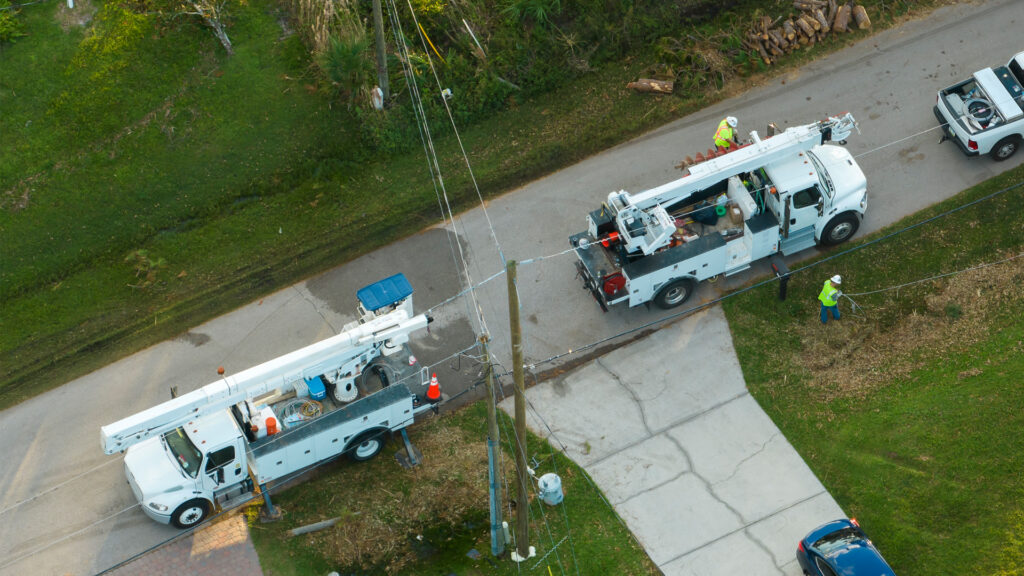
Armando Pimentel is the president and chief executive officer of Florida Power & Light Company. This opinion piece was originally published by the Palm Beach Post, which is a media partner of The Invading Sea. Banner photo: An utility worker fixes a power line. (iStock image).
Sign up for The Invading Sea newsletter by visiting here. To support The Invading Sea, click here to make a donation. If you are interested in submitting an opinion piece to The Invading Sea, email Editor Nathan Crabbe at ncrabbe@fau.edu.
