


By Benjamin Coward
For as long as I can remember, I have loved fireflies. I can easily recall, just like many other people, catching them to put them in a jar. Seeing them all fly out at once was nothing short of magical. These moments are what made me love nature.
Fireflies were everywhere when I was a child and have been even used as mascots for sports teams and an electric utility company in the Midwest. So, it comes as sad news that fireflies, also known as lightning bugs, are on the decline here in Florida and across our great country.
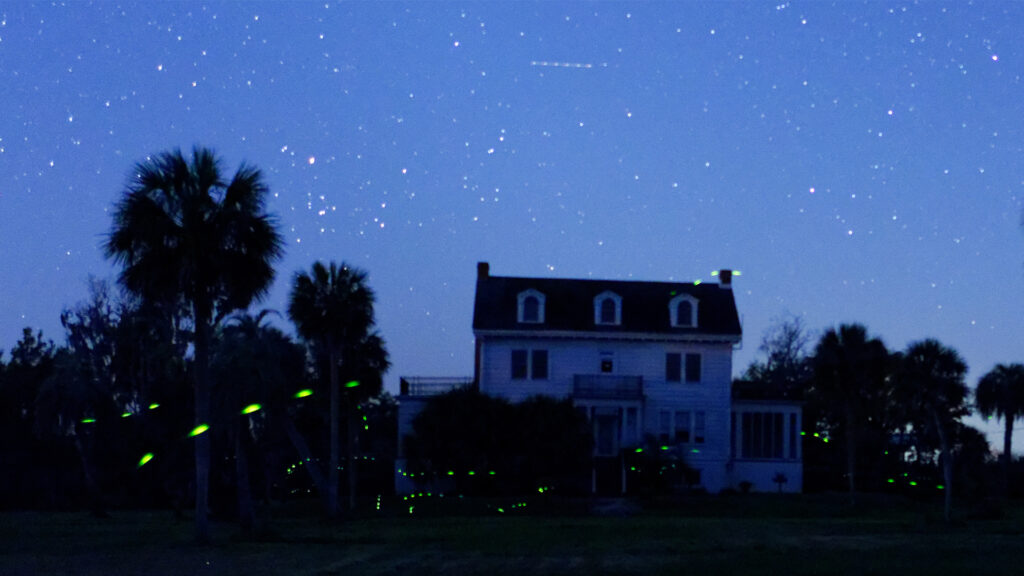
Fireflies are pollinators of our beautiful gardens and even help control pests. Fireflies do more than play an important part of the ecosystem; they provide important childhood wonder and love in the natural world.
The reasons for their decline are numerous and widespread. They include habitat loss, the overuse of pesticides and light pollution, according to the nonprofit group Firefly Conservation & Research. But there are many ways a normal homeowner can help.
One of the main causes for fireflies disappearing is habitat loss. Fireflies live in places like the edges of residential yards and forests. Their larvae like moist places near ponds and streams. Like many species, they require large habitats to have stable populations.
A study last year from researchers at Penn State University and other institutions found that urban development and climate change play a significant role in the decline of firefly populations. As global temperatures rise, the study found, conditions become less predictable and often less hospitable for fireflies.
If populations are pushed to the edge by these issues, it becomes harder for them to recover. Normally, neighboring regions would allow the area to be repopulated if the populations are healthy. But if this doesn’t happen, you can imagine the domino effect that takes place.
Pesticides are one solution used by many people as an answer to the problems posed by insects and weeds. Most people want to avoid ants, slugs and other bugs we consider pests. But in our efforts to keep our houses pest free, lawns green and gardens weed-free, many times pesticides are overused. Yet since this is where the fireflies live, by overuse of pesticides we also kill off our fireflies.
One alternative way to control species such as slugs and snails is actually by promoting healthy firefly populations. Firefly larvae eat many pests, thus achieving the same results as pesticides but through more natural methods.

Light pollution may seem like a weird cause threatening firefly populations. However, it actually makes perfect sense. Fireflies light up to communicate both what species they are and how to find mates.
If people’s outdoor lighting interferes with fireflies being able to see each others’ glow, then breeding will be negatively affected. So, one way to help the fireflies in your own backyard is to reduce your use of outdoor lighting, especially in the habitats where fireflies congregate.
Fireflies are an important part of our ecosystem and our own lives. Living together with the natural world is something that should not be taken for granted.
Fireflies help to enrich our lives not only by keeping pests out of the garden and pollinating the flowers, but by also reminding us of the beauty and magic of nature. Let’s keep them around to enrich both our lives and those that come after us!
Benjamin Coward has a bachelor’s degree in environmental science and currently lives in Gainesville. Banner photo: Fireflies in a forest (iStock image).
Sign up for The Invading Sea newsletter by visiting here. To support The Invading Sea, click here to make a donation. If you are interested in submitting an opinion piece to The Invading Sea, email Editor Nathan Crabbe at ncrabbe@fau.edu.

If people’s outdoor ***lighting*** interferes with fireflies being able to see each others’ glow…
Good article. 🙂