


By Julio Fuentes, Florida State Hispanic Chamber of Commerce
Artificial intelligence is one of the most important technological developments in generations and it will shape every part of our economic future. The last major shift of this scale was the rise of the Internet, when America emerged as the global leader. Whether we take the lead with AI is still up to us, but China is spending heavily to take the lead.
To win this, we need to build the infrastructure that supports modern AI. That includes dependable energy, advanced transmission systems and the data centers that perform the computing and storage behind AI tools. If Florida wants to support the next wave of breakthroughs in fields like health care, finance, business and national security, we need to make room for this infrastructure here at home.
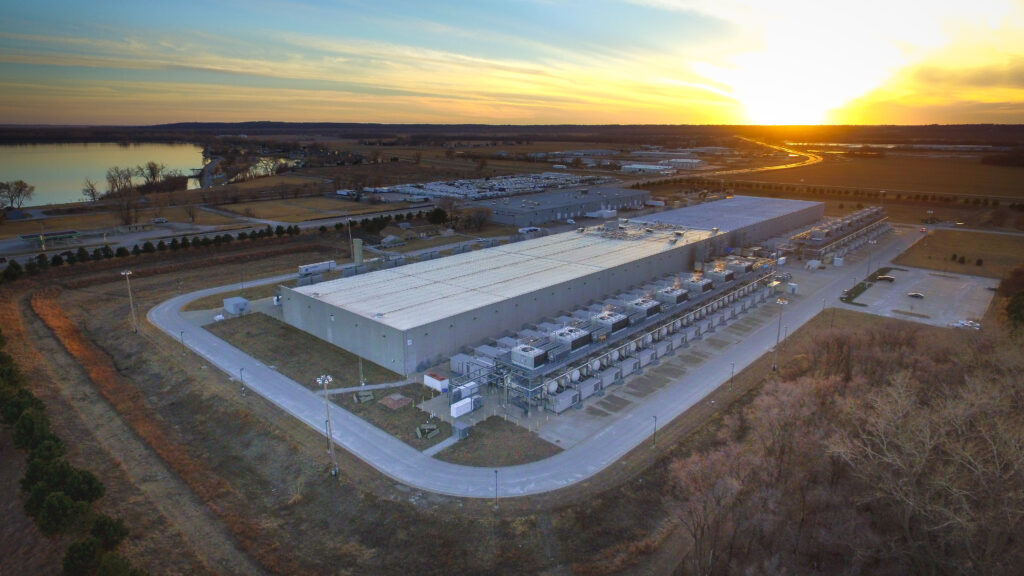
As president and CEO of the Florida State Hispanic Chamber of Commerce, expanding job opportunities for Florida’s Hispanic residents is a core part of my mission. Data centers can bring hundreds of high-quality jobs to our communities across our state, generating significant construction activity and providing work for electricians, engineers, local suppliers and a wide range of small businesses. Once operational, they support long-term careers in cybersecurity, technical operations and facility management.
These are well-paid positions that will help us attract skilled workers from around the country, as well as retaining the wealth of local talent we already have. The associated capital investment will strengthen the local tax bases and provide funding for schools, public safety and community services without increasing burdens on existing residents.
As Florida attracts more high-value data center projects, it is essential that our energy planning keeps pace with the industries driving that growth. Across the country, major technology operators are beginning to bring their own generation or fund the infrastructure needed to support their facilities. This ensures new load is matched with new supply, providing an opportunity to expand reliable capacity while protecting families and small businesses from rate increases.
A recent article in RealClear Energy underscores this point. States that planned well and required data centers to fund their share of grid upgrades have seen improved reliability and stable prices, even as demand increased. In Georgia, for example, data center development helped the state maintain a rate freeze.
Other states are exploring special rate structures, coordinated planning, and AI-driven response tools that allow data centers to reduce consumption during peak periods. Examples of these states show that economic development and responsible energy policy can work together. In some cases, as the Washington Post recently found, data centers actually lowered electricity costs in their communities.
Our state is already emerging as a strong destination for high-tech industries and President Donald Trump has made it clear that America needs to lead the world in AI and advanced manufacturing. Florida can be a leader in that effort by supporting projects that come with their own generation or infrastructure plans and by working with utilities to ensure growth does not fall on the shoulders of existing ratepayers.
This is the moment to shape the next phase of American innovation while protecting ratepayers, supporting communities and building the foundation for long-term economic competitiveness. By encouraging private investment in digital and physical infrastructure in the forms of data centers and the energy systems that support them, we can strengthen our grid, create durable jobs and position Florida as a leading destination for high-tech innovation and a leader in the rapidly growing AI economy.
Julio Fuentes is president and CEO of the Florida State Hispanic Chamber of Commerce and a board member for the Consumer Energy Alliance. This opinion piece was originally published by the Tallahassee Democrat, which is a media partner of The Invading Sea. Banner photo: Data center server racks (iStock image).
Sign up for The Invading Sea newsletter by visiting here. To support The Invading Sea, click here to make a donation. If you are interested in submitting an opinion piece to The Invading Sea, email Editor Nathan Crabbe.
