


By Cara Capp, National Parks Conservation Association
If you get out on the trail at Everglades National Park on a bright, sunny day, you can see massive alligators lazily basking in the sun. You can see magnificent waterbirds dive for their lunch, wings stretched wide as they glide over the surface of the glimmering River of Grass.
If you strap on a snorkel mask and dip beneath the waves offshore along the Florida Reef Tract, you can see beautiful coral reefs teeming with life. It’s an underwater mosaic awash in vivid green and blue, where you can catch a glimpse of sea turtles and colorful anemones.
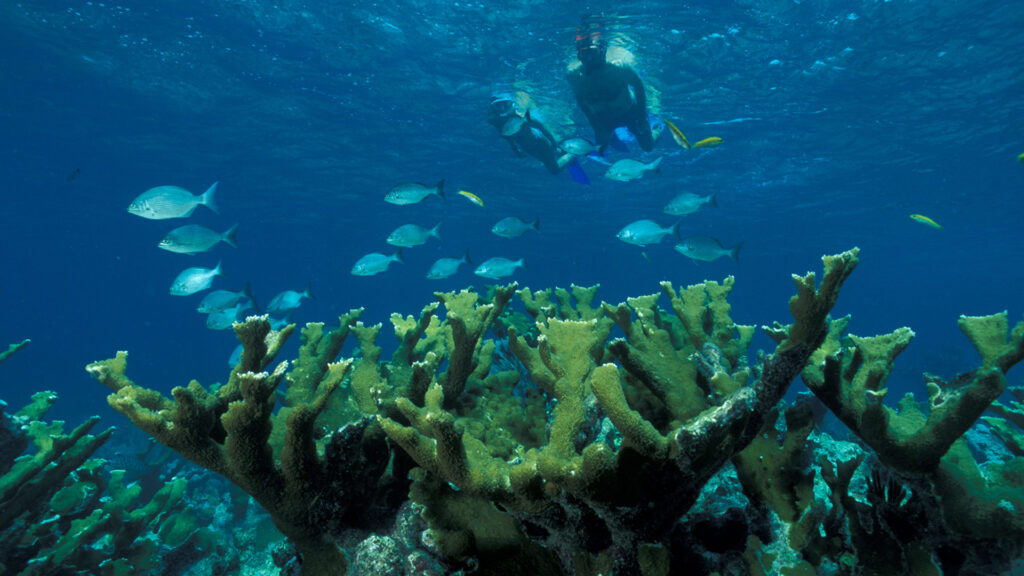
What do these amazing experiences have in common? They are found in Florida’s iconic national parks. And without clean water, you wouldn’t be able to experience them at all.
So why does the federal government want to open up our waters for offshore drilling, an about-face decision that could cause tremendous damage to the national parks we all know and love?
For years, leaders in Florida’s congressional delegation, in the governor’s office and in the Oval Office have stood in rare bipartisan lockstep on two key issues: opposing offshore oil drilling in our state and restoring America’s Everglades.
In 2018, President Donald Trump himself reversed an offshore drilling plan that would have threatened Everglades restoration and Florida’s unique national parks — like Everglades National Park, which encompasses not only vast wetlands but also extensive marine areas and estuaries. Not long after that, the president requested a record-breaking $250 million in federal funding for Everglades restoration.
Working together, the state of Florida and Congress have invested billions of dollars to restore clean water flow to the Everglades ecosystem, including Everglades National Park and lands of the Miccosukee Tribe of Indians of Florida and Seminole Tribe of Florida.
Fast forward to now. The second Trump administration is not only proposing offshore oil drilling that could have devastating impacts to our national parks and Everglades restoration; it is also seeking to limit public comment and environmental review, forcing the plan through without listening to the bipartisan outcry from constituents, Gov. Ron DeSantis and members of Congress.
What changed? It’s certainly not Floridians’ attitudes toward offshore drilling. Polling conducted by the National Parks Conservation Association and Florida Atlantic University in 2024 found that 89% of Floridians from all political parties value the conservation of Florida’s natural resources as our state grows, in order to ensure future generations can enjoy our state’s natural beauty. The decision to re-open Florida’s waters to oil drilling is a huge step in the wrong direction.
The risks haven’t changed either. Protecting our water resources and national parks is key to our economy, community health and lifestyle as Floridians. Offshore oil drilling carries the risk of spills, as well as noise and light pollution, wildlife impacts, infrastructure and traffic expansion that could undermine decades of work to restore clean water to the Everglades and Florida’s estuary communities.
Freshwater from the Greater Everglades ecosystem flows into Florida Bay, where it meets the Atlantic Ocean and Gulf of Mexico.
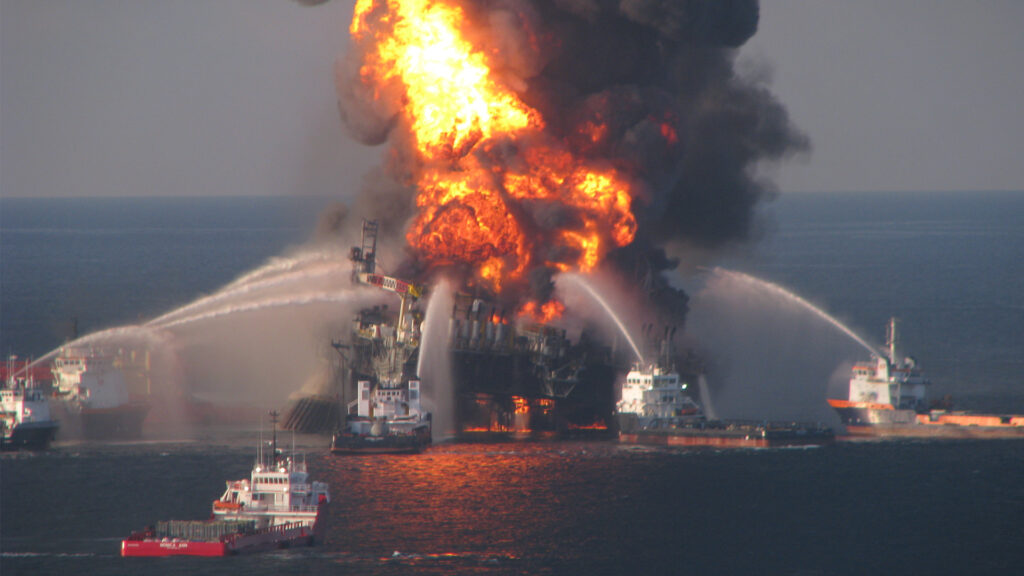
The risks to our national parks, Everglades restoration and clean drinking water for millions of Floridians are not theoretical. After all, the Deepwater Horizon disaster, which remains the worst oil spill in U.S. history, dealt a devastating blow to the Gulf. It cost taxpayers over $15 billion in cleanup and economic damages — and the Gulf is still suffering today. That’s not the future we want for South Florida.
Florida’s bipartisan commitment to protecting our parks and waters from offshore drilling also remains unchanged. I commend our senators, Rick Scott and Ashley Moody, who not only oppose the administration’s offshore plan, but have introduced legislation to keep the moratorium on offshore drilling in place.
Here in Florida, we have not changed our mind about offshore drilling. The president has. It’s not too late for him to change it again. President Trump and his administration must listen to Florida’s leaders, withdraw this ill-conceived offshore plan and re-commit to a moratorium that protects our national parks, Florida economies and America’s Everglades from drilling.
Cara Capp is the Greater Everglades Associate Director for the National Parks Conservation Association and a distinguished alumna of Florida Atlantic University. She lives in Boca Raton. This opinion piece was originally published by the Miami Herald, which is a media partner of The Invading Sea. Banner photo: Wildlife in the Everglades (iStock image).
Sign up for The Invading Sea newsletter by visiting here. To support The Invading Sea, click here to make a donation. If you are interested in submitting an opinion piece to The Invading Sea, email Editor Nathan Crabbe.
