


By Iuliia Istratiy
When Floridians think about water pollution, many picture visible problems like red tide blooms, dead fish or closed beaches. But some of the most serious threats to Florida’s water quality are far less visible — and far more constant.
One of those threats comes from aging septic systems.
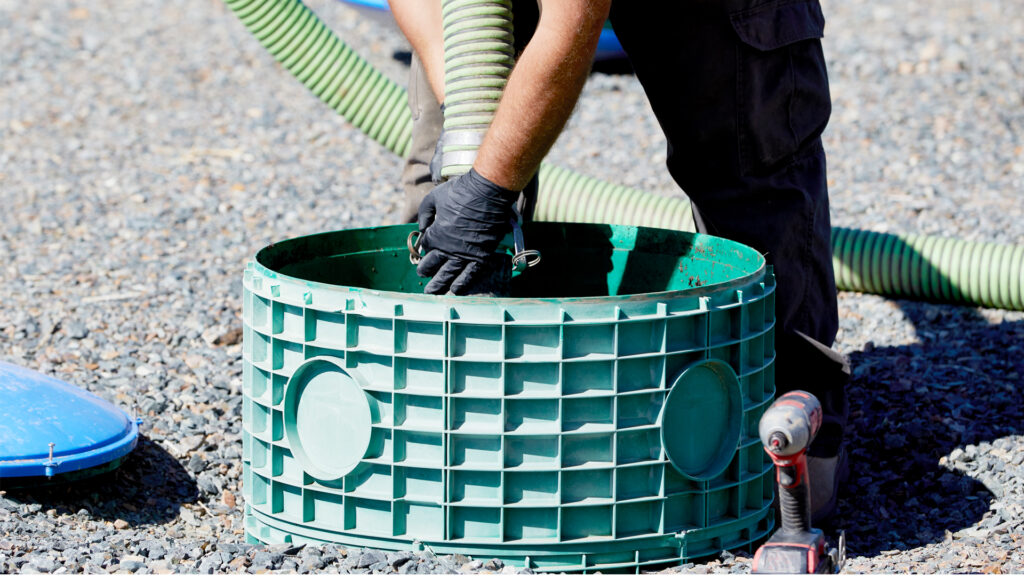
Florida has more than 2 million septic systems, one of the highest numbers in the country. Many of them were installed decades ago, long before today’s environmental standards and rapid population growth. While septic systems are often seen as a private household issue, taken together, they have become a major public and environmental concern.
Most septic systems were never designed to remove nitrogen, a nutrient that fuels algae growth. Over time, wastewater from these systems can seep into groundwater and nearby canals, rivers and coastal waters. In Florida, where the water table is shallow and the ground is highly porous, pollution can travel quickly and spread over large areas.
The impact on the environment is significant. Excess nitrogen feeds algae, reduces oxygen levels in water and damages freshwater and coastal ecosystems. While red tide events in the Gulf of Mexico often attract public attention, nutrient pollution from septic systems quietly makes these blooms more frequent and harder to control.
The effects go beyond environmental damage. Poor water quality threatens tourism, fishing industries and property values. It can also affect public health when polluted water reaches drinking water sources or recreational areas used by residents and visitors.
Climate change adds another layer of risk. Rising sea levels and stronger storms increase flooding, which can overwhelm aging septic systems. In coastal and low-lying communities, untreated wastewater is more likely to escape into surrounding waterways. For many areas in Florida, this is no longer a future concern — it is already happening.
Florida has taken steps to address water quality problems, but progress in upgrading outdated septic systems has been slow and uneven. Replacing old systems or connecting homes to sewer lines can be expensive, yet the cost of doing nothing continues to grow. Environmental damage, health risks and economic losses place a much heavier burden on communities over time.

Solving this problem will require coordinated action. State and local governments need to prioritize funding for septic-to-sewer conversions in the most vulnerable areas, improve maintenance and inspection requirements, and help homeowners manage the cost of necessary upgrades. Public awareness also plays a key role. When people understand how individual septic systems affect shared water resources, the issue becomes a matter of collective responsibility.
Florida’s water challenges did not appear overnight, and they will not be solved with quick fixes. Protecting the state’s rivers, lakes and coastal waters requires long-term planning, science-based decisions and a willingness to address pollution sources that are easy to overlook.
Septic systems may operate out of sight, but their impact on Florida’s water quality is becoming impossible to ignore. Addressing this quiet crisis is essential to protecting public health, the environment and the economic future of the state.
Iuliia Istratiy is a Boca Raton resident and environmental scientist. This opinion piece was originally published by the Sun Sentinel, which is a media partner of The Invading Sea. Banner photo: An algae-covered pond (Dwight Burdette, CC BY 3.0, via Wikimedia Commons).
Sign up for The Invading Sea newsletter by visiting here. To support The Invading Sea, click here to make a donation. If you are interested in submitting an opinion piece to The Invading Sea, email Editor Nathan Crabbe.

Good article but it should have included advanced treatment nitrogen reducing septic systems as part of the solution mix. They reduce up to 80% of Total Nitrogen the same as large central wastewater treatment plants.
This is a sobering look at a hidden threat. I hadn’t realized Florida had over two million septic systems, many of them quite old. What progress is actually being made in incentivizing homeowners to upgrade these systems before they become major pollution contributors?
I agree with Bob’s comment. The article skips over that the ‘uneven’ address of this issue is sometimes prioritization. The Indian River Lagoon in Brevard County prioritizes septic system replacement nearest the Lagoon first. Incentives/rebates from FDEP for properties near impacted waterbodies are available to replace old tanks with enhanced nutrient-reducing systems or hooking up to sewer treatment systems if it is more cost efficient for the homeowner.