


By Sean Parks, Lake County commissioner
Floridians are a practical bunch. We’ll argue about barbecue, college football and whether “cold” starts at 60 degrees. But most of us agree on one basic principle: If a community is going to change forever, the people who live in it should have a say.
That’s local decision-making. And it’s exactly what two bills moving through Tallahassee, HB 299 and SB 354, known as the “Blue Ribbon Projects” bills, would quietly and quickly strip away.
If you think growth already feels out of control, just wait. These bills create a fast track for massive developments — 10,000 acres or more — to bypass local comprehensive plans, zoning and land development rules. In plain terms, they let the biggest, best-funded developers ignore the rules communities create to manage growth.
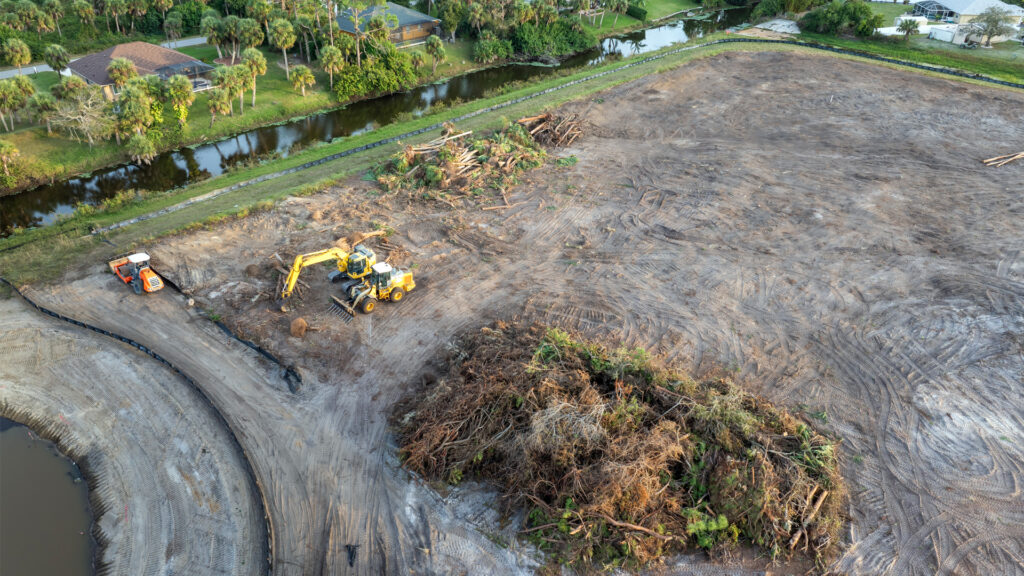
And make no mistake about who benefits. These proposals are backed and bankrolled by out-of-state interests, including New York hedge funds, seeking to fundamentally remake vast tracts of Florida without playing by local rules or paying the full costs of growth. The people who live nearby are left with the traffic, the crowded schools, the strained water systems and the bill.
This isn’t about politicians, it’s about people.
Local planning and local elections are the only meaningful way voters shape the future of the places they live. Public hearings, comprehensive plans, zoning rules, concurrency requirements — these are the tools ordinary people use to say where growth belongs, what should be protected and how development pays its own way.
These bills don’t just override local plans, they move decision-making power from Florida communities to New York hedge funds with no stake in the aftermath.
In fast-growing places like Lake County, planning is the difference between growth that respects our natural resources, agricultural economy and the Florida Wildlife Corridor — and growth that treats roads as an afterthought and waterways as someone else’s problem. When the state declares those local plans optional for the largest projects, it doesn’t make the impacts disappear. It just dumps them back on local families and commuters.
Anyone who’s lived through rapid growth knows what comes next. Traffic that never quite gets fixed, neighborhoods built faster than fire and EMS can keep up, stormwater systems pushed past capacity and water resources strained beyond what local plans ever anticipated.
Supporters of these bills point to conservation set-asides and long-range planning language in the “Blue Ribbon” framework. Those goals sound fine on paper. But praising community input while installing a trap door beneath it is what it sounds like — a trick. If the biggest developments get exemptions from the very rules meant to manage growth, Floridians’ quality-of-life and the character of our communities will be forever harmed.
This same problem shows up in the property tax debate. Everyone wants affordability. But eliminating or phasing out local revenue without a real replacement doesn’t make costs vanish, it just shifts them. Property taxes fund sheriff’s deputies, fire rescue, EMS, drainage and the infrastructure that makes growth livable. In growing counties, those aren’t theoretical concerns. They show up every time a new call goes unanswered or a flooded road stays flooded.
There’s a deeper problem at work. Tallahassee moves fast. Headlines move faster. Big ideas become talking points, then bills, then votes — often before communities can model the impacts or propose smarter alternatives. Florida isn’t one place. Lake County isn’t Miami. The Panhandle isn’t Orlando. A barrier island isn’t a rural crossroads. Growth policy that ignores those differences isn’t a “blue ribbon,” it’s a red flag.
There’s a better path. Lawmakers should invest in infrastructure, fund water projects and conservation, reduce unfunded mandates, and reward communities that plan responsibly and make development pay its own way. But don’t turn local plans into decorative paperweights.
Florida’s future shouldn’t be dictated by Wall Street hedge funds chasing returns. It should be shaped by the people who live here, raise families here and will still be here long after the ribbon-cutting photos are forgotten.
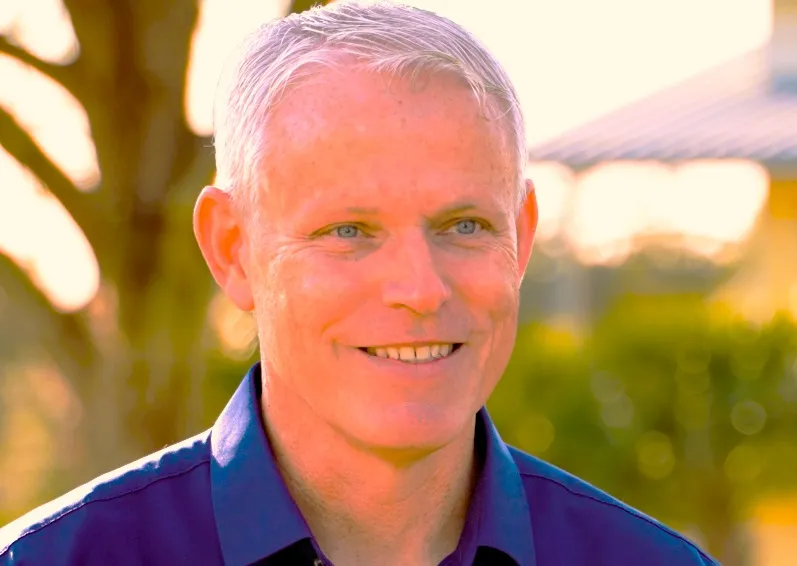
Sean Parks represents District 2 on the Lake County Board of County Commissioners. This opinion piece was originally published by the Orlando Sentinel, which is a media partner of The Invading Sea. Banner photo: Development in Florida (iStock image).
Sign up for The Invading Sea newsletter by visiting here. To support The Invading Sea, click here to make a donation. If you are interested in submitting an opinion piece to The Invading Sea, email Editor Nathan Crabbe.
