


By Bill Johnson, Florida Solar Energy Industry Association
In Florida, hurricane season doesn’t sneak up on us. We know when it starts. We know the forecasts will change fast. And we know that when the power goes out, it can stay out for days, sometimes weeks.
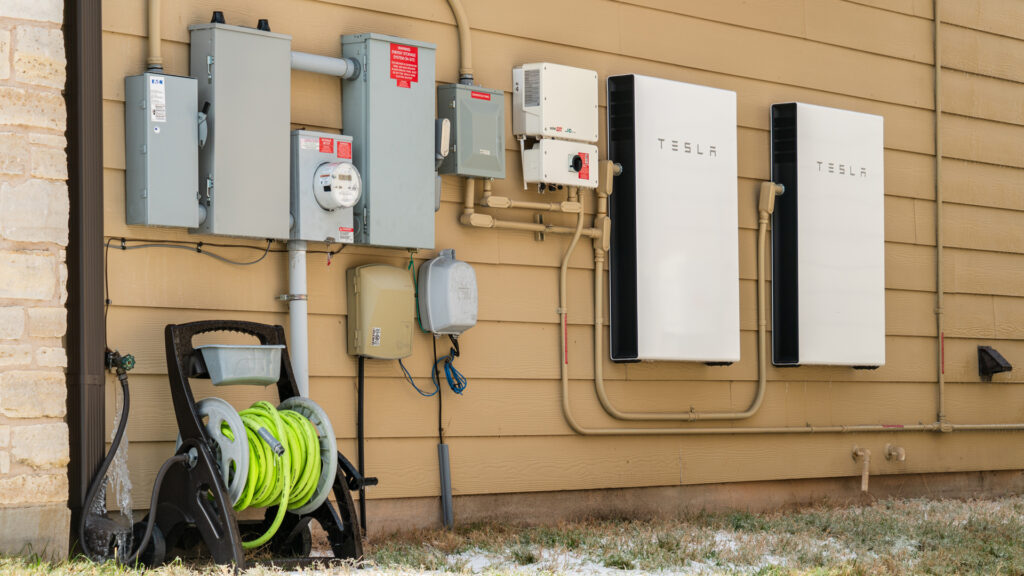
Every year, families, seniors, small businesses and critical facilities try to take responsible steps to protect themselves before storm season. One of the most basic is installing backup power.
Yet under current permitting timelines, Floridians can wait four to six weeks, sometimes longer, just to receive approval. By the time the permit is issued, the storm forecast has already changed, or worse, the power has already gone out.
That delay isn’t just frustrating. It’s dangerous.
Ask anyone who lived through Irma, Ian or Idalia what losing power really means. It’s not just dark houses and spoiled food. It’s seniors in the heat. Families throwing out medications. Small businesses unable to reopen. Neighborhoods going silent while everyone waits for the grid to come back online.
Backup generators and battery systems aren’t a luxury in Florida. They’re part of storm preparedness, just like shutters, sandbags and evacuation plans. Yet despite a long track record of safety, our permitting system often treats backup power systems with fear and trepidation, subjecting them to exhaustive scrutiny, slowing installations with paperwork and timelines that don’t reflect the urgency of hurricane preparedness.
House Bill 803 by Rep. Dana Trabulsy, R-Fort Pierce, would change that by streamlining permits for backup power installations ahead of storms. It doesn’t waive inspections. It doesn’t compromise electrical or fire safety. System designs and plans must still be approved by a state-licensed professional engineer. It doesn’t cut corners; it simply cuts unnecessary delays so people who are trying to prepare aren’t punished for acting responsibly.
Florida already asks residents to do their part when storms approach: secure their homes, stock supplies, follow evacuation orders. The government should meet that responsibility by clearing obvious obstacles to preparedness, not by creating new ones.
This is especially important for vulnerable Floridians. Many residents rely on powered medical equipment. Others can’t easily evacuate or relocate when outages stretch on. Faster permitting means more homes and businesses are able to keep the lights on, reduce emergency calls, and ease pressure on first responders after landfall.
Streamlining permitting ahead of hurricane season is a practical, nonpartisan solution. It recognizes that preparation saves lives, reduces strain on emergency responders and speeds recovery when storms inevitably hit. Every day shaved off the permitting timeline is a day gained in readiness.
The storms won’t wait. Neither should we.
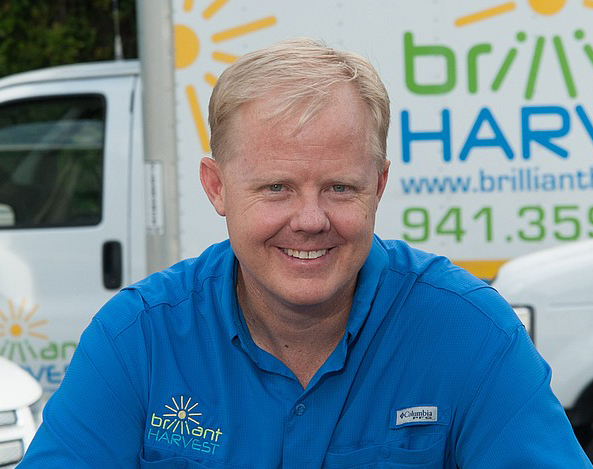
Bill Johnson is the president of Brilliant Harvest, LLC, a state-licensed solar and battery backup contractor based in Sarasota. He is also the current president of FlaSEIA, the Florida Solar Energy Industry Association, which represents over 15,000 solar workers across Florida. This opinion piece was originally published by the Tampa Bay Times, which is a media partner of The Invading Sea. Banner photo: An electrician installing a transfer panel for a backup generator at a home (iStock image).
Sign up for The Invading Sea newsletter by visiting here. To support The Invading Sea, click here to make a donation. If you are interested in submitting an opinion piece to The Invading Sea, email Editor Nathan Crabbe.
