


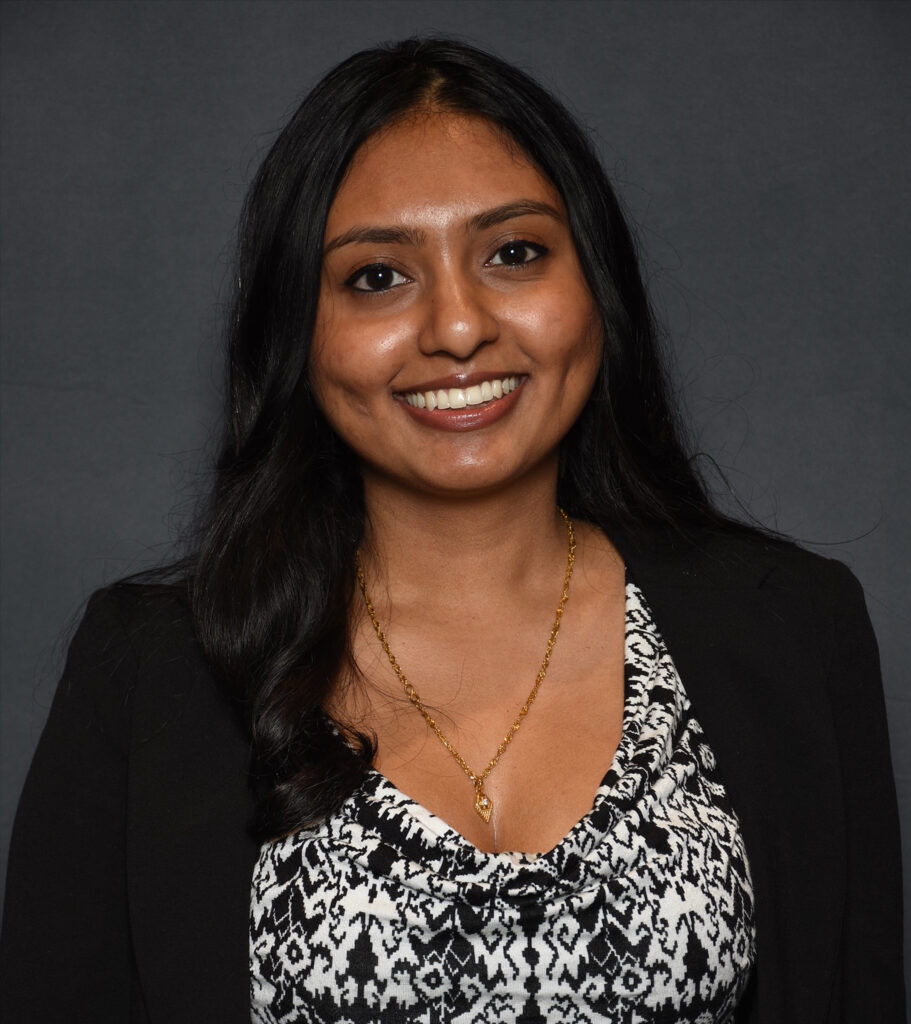
By Sheena Mathai, Florida Clinicians for Climate Action
When a hurricane makes landfall or a heat wave pushes temperatures past safe limits, the first people to feel the consequences are often those carrying new life. Pregnant and postpartum women are more susceptible to dehydration, heat exhaustion, hypertension and preterm labor during extreme weather events.
For these women, climate change is not just an environmental issue, but a matter of survival. As weather becomes more extreme, many families lack the information and resources necessary to protect themselves. On the front lines of this challenge are community health workers and doulas who are bridging the gap between climate education and maternal care.
One of these leaders is Shantai Young, a licensed clinical social worker, clinical program manager and doula who has worked in the maternal and child health space for the past 15 years with the Jasmine Project. As a member of the Doula Climate Health Outreach Team (Doula C-HOT), Shantai works to help pregnant and postpartum families prepare for climate-related health risks and disasters. Here, I sat down with Shantai to discuss the impact of being part of this team.
You mentioned that you have been working in the maternal and child health space for 15 years but began working as a doula three years ago. What initially drew you to this work?
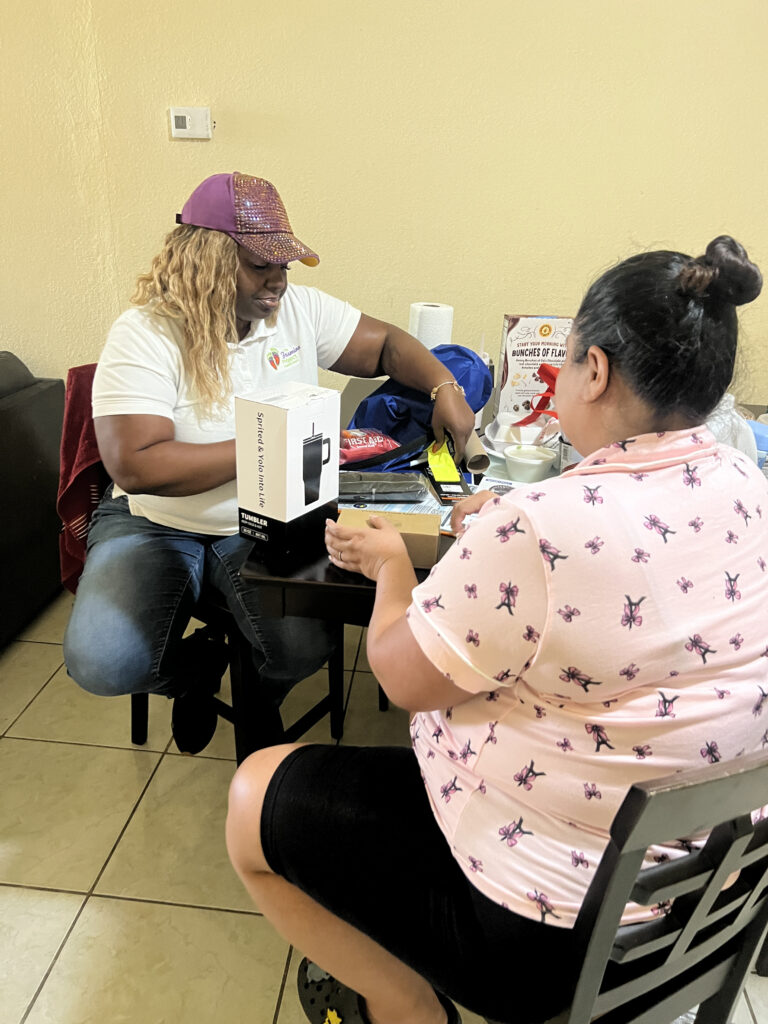
A lot of it came from my own lived experience. I was a teen mom, and although I had a supportive family, I didn’t know what a doula was until I had my youngest daughter. I struggled with breastfeeding and couldn’t get the support I needed in the hospital. A friend suggested I get a doula, and that’s when I realized how powerful that role could be.
Over time, my staff and colleagues kept telling me, “You’re already doing this advocacy work, why not get trained?” That’s when I decided to formally become a doula.
What really motivates me is that so many families don’t know their rights or feel empowered in health care settings. They think whatever is said to them is law, even if it doesn’t feel right. Being a doula means helping people understand their autonomy and making sure their voices are heard.
It sounds like advocacy and education were already central to your work, even prior to becoming a doula. How did that passion eventually lead you to become involved in the Doula C-HOT program?
I took the training in early summer, around June or July 2025. I first met Dr. Cheryl Holder when she presented to our Community Action Network at the Jasmine Project. She later connected with us about sharing climate and disaster preparedness information with our families. My team and I took the training, and it was incredibly valuable.
What attracted me most in joining the program was that this added another layer of support for families, support they didn’t even realize they needed. Many of them didn’t recognize how unprepared they were for disasters like hurricanes or flooding until we walked through it together. The program gave them tools and knowledge to start preparing, which was powerful.
It seems like many of the issues you discussed with families were things that they had never really thought of before. Once you began having these conversations, what climate-related health concerns came up most often?
Honestly, most of them didn’t even know what to ask at first. Climate change wasn’t something they connected to their health. Once we talked about it, I would ask simple but important questions like, “How much water are you drinking?” or “Are you wearing clothing that helps keep you cool?”
We also talked about how certain medications can make people more vulnerable to heat exhaustion. I always encouraged them to ask their doctors whether their medications increased their risk. Once families had this information, they were able to ask better questions to their doctors and advocate for themselves. They didn’t realize how much heat and climate stress could affect their pregnancy and overall health.
Despite these logistical hurdles, once these conversations began, how receptive were families to speaking about climate change? Was there any sort of hesitation or pushback when discussing this topic?
Clients were actually very receptive to speaking about climate change. The main hesitation was around being asked personal questions, especially about finances – like whether they could borrow $60 in an emergency. Some families worried about where that information was going. Once I explained that everything was de-identified, they felt more comfortable. Overall, people really appreciated the information.
I know you have been able to speak with many families so far and provide them with critical information and resources. What parts of the program have been most impactful for families?
The biggest impact was realizing they weren’t prepared and that they easily could be. Families learned simple but powerful strategies like keeping emergency food in the car, having backpacks ready for each family member, storing documents safely, and keeping medication lists and emergency contacts written down.
Some families didn’t even have their children’s birth certificates. We taught them how to get replacements and why it matters during emergencies. We also showed them how to store copies securely on their phones with an app. Seeing families realize, “I actually have options and I can do this,” was incredibly rewarding.
You’ve clearly been able to see the impact this program has made directly in the home of your clients. Is there a particular moment from this project that really stayed with you?
I was helping a mom go through her emergency kit while her kids were in the room watching TV. One of her sons, who was about 5 or 6, quietly went and got two backpacks and came back ready to pack one for himself and his sister. He had been listening to our conversation the whole time.
He wanted to pack snacks, clothes and a favorite toy. It was great to see him understand the idea of an emergency and want to be prepared too. It reminded me that kids are always paying attention and when we include them, they become part of the solution.
After witnessing moments like this, what is your final take-home message about the broader importance of this work for communities?
Everyone needs to be prepared, not just pregnant women. Kids, teenagers, elderly people and whole families. This kind of education should be shared widely. It gives people skills they’ll carry into adulthood. You never know when an emergency will happen, but being prepared can make all the difference.
Sheena Mathai is a fourth-year medical student who is a Climate Health Outreach Team Educator for Florida Clinicians for Climate Action. Banner photo: A silhouette of a pregnant woman outdoors (iStock image).
Sign up for The Invading Sea newsletter by visiting here. To support The Invading Sea, click here to make a donation. If you are interested in submitting an opinion piece to The Invading Sea, email Editor Nathan Crabbe.

Why are pregnant and postpartum women especially vulnerable during extreme weather events like hurricanes and heat waves?