


By Steve Adelstein, Eco World Water
Spring break is here. For millions of travelers, spring break means an annual journey to the water. Soon, cruise ships will once again fill ports across Florida and beyond.
For many families, the gleaming cruise ships offer an effortless and luxurious option for exploring the ocean. But beneath the promise of relaxation lies an uncomfortable truth. Too many ships still struggle to properly manage wastewater, placing fragile marine ecosystems at risk.
The cruise industry often markets itself as a steward of the seas. Yet wastewater discharges from ships cause concerns among coastal communities, environmental advocates and scientists alike. Graywater from showers and kitchens, sewage from onboard systems and industrial runoff can contain chemicals and contaminants that harm marine life and degrade water quality when not treated effectively.
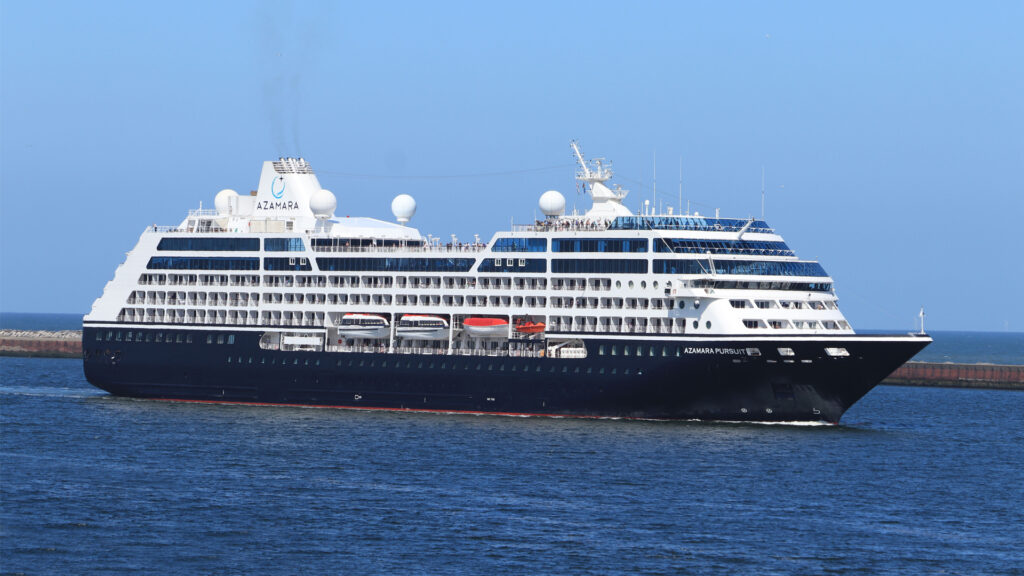
Technology exists to do better. The problem is not a lack of innovation. It is a lack of consistent adoption.
Outdated treatment systems are a problem on many cruise ships. And enforcement gaps mean ships can discharge wastewater under standards that fall short of what many communities expect on land. At a time when coastal economies depend on clean beaches and thriving reefs, that status quo for cruise ships no longer makes sense.
Spring break is a reminder of how much people value healthy oceans. Tourists travel thousands of miles to swim in clear water, snorkel among vibrant reefs and experience marine wildlife up close. Yet those same environments face increasing pressure from pollution that could be prevented through smarter water management practices.
The cruise industry has an opportunity to lead instead of lagging behind.
Modern water treatment solutions can significantly reduce nutrient loads, pathogens and harmful contaminants before wastewater ever reaches the ocean. Advanced filtration, disinfection and recycling technologies allow ships to operate more sustainably while protecting the destinations they rely on. Companies like Eco World Water and other innovators are demonstrating better practical solutions.
Investing in stronger wastewater treatment is not just an environmental decision. It is an economic one. Coastal tourism drives billions of dollars in revenue each year. When water quality declines, local businesses suffer first, from charter operators to restaurants and hotels. Protecting marine ecosystems helps ensure that cruise destinations remain vibrant and welcoming for future travelers.

Some industry leaders have already begun to make improvements, and those efforts deserve recognition. But more needs to be done. Cleaner oceans require consistent standards and a shared commitment across the entire fleet.
This spring break season offers a chance to rethink what responsible tourism looks like. Cruise ships should not be viewed as sources of pollution but as platforms for innovation. With the right investment in advanced water treatment and responsible discharge practices, the industry can help protect the very ecosystems that make cruising possible.
Healthy oceans are the foundation of coastal economies, wildlife habitats and countless memories made by travelers each year.
The technology exists. The demand from passengers is growing. Now is the moment for the cruise industry to raise the bar and prove that enjoying the ocean does not have to come at its expense.
Steve Adelstein is the executive chairman of Eco World Water. Banner photo: A cruise ship at Port Tampa Bay (iStock image).
Sign up for The Invading Sea newsletter by visiting here. To support The Invading Sea, click here to make a donation. If you are interested in submitting an opinion piece to The Invading Sea, email Editor Nathan Crabbe.
