


By Jorge Herrera, Nopetro Energy
South Florida faces a transportation challenge that affects the region’s economy, local businesses and daily life: the heavy reliance on diesel fuel for freight and public transportation. While progress has been made transitioning transit buses and solid waste vehicles to natural gas, diesel still powers the majority of the region’s freight trucks and many other essential vehicles, creating hidden costs, inefficiencies and operational hurdles.
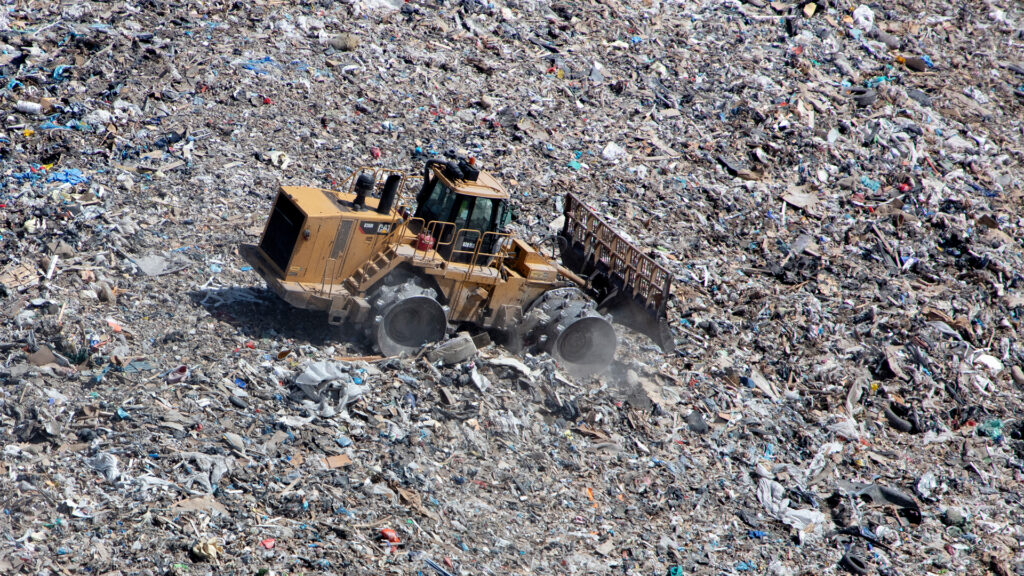
Yet, South Florida is also sitting on an overlooked resource that could power its transportation system and strengthen its economy: its own waste. The United States produces 268 million tons of trash each year, most of which ends up in landfills. But landfills are also the third-largest source of human-related methane emissions in the country, according to the U.S. Environmental Protection Agency.
Here’s the issue: Most of the methane is slipping away uncaptured, unutilized and unmonetized — a lost resource with untapped potential. But there is another path. Across the country, and right here in South Florida, cities are capturing methane from landfills and putting it to good use by converting it into renewable natural gas (RNG).
Once processed, RNG can power heavy-duty vehicles. This waste-to-fuel approach creates a circular system and turns a local liability into a local asset. It’s an economically smart shift.
For South Florida, the idea offers a variety of benefits. Investing in RNG infrastructure means creating jobs in construction, engineering and long-term operations. By producing fuel locally, South Florida could keep more dollars circulating in the local economy, supporting local businesses and workers.
For school districts, public agencies and freight operators, it can help stabilize fuel prices, reduce budget strain and avoid price shocks. At the same time, electrification is widely seen as a solution for passenger vehicles, but it is not a viable option for over-the-road trucks. RNG is a proven and scalable option for heavy-duty transportation that can keep goods moving without costly delays.
Nationally, the RNG industry has seen significant growth in recent years, experiencing a 400% increase from 2018 to 2023 — a significant step toward decarbonizing America’s economy. In Florida, Nopetro Energy, where I serve as CEO, currently operates RNG fueling facilities across the state, with more underway, including an RNG production plant in Vero Beach and another in development in Manatee County. This momentum reflects a broader trend across the U.S. to uncover practical ways to keep essential services reliable while also reducing emissions.
This marks an even larger opportunity for South Florida. The answer lies in establishing strategic public-private partnerships. Local governments can provide policy support and clear regulatory pathways, utilities can supply the infrastructure and distribution networks, and private innovators can bring technology and investment to the table. By bringing together leaders across the tri-county area, the region can accelerate RNG adoption and establish itself as a model for others to follow.
South Florida’s waste is one of our greatest assets. The choice is clear: Continue paying the price of diesel dependency or transform waste to create a more resilient, self-sufficient transportation system that uses local resources. By exploring options like RNG alongside other innovations, together we can fuel our economy and build a transportation system that turns yesterday’s trash into tomorrow’s treasure.
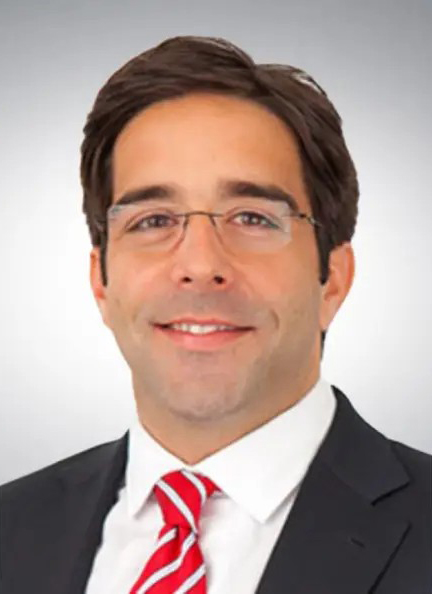
Jorge Herrera is CEO of Nopetro Energy, a Miami-based company that provides energy solutions including RNG for transportation and industrial sectors across the state. This opinion piece was originally published by the Sun Sentinel, which is a media partner of The Invading Sea. Banner photo: Trucks on a highway (iStock image).
Sign up for The Invading Sea newsletter by visiting here. To support The Invading Sea, click here to make a donation. If you are interested in submitting an opinion piece to The Invading Sea, email Editor Nathan Crabbe at ncrabbe@fau.edu.
