

How the US cut climate-changing emissions while its economy more than doubled
US emissions are down about 15% over the past 10 years, but new data centers have caused uncertainty ahead.


US emissions are down about 15% over the past 10 years, but new data centers have caused uncertainty ahead.

There have been some promising downward trends, but political winds and energy demands threaten progress.

Cities are capturing methane from landfills and converting it into renewable natural gas that can power heavy-duty vehicles.
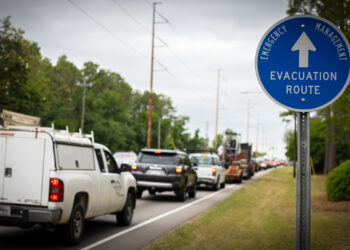
Improvements have happened since Hurricane Katrina, but the record is mixed in the effectiveness of emergency plans.
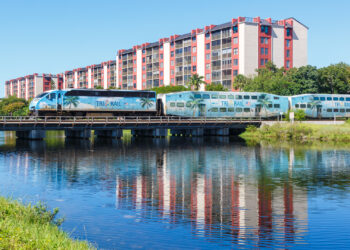
The Florida Department of Transportation is poised to cut Tri-Rail funding to $15 million annually from $62 million.
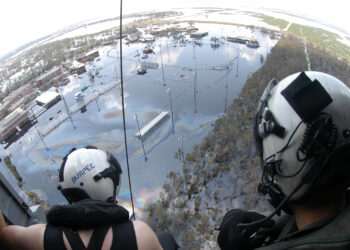
Lessons from Katrina stand out today as the Trump administration talks about dismantling FEMA.
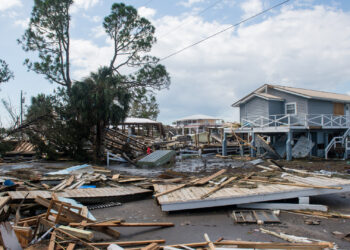
The potential damage from a hurricane reaches well beyond physical structures and property into financial instability.
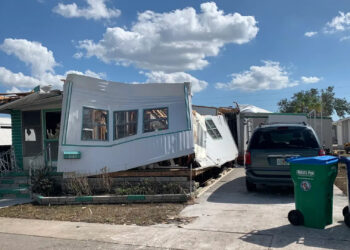
This story was originally published by Grist. Sign up for Grist's weekly newsletter here. By Ayurella Horn-Muller, Grist Joe Vargas ...

It’s time for Florida to take charge of reimagining a transportation system that is accessible, affordable and equitable.
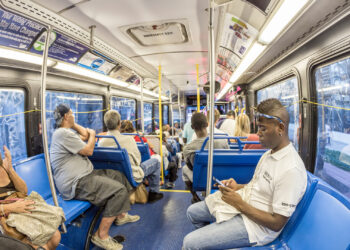
With bold investments in transit, we can rapidly cut emissions — and make life better for all of us.