


By Joe Murphy
My earliest memory is of sublime joy. I was barely a toddler, floating in the warm, salty waters of the Gulf as my parents taught me to swim. Exhilarated and terrified, I swam back and forth between them with all my might under the intense Florida sun.
In moments of calm repose and reflection I can almost feel the salt, warmth and love again. In my memory, there are no tar balls. There are no oil-covered sea turtles, poisoned dolphins or dead shorebirds.
My parents are essential to the power of that recollection, as is the Gulf. My grandfather taught me to fish in the Gulf. It has always been my home.
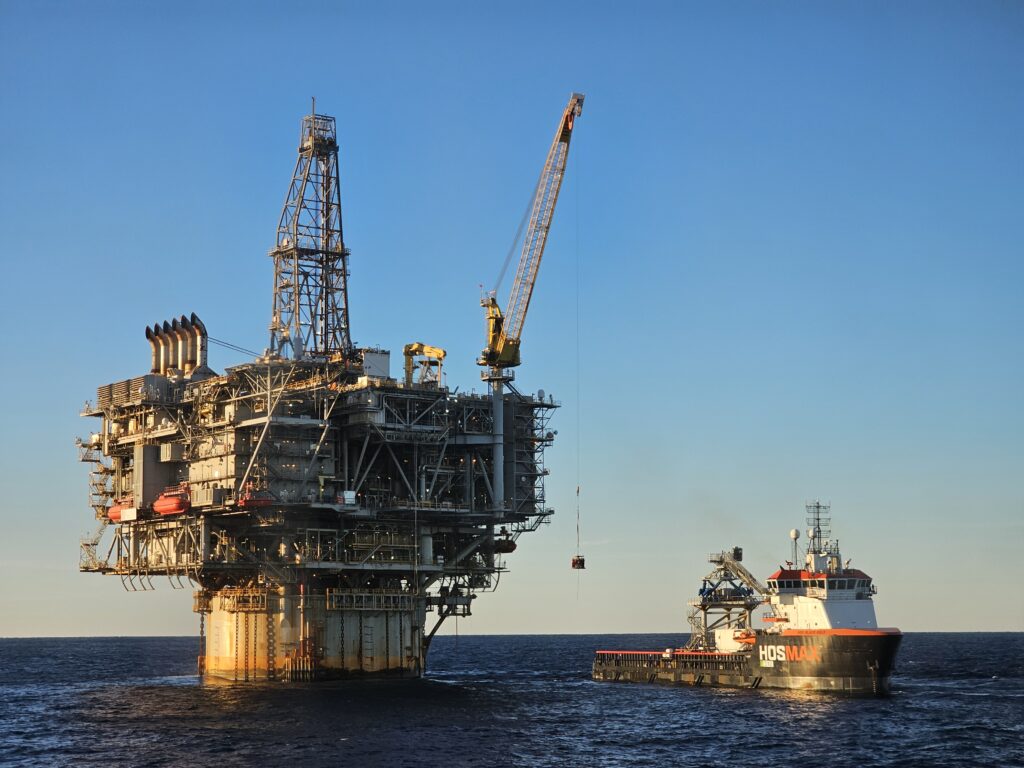
The eastern Gulf is facing new and profound threats from federal proposals to allow oil drilling significantly closer to the shores of Florida. Potential leases are proposed for just over 100 miles from Florida’s shores. The gates of Eden could soon be breached.
Those more eloquent or wise than I surely would remind you there are hundreds of reasons why this is a breathtakingly wrong and horrifying idea.
The threats to our tourist economy, the threats to our recreational and commercial fishing industry, the challenges our military would face logistically in areas currently used for essential training, and the added ecological damage caused to ecosystems already threatened by pollution and climate change are all excellent examples.
It is simply and profoundly unacceptable. Few ideas are as powerfully wrong.
The damage from oil spills and routine pollution pose a direct and chilling threat to what it means to be a Floridian. To our collective home.
We are defined by our connection to the ocean. Our sense of and connection to place is in great part grounded in our coastlines. They are already under threat from pollution, development and climate change. This could be the dagger to the heart that sets in motion loss we can scarcely imagine.
If you have lived in Florida long enough, you remember the Deepwater Horizon disaster. You remember the sickening feeling of hopelessness and dread day after day as oil gushed forth with no way to stop it. Communities along the Gulf Coast of Florida that saw no oil still suffered massive economic loss, just based on the perception that they might have been polluted.
It seems we have learned nothing from decades of spills, pollution, loss and degradation in the western and central Gulf resulting from oil drilling. A national energy policy, grounded in science and conservation, based in alternative and renewable energy, is a true long-term way forward. Drilling is yesterday’s plan with grim consequences for tomorrow.
I wish I could gather those determined to expand drilling in the waters we love and share with them places like Cedar Key, Boca Grande, Steinhatchee, Mexico Beach, Anna Maria, Apalachicola, Sanibel Island or Destin. Places both beautiful and resilient, places already facing threats from sea-level rise and climate change.

Many places are still recovering from massive recent hurricanes fueled by climate change. Oil drilling in the eastern Gulf could compound their risks.
Creating resilient, adaptive coastal communities that use nature-based solutions to offset climate change will only be harder if the negative impacts of oil drilling and oil spills weaken already fragile ecosystems and economies.
Proposals to expand oil drilling in the eastern Gulf demand powerful, passionate and profound opposition from us. Pandora’s Box, once opened, will haunt our descendants for generations if the oil industry creeps east and into places that define us. Into the very place we call home.
To learn more about federal proposals to allow new oil drilling in the eastern Gulf and to find out more about how to comment on these proposals, please visit https://bit.ly/offshoredrillingplans.
Joe Murphy is a native and lifelong Floridian who lives in the southern Nature Coast. Banner photo: An offshore drilling platform in the Gulf (iStock image).
Sign up for The Invading Sea newsletter by visiting here. To support The Invading Sea, click here to make a donation. If you are interested in submitting an opinion piece to The Invading Sea, email Editor Nathan Crabbe.
