


By Luke Heller
When was the last time you felt gratitude for serving others in need?
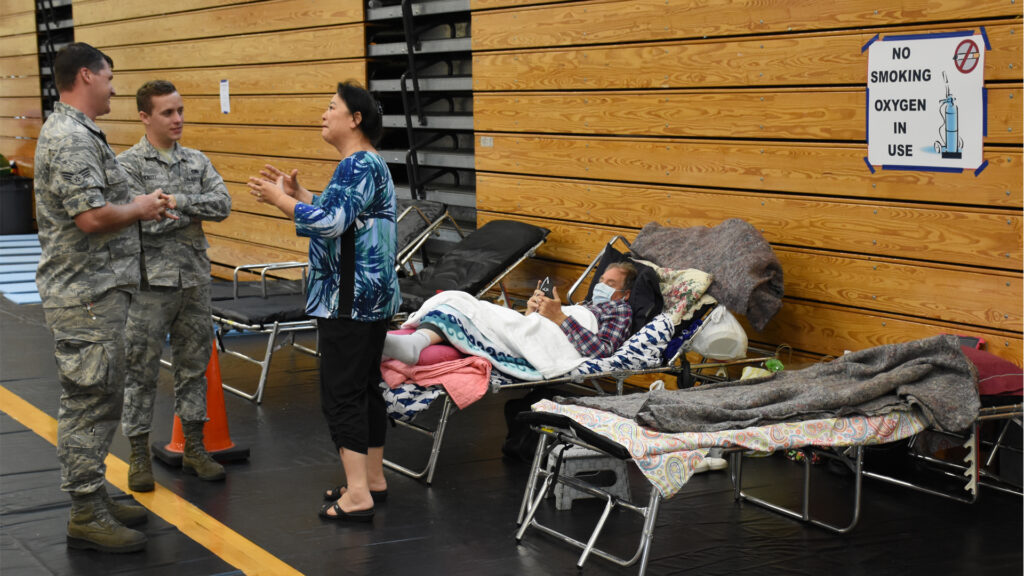
I recall Hurricane Irma racing across our state in 2017. At the time, I was in middle school. My parents noticed that I was bored because I couldn’t play video games due to the power outage in our area.
To cheer me up, they invited me to help deliver emergency supplies to evacuees from South Florida who were sheltering at Chiles High School – the school which is now my alma mater. We befriended two friends and their elderly dog at the school and allowed them to stay with us, and we remain in touch to this day. This experience sparked my interest in disaster response and urban planning and still resonates with me today.
Since then, the Big Bend has weathered multiple extreme weather events. I admire our community’s resilience, but hoping for the best will only get us so far. We need to make resources more accessible to those in need and make informed decisions about how we can reduce disruptions from natural disasters.
According to a 2024 study published in the journal Economics of Disasters and Climate Change, much of the Southeast, including Florida, is more vulnerable to natural disasters than the country as a whole. The Big Bend is no stranger to strong hurricanes, severe thunderstorms, tornadoes and heat waves.
The recovery process and processing times for insurance claims also need to be improved. Parts of Tallahassee are still recovering from last year’s tornado outbreak, as is Taylor County from hurricanes Idalia, Debby and Helene.
What is my solution, then? We need to have conversations and answer questions about how to build a better, more resilient future. What does resilience mean? Who will fund recovery from extreme weather events? Where are investments needed? What risks will we face in the future?
I implore you to answer these questions for yourself and discuss them with your neighbors, friends and families. I also encourage you to contact your elected officials at the local, state and federal level and offer your suggestions about how to improve extreme weather preparedness and recovery. You can look up your elected officials on your county website and the Florida House and Senate websites.
The Big Bend is one of Florida’s hidden gems and will always be valued for its serene natural areas, lower-than-average cost of living and its people. Although it may look different in the future, the Big Bend is here to stay.
When the storms have passed, the people of the Big Bend have always come together and led with compassion. Let’s harness this potential for good as we design a more resilient future.
Luke Heller is an alumnus of Chiles High School in Tallahassee and a current student at Dickinson College in Pennsylvania, where he is double majoring in quantitative economics and environmental studies with a focus on urban planning. Banner photo: The Florida Air National Guard clears roads in Taylor County after the landfall of Hurricane Helene (Staff Sgt. Jacob Hancock/The National Guard, CC BY 2.0, via flickr).
Sign up for The Invading Sea newsletter by visiting here. To support The Invading Sea, click here to make a donation. If you are interested in submitting an opinion piece to The Invading Sea, email Editor Nathan Crabbe.
