


By Steve Adelstein, Eco World Water
Florida is preparing for a wave of new data centers driven by surging demand for artificial intelligence and cloud computing. These facilities bring new jobs and investment, but they also come with infrastructure demands that require careful planning.
The enormous electric load data centers require is always top of mind. Less discussed are the major water resources needed. Large data centers often use hundreds of thousands of gallons of water each day for cooling purposes. This reality places new pressure on local water systems that are already stretched thin.
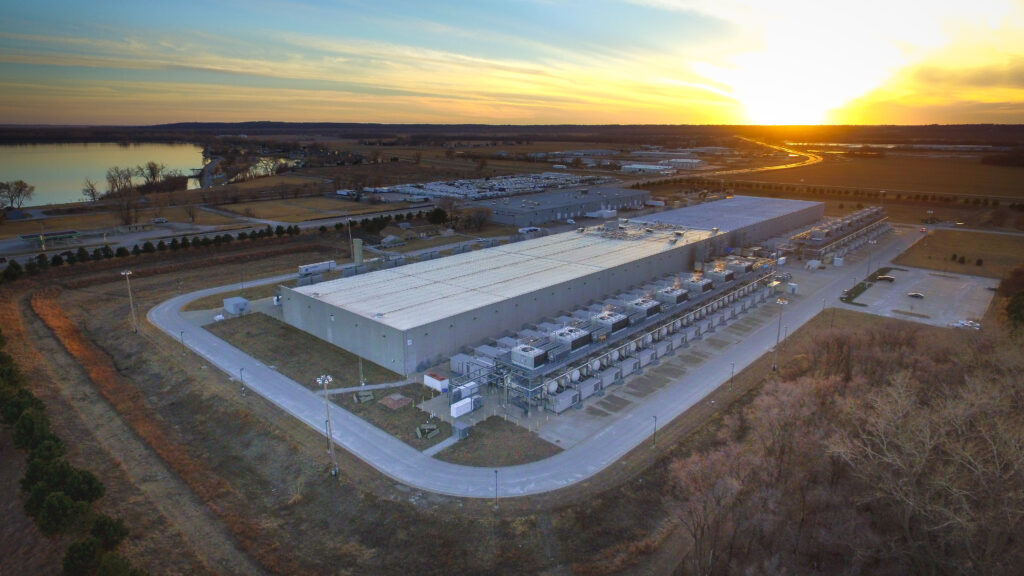
Other states offer cautionary examples. In Newton County, Georgia, a single data center now accounts for roughly 10% of the county’s daily water use. Regional planners have warned that without major investments in water reuse and supply upgrades, the region could face a water deficit within the decade. Residents living nearby have reported wells running dry and changes in water quality. Local governments are left scrambling to fund new infrastructure to keep pace with industrial demand.
Florida can learn from experiences like this and plan better.
The state’s choice does not need to be between economic growth and water security. But leaders do need to move beyond outdated models that rely on treated drinking water for industrial cooling. When large facilities draw from the same potable water supplies as households, utilities face rising costs and communities face long-term risk.
Across the country, companies and utilities are beginning to adopt alternative approaches that reduce reliance on drinking water altogether. Advanced wastewater treatment and reuse systems allow industrial facilities to meet cooling needs using non-potable sources. These alternate sources are often on-site or nearby and ease pressure on municipal systems and limit the need for costly expansions.
Eco World Water is one of several companies working to develop compact wastewater treatment systems capable of converting raw wastewater into water suitable for industrial reuse. This new technology reflects a broader shift toward decentralized, reuse-focused infrastructure to support growth without increasing competition for drinking water.
Florida’s fast-growing regions, including parts of Palm Beach, St. Lucie and Polk counties, are already being considered for new data center development. Decisions made now will determine whether these projects integrate responsibly into local water systems or create long-term challenges for residents and ratepayers.
Just as regulators are increasingly asking large electricity users to help cover the cost of new grid infrastructure, similar expectations should apply to water. Data centers with significant daily water demands should be required to minimize their footprint through modern treatment and reuse strategies rather than defaulting to potable water supplies.

Florida understands water vulnerability better than most. Saltwater intrusion, aging infrastructure and climate pressures make proactive planning essential. As AI and cloud computing reshape Florida’s economy, we cannot afford to treat high-volume water use as an afterthought.
Florida has an opportunity to lead.
We can make sustainable water management a cornerstone of responsible data center development. With a mix of smart policy, clear expectations and solutions already being deployed, the state can welcome innovation while safeguarding one of its most critical resources.
That is the kind of planning Florida needs to manage the opportunity coming to our state.
Steve Adelstein is the executive chairman of Eco World Water, based in Sebring. This opinion piece was originally published by the Orlando Sentinel, which is a media partner of The Invading Sea. Banner photo: Servers in a data center (BalticServers.com, CC BY-SA 3.0, via Wikimedia Commons).
Sign up for The Invading Sea newsletter by visiting here. To support The Invading Sea, click here to make a donation. If you are interested in submitting an opinion piece to The Invading Sea, email Editor Nathan Crabbe.
