


By Chef Stephen Phelps, Indigenous restaurant; and Megan Sorby, Pine Island Redfish
On Florida’s Gulf Coast, working waterfronts tell the story of communities built around fishing, seafood and a deep reliance on the ocean. But rising seafood demand, changing ocean conditions and mounting pressure on wild fisheries are forcing a new question: Will Florida continue to help shape the future of seafood?
Aquaculture offers an answer but only when developed carefully with strong environmental standards grounded in science and shaped by community input.
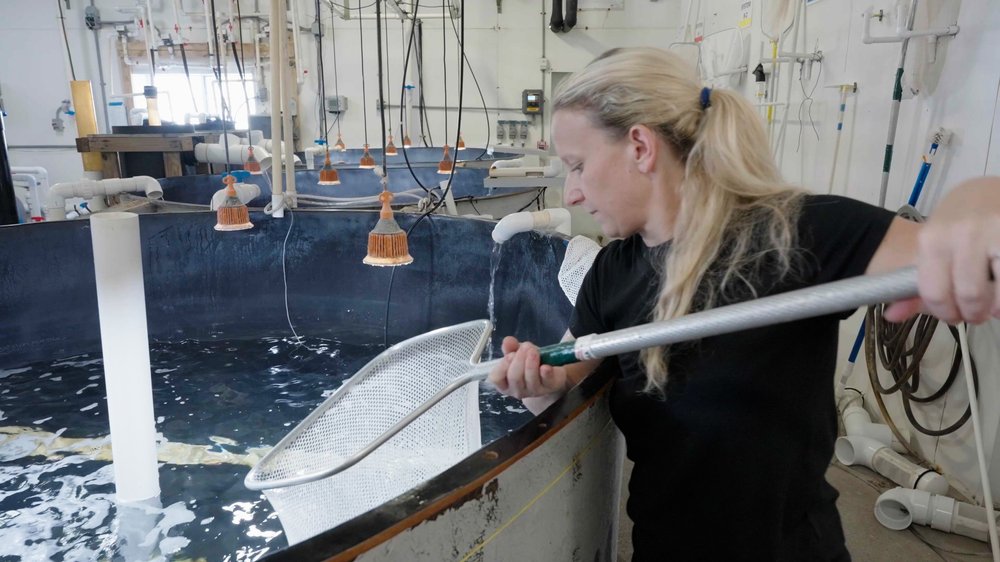
Introduced by bipartisan leaders, the Marine Aquaculture Research for America (MARA) Act offers a responsible path forward – one that prioritizes ocean health while supporting coastal economies. By establishing a research-driven framework for offshore aquaculture development and adding another tool in our toolbelts to address the rising seafood deficit, the bill builds on progress already underway in Florida and elsewhere.
The MARA Act ensures that growth happens only where it is environmentally appropriate and places heavy emphasis on science and data to determine that: understanding where, how and whether offshore aquaculture can expand while protecting ocean ecosystems. This is a similar approach to that being implemented by the leading aquaculture production countries around the world.
By prioritizing science-based demonstration projects, the MARA Act would generate the data needed to guide responsible decision-making. This approach is needed to build the same public trust that other aquaculture technologies have earned.
Recently, the Coalition for Sustainable Aquaculture (CSA), of which Chef Phelps is a member, joined the Stronger America Through Seafood Coalition (SATS) in a joint letter to Congress supporting the MARA Act. Signed by 140 representatives, including environmental advocates and marine researchers, the letter reflected not only growing demand for seafood but also increasing confidence in how aquaculture research is conducted.
We have witnessed firsthand how aquaculture can be developed responsibly, bringing much-needed transparency to our seafood supply chain. Responsible domestic aquaculture is already delivering some of the most beautiful, high-quality food – and with community engagement, education and support as pillars, it has more than demonstrated its value.
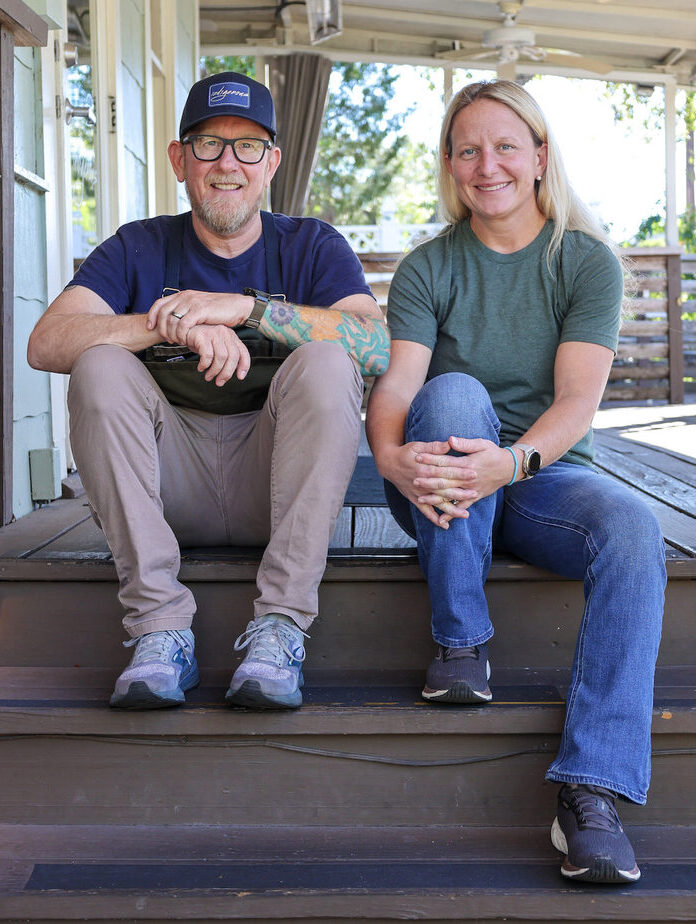
From the restaurant kitchen to environmental advocacy, aquaculture is already shaping menus; chefs are building intentional relationships with fishermen and farmers to support conversations with diners and stakeholders who want to know their food’s story.
Numerous success stories coupled with increasing demand for protein and steep goals of reducing the environmental footprint of food production should be driving us to explore all opportunities in increasing the presence of aquaculture. Why wouldn’t we give ourselves every tool to be able to serve these seafood shortages we face? But we recognize that any solution to food security must also strengthen marine ecosystems.
The MARA Act meets that standard. For Florida, the benefits of aquaculture are significant. Responsible aquaculture is already reducing reliance on seafood imports, supporting working waterfronts and providing a reliable source of shellfish and finfish in near-shore and land-based systems.
This access to fresh, traceable seafood produced with environmental safeguards in place has added to and diversified the seafood legacy that feeds Floridians and drives visitors by the millions to the state each year. By offering a pathway for more aquaculture technologies to be implemented, we open ourselves to additional food production and better seafood security.
Our relationship with the ocean will always require balance. As much as 50% of the global population lives in the coastal zone, a number that is only increasing. Providing a pathway for coastal resilience and food security is imperative to survival. Food production is infrastructure, and aquaculture is part of the future food infrastructure.
Passing the MARA Act would allow our coastal communities to continue shaping responsible seafood – protecting ocean health, sustaining working waterfronts and ensuring the ocean continues to provide for generations to come.
Stephen Phelps is an award-winning chef and previous semifinalist for James Beard Foundation Best Chef South who co-owns the restaurant Indigenous in Sarasota. He is a proud member of the Coalition for Sustainable Aquaculture. Megan Sorby is the founder of a recirculating aquaculture system company in Florida called Pine Island Redfish. Banner photo: Offshore aquaculture (Asc1733, CC BY-SA 4.0, via Wikimedia Commons).
Sign up for The Invading Sea newsletter by visiting here. To support The Invading Sea, click here to make a donation. If you are interested in submitting an opinion piece to The Invading Sea, email Editor Nathan Crabbe.
