


By Rafe Pomerance, Upper Limit Project
In Florida, sea-level rise is not theoretical. It is already shaping our future.
From Miami to Tampa Bay, high-tide flooding is becoming routine. Saltwater is creeping into drinking water supplies. Insurance markets are tightening, and property values in vulnerable areas are increasingly uncertain.
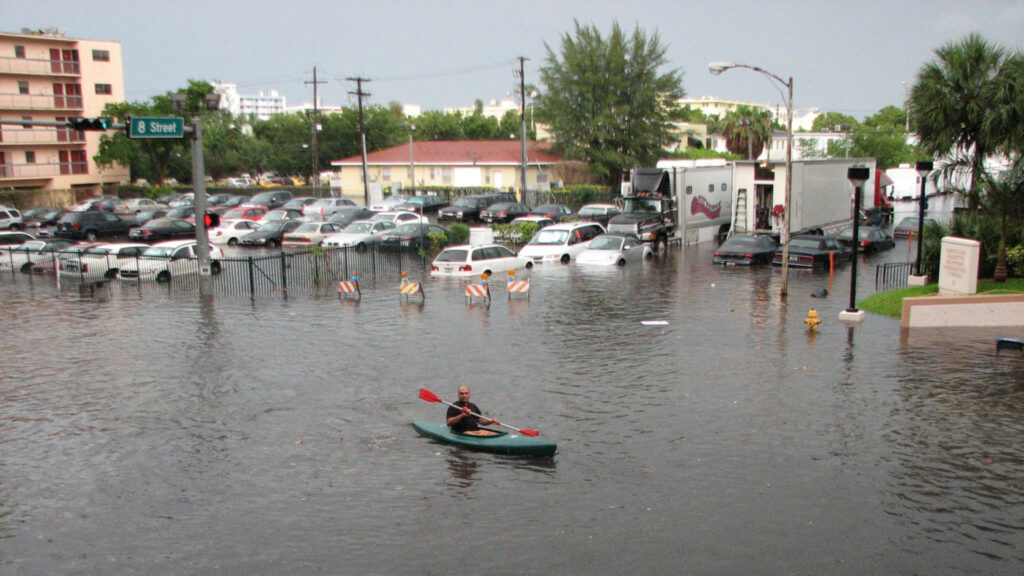
What was once described as a distant threat has become a clear and present danger and accelerating reality for coastal communities across our state. We are facing the possibility of catastrophic sea-level rise due to the increasingly rapid melting of Greenland and Antarctica.
Yet, despite decades of climate policy focused on limiting global temperature rise, the world has never defined a clear boundary for how much sea-level rise is too much.
That omission is no longer acceptable.
Last week, the Upper Limit Project submitted a recommendation to the United Nations as part of its global consultation on a forthcoming Declaration on Sea Level Rise. The goal of that declaration is to strengthen international cooperation around one of the most immediate and irreversible consequences of climate change.
Our message was simple: The world needs a clear, measurable “upper limit” on sea-level rise to protect our communities and economies.
For years, global climate efforts have rallied around the goal of limiting warming to 1.5 degrees Celsius, as outlined in the Paris Agreement. That benchmark has helped focus policy and stimulate investment. But when it comes to communicating the necessary urgency, temperature rise alone misses the mark. It does not tell people what climate change will mean for their homes, their communities or their coastlines.
Sea-level rise does.
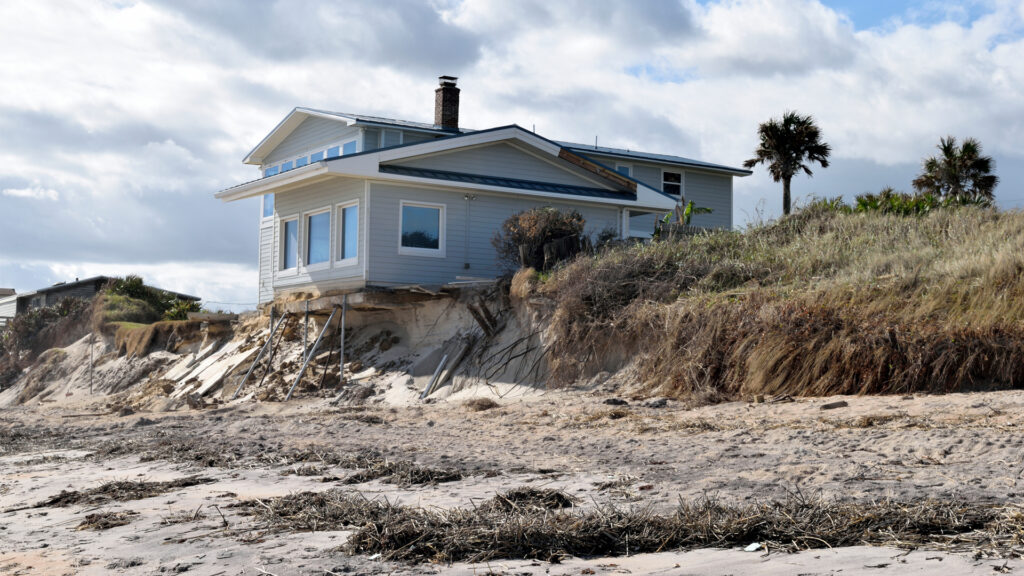
It translates abstract warming into visible, lived consequences: flooded streets, collapsed homes and infrastructure, eroding shorelines, disappearing wetlands and forced migration. Without a defined upper limit, we are navigating toward increasingly dangerous outcomes without a shared understanding of where the danger lies — or how to avoid it.
We measure what we value. If we value the survival of coastal communities, we must define the limits of what they can endure.
Establishing an upper limit on sea-level rise — a metric set to achieve the lowest possible rate of increase — would complement existing temperature goals and provide a tangible benchmark to guide decisions. It would help governments, businesses and communities better assess risk, plan infrastructure, and determine when adaptation is no longer enough and relocation becomes necessary.
For Florida, this is not an abstract policy debate. It is an economic and public safety imperative.
Florida faces billions of dollars in exposure to rising seas. Critical infrastructure — roads, ports, power systems — are increasingly vulnerable. Without clear benchmarks, planning becomes reactive rather than strategic, and costs escalate accordingly.
An upper limit would not solve sea-level rise overnight. But it would clarify the stakes, sharpen decision-making and reinforce the urgency of reducing greenhouse gas emissions — the central way to slow the rise over the long term.
This Earth Month, Floridians have an opportunity to insist on clarity.
Residents can contact their local and state officials and urge them to support stronger coastal resilience policies and international climate leadership. Business leaders can demand clearer risk metrics to guide long-term investments. And voters can prioritize leaders who recognize that sea-level rise is not just an environmental issue, but an economic one.
At the national level, the United States should champion the inclusion of a sea-level rise upper limit in the upcoming United Nations declaration. Doing so would send a powerful signal that protecting coastal communities is a global priority — and that we are prepared to measure, and therefore manage, what matters most.
The ocean is rising whether we define its limits or not. The question is whether we will act in time to prevent the worst outcomes — or continue drifting toward them without a plan.
During Earth Month, let’s choose to define that limit — and work together to stay within it.
Rafe Pomerance served as the U.S. deputy assistant secretary of state for environment and development from 1993 to 1999, and played a key role in bringing climate change to the policy forefront. Pomerance is a founding member of the Upper Limit Project, an initiative aimed at establishing an upper limit for sea-level rise. Learn more at sealevelrise-upperlimit.org. Banner photo: Flooding in Florida following a hurricane (iStock image).
Sign up for The Invading Sea newsletter by visiting here. To support The Invading Sea, click here to make a donation. If you are interested in submitting an opinion piece to The Invading Sea, email Editor Nathan Crabbe.
