


By Arif Aga, SgurrEnergy
The U.S. power sector is at an inflection point and the decisions made in the next few years will shape grid infrastructure for decades.
Electricity demand is rising again. Data canters, industrial electrification, EV adoption and population growth in high-demand Sun Belt regions are collectively driving a structural shift in load requirements. Meanwhile, the expectations from consumers regulators, and capital markets have never been more aligned: Power must be reliable, cost-stable and increasingly low-carbon.
These are not competing demands. But meeting all three simultaneously requires a fundamentally different approach to how new capacity is conceived, engineered and deployed. The answer the market keeps arriving at is solar generation paired with battery energy storage systems not as a niche play, but as the defining architecture of the next generation of U.S. energy infrastructure.
From assets to systems
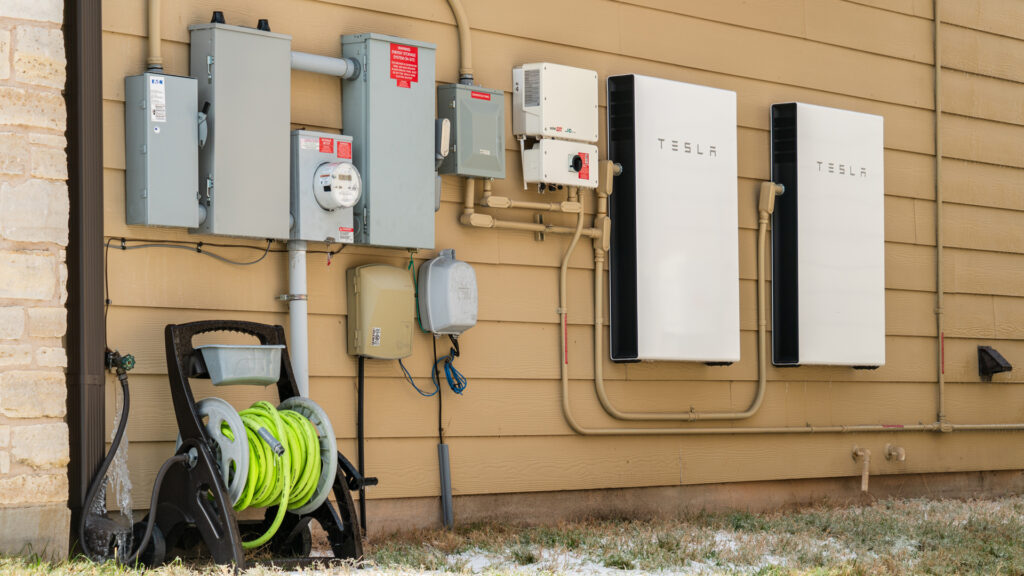
For decades, U.S. power markets were built around dispatchable fossil generation. Natural gas peaker plants balanced supply and demand during high-load periods, and the model worked until it didn’t.
Peakers operate for limited hours, carry high marginal costs and remain perpetually exposed to fuel price volatility. More critically, they were never designed for the granular flexibility that modern grids increasingly demand.
Solar alone cannot fill this gap. Its generation profile is anchored to daylight hours, not demand peaks. But paired with storage, the equation fundamentally changes.
Battery energy storage systems enable excess midday solar generation to be captured and dispatched during evening demand surges. This reshapes the load curve and allows renewable generation to perform functions historically reserved for thermal plants.
The transition is no longer theoretical. We are seeing it play out at scale in project designs, in interconnection queues and in the shifting economics of new capacity investment.
Three structural forces have converged to make solar-plus-storage the rational default for new capacity development.
First, costs have moved decisively. Utility-scale solar has seen dramatic price declines over the past decade, and battery storage has followed a comparable trajectory. When evaluated on a levelized cost basis particularly when accounting for peak pricing and ancillary services revenues hybrid systems are increasingly competitive with new gas-fired generation, and in many markets, they are already cheaper.
Second, federal policy has aligned with the transition. The Inflation Reduction Act has materially improved the financial viability of both standalone storage and hybrid systems, accelerating deployment timelines across multiple states and giving developers and investors the long-term certainty needed to commit capital at scale.
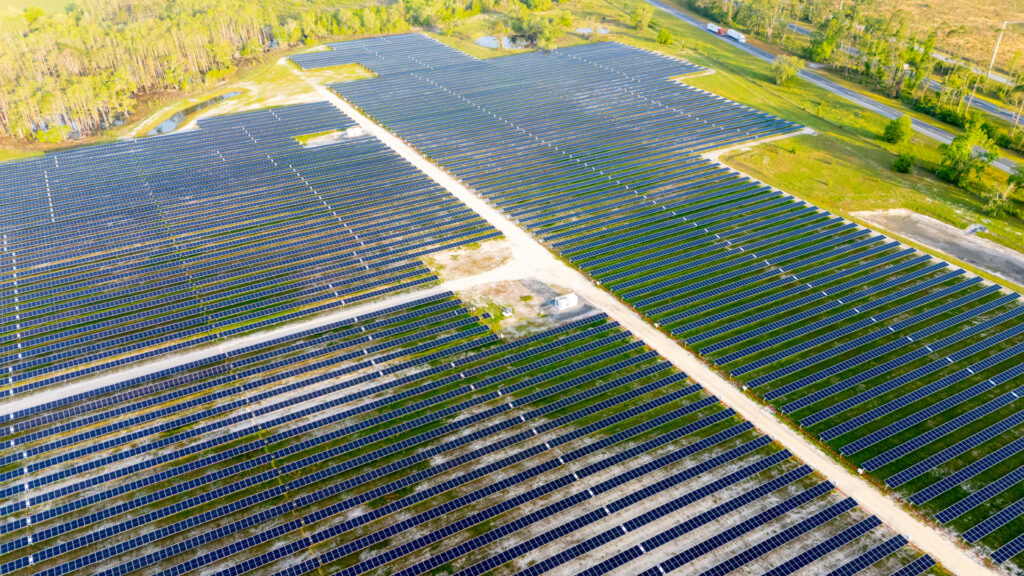
Third, grid operators themselves are recalibrating what they value. As renewable penetration increases, frequency response, ramping capability and dispatchable output have become premium services. Storage is uniquely positioned to provide all three.
What often gets overlooked in discussions of the energy transition is this: Pairing solar and storage is not the hard part. Engineering them to perform together reliably, across decades, under real-world grid conditions is where the work actually happens.
Dispatch strategies, inverter configurations, degradation modeling and interconnection constraints all directly influence long-term asset output and financial returns. Projects where these variables are optimized early deliver materially better outcomes than those where engineering is treated as a downstream execution function.
This is visible in large-scale deployments. A 250 MW solar PV project combined with 1,000 MWh of BESS, like the Calvada project in Nevada, or the 250 MW/836 MWh Bonanza project structured to deliver peak capacity alongside energy generation, are not simply renewable projects. They are integrated grid resources, designed from first principles to operate as dispatchable assets.
In Texas, where demand volatility and extreme weather have tested system resilience at its limits, 500 MW solar projects are increasingly being designed with hybrid integration and grid-responsive operation at their core not as an afterthought.
Here in Florida
States like Florida illustrate what structured integration can look like when the opportunity is seized before the system is stressed.

Florida combines a strong solar resource with sustained demand growth driven by population inflow and commercial expansion. Its late-day cooling loads mirror demand patterns across the broader southern U.S. It remains in a position to integrate solar and storage in a deliberate, optimized manner. That window will not stay open indefinitely.
The approach taken here will serve as a template for similar markets where demand growth and renewable deployment are converging on the same timeline.
Resilience is no longer a secondary consideration in power system planning. Winter storms in Texas, extreme weather impacts across coastal regions — these events have reframed what grid infrastructure must be capable of.
Solar-plus-storage systems contribute meaningfully: fast-response grid stabilization, reduced dependence on single-point generation assets and support for critical loads during disruptions. Even unconventional configurations such as floating solar projects being explored in Texas reflect an expanding design vocabulary for how renewable capacity can be deployed in diverse site conditions.
The transition toward solar-plus-storage is not a future scenario being debated in policy circles. It is already being built across key U.S. markets. The question now is not whether this model scales it is whether utilities, developers and investors are designing for it with sufficient precision and foresight.
Arif Aga is the director at SgurrEnergy. This opinion piece was originally published by newspapers in the USA Today Network-Florida that are media partners of The Invading Sea. Banner photo: Solar panels on a factory rooftop (iStock image).
Sign up for The Invading Sea newsletter by visiting here. To support The Invading Sea, click here to make a donation. If you are interested in submitting an opinion piece to The Invading Sea, email Editor Nathan Crabbe.
