


By Carol Becker and Ken McDonald Jr.
The conflict in Iran has again exposed the hard truth that America’s dependence on global oil markets is a glaring strategic liability. This crisis should be a wake-up call that transitioning to renewable energy isn’t just about climate; it’s about national security.
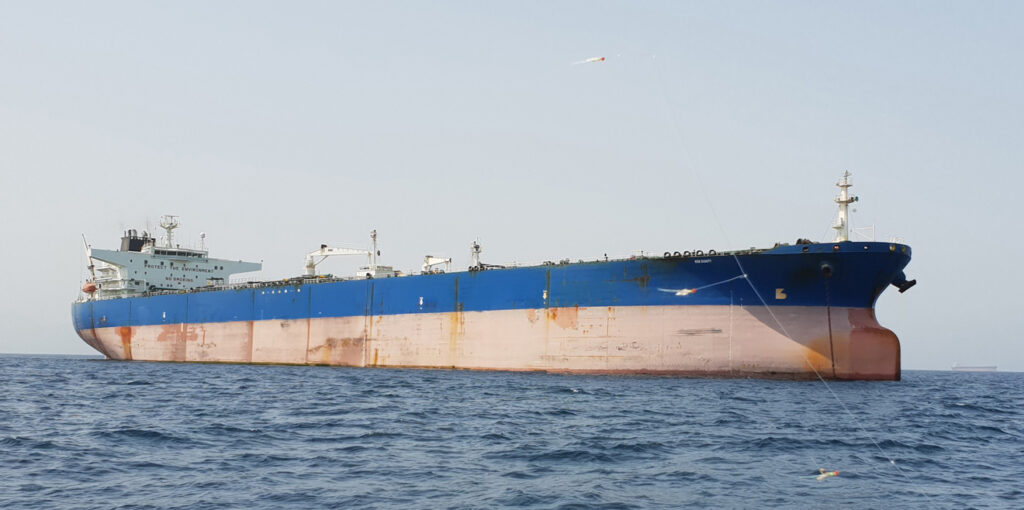
About 20% of the world’s oil flows through the Strait of Hormuz, which is now threatened by military escalation. Even if the conflict ends today, analysts warn that weeks or months of elevated prices are likely due to damaged infrastructure.
A lesser-known vulnerability is that U.S. refineries are not optimized for the type of oil we produce. Much of America’s shale oil is “light sweet,” while many refineries are configured for heavier imported crude.
China, meanwhile, has insulated itself far more effectively than many assume. As the world’s largest oil importer, it has built massive strategic reserves that provide a buffer the U.S. lacks. But China’s real insulation also comes from its dominance in renewable energy supply chains, which it will use as geopolitical leverage.
Today, China controls around 85% of global solar manufacturing/lithium‑ion battery production and most of the processing capacity for lithium and cobalt. Nations dependent on Chinese markets may find themselves as constrained as those dependent on Middle Eastern oil.
The lesson is clear: We must treat renewable energy as national security rather than partisan politics.
Carol Becker is a member of Citizen’s Climate Lobby and treasurer of the Space Coast Progressive Alliance. Ken McDonald Jr. is president of Brevard County Democratic Veterans. Banner photo: A missile is fired from a ship during operations in support of Operation Epic Fury (U.S. Navy photo via Defense Visual Information Distribution Service).
Sign up for The Invading Sea newsletter by visiting here. If you are interested in submitting an opinion piece to The Invading Sea, email Editor Nathan Crabbe.
.
