
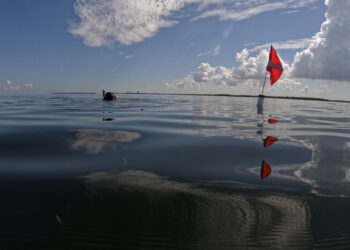
Is seaweed aquaculture the next big crop for Florida?
A new effort by UF/IFAS and Florida Sea Grant could pave the way for a thriving seaweed farming industry.


A new effort by UF/IFAS and Florida Sea Grant could pave the way for a thriving seaweed farming industry.
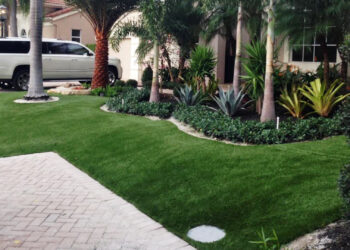
UF/IFAS research found that natural turf was consistently cooler than synthetic and water-scarce landscapes.

An international study led by UF/IFAS researchers shows how iNaturalist is doing far more than connecting users with nature.
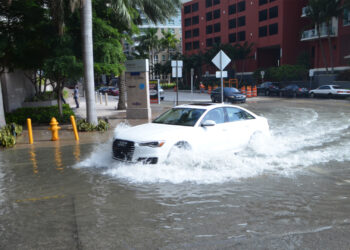
The system will be co-developed with local governments and include sea level and climate projections.
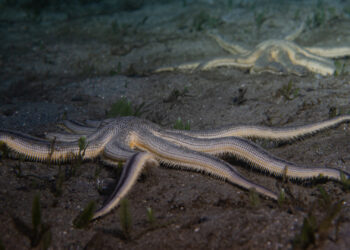
The discovery of Sea Star Wasting Disease represents a major expansion of the disease into the Atlantic Ocean.
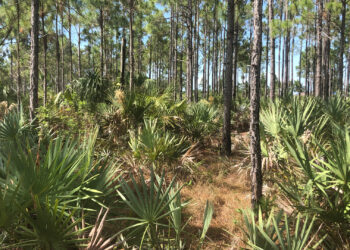
Rising sea levels and salt intrusion are negatively impacting the symbiotic fungi associated with pines in this habitat.
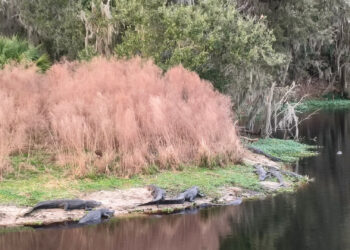
While the overall greenery in forests looks healthy, researchers are concerned about what’s going on beneath the canopy.
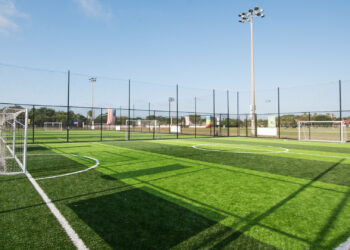
A first-of-its-kind study by University of Florida scientists provides insights on achieving harmony for smart urban park design.
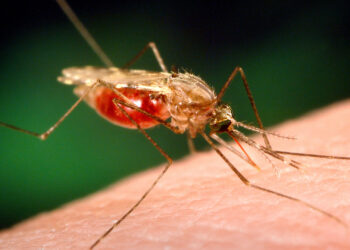
The results suggest that an anticipated surge in malaria transmission may be less severe than feared, particularly in cooler regions.
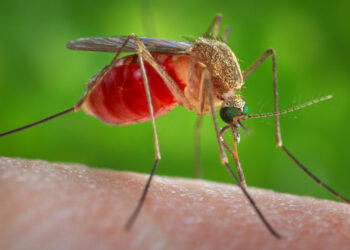
A study that looked at thermal adaptation in mosquitoes found that temperature tolerance could shift within just 10 generations.