
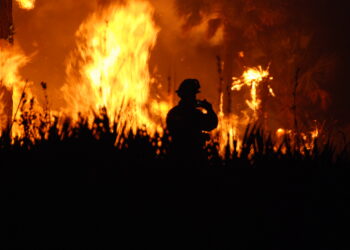
Wildfire disasters are increasingly in the news, yet less land is burning globally – here’s why
Our team of fire researchers found that the total area burned worldwide declined by 26% over two decades.


Our team of fire researchers found that the total area burned worldwide declined by 26% over two decades.
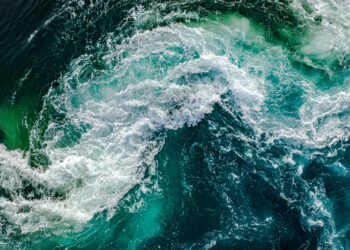
Scientists all over the world are researching how to use the oceans’ waves, tides and currents to generate energy.
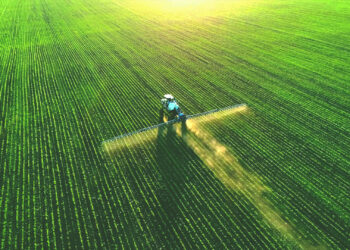
The growth of N₂O emissions is alarming, but people have the knowledge and many of the technologies to reverse the ...
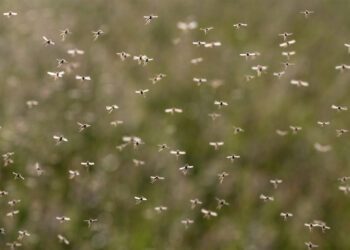
Climate change is causing the mosquito’s potential geographic range to expand and shift.
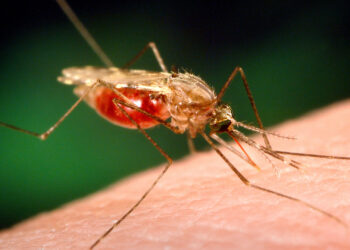
The results suggest that an anticipated surge in malaria transmission may be less severe than feared, particularly in cooler regions.
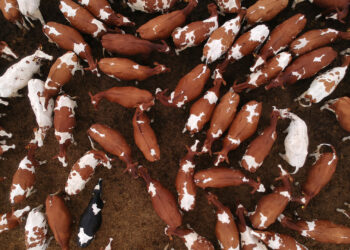
As natural ecosystems are converted for agricultural purposes, the carbon storage capacity is decreasing.
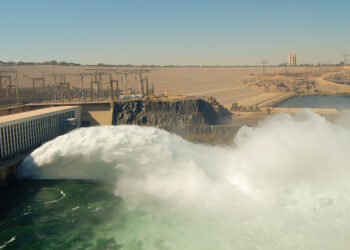
The 76% from renewables would be met by 82% hydropower, 11% solar power and 7% wind power.
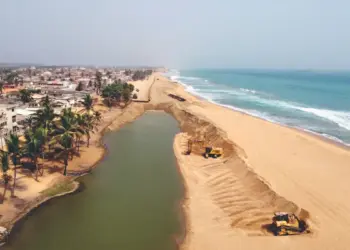
As sea levels rise, engineers are using massive Dutch-inspired sand sculptures to protect shorefront settlements.
THE INVADING SEA NEWSLETTER, No. 9 September 2022 Florida and the rest of the world are getting hotter; ‘heat officers’ ...