
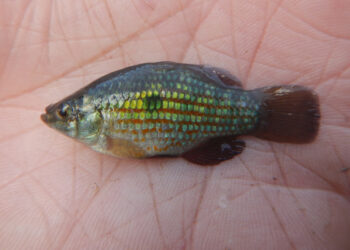
A small fish with a big job: The American flagfish and Florida’s troubled waters
Flagfish feed on algae, aquatic plants and mosquito larvae, keeping the water they inhabit in balance.


Flagfish feed on algae, aquatic plants and mosquito larvae, keeping the water they inhabit in balance.
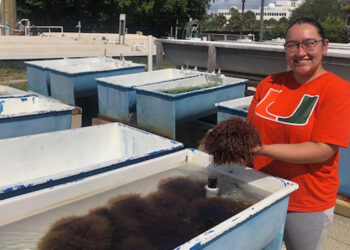
The project is developing a sustainable concrete additive that reduces the climate effects of concrete.
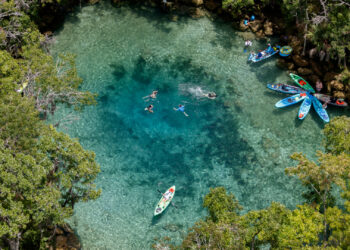
Save Crystal River is leading the charge to restore underwater ecosystems, reviving native habitats, springs and waterways.
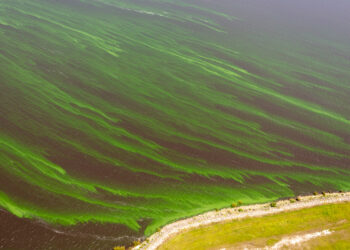
FAU's Center for Environmental Studies partnered with the U.S. Geological Survey to develop a video series on algae.
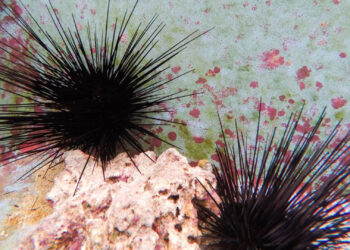
A major focus of the collaborative research is on how urchins can improve the growth and survival of corals.
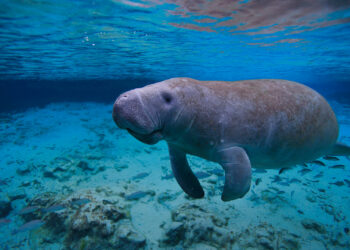
Manatees are eating less seagrass – traditionally their primary food source – and more algae than in decades past.
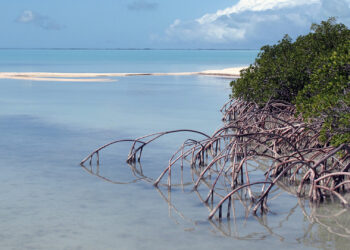
Over the past two decades, sea surface temperatures in the estuaries rose 500% faster than in the global oceans.
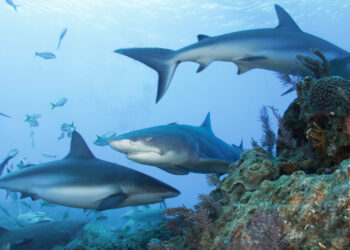
Since 1970, global populations of sharks and rays have decreased by more than 70%.
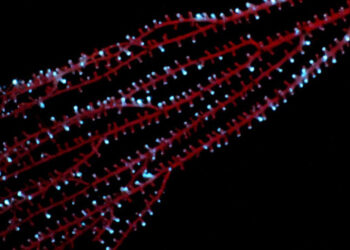
At least 94 living organisms produce light through a chemical reaction inside their bodies, an ability called bioluminescence.
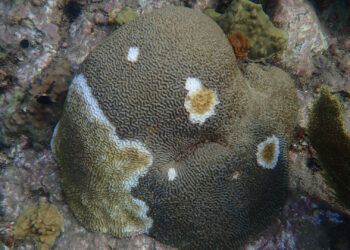
Changes in the Caribbean's population of corals threaten marine biodiversity and coastal economies.