

Everglades restoration strengthens South Florida’s climate resilience, study finds
Restored wetlands across South Florida remove about 14 million metric tons of CO2 from the atmosphere each year.


Restored wetlands across South Florida remove about 14 million metric tons of CO2 from the atmosphere each year.
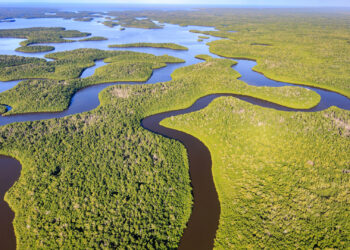
The two-day Climate Correction Conference, organized by VoLo Foundation, kicks off Tuesday in Orlando.

The Everglades face increasing pressure as global temperatures warm, storms intensify and tides rise.

Offshore oil drilling carries the risk of spills and other impacts that could undermine work to restore the Everglades.

The research supports the U.S. Army Corps of Engineers’ Comprehensive Everglades Restoration Plan.

PFAS on the reservation of the Miccosukee Tribe suggests more restoration may be necessary.
Economists have calculated that more than 3 million of us depend on the Everglades for our livelihoods.
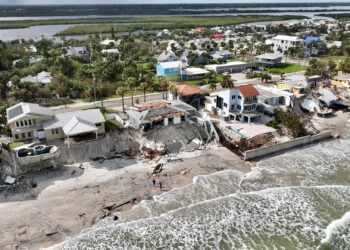
By respecting both nature's power and economic realities, we can chart a course that keeps Florida thriving.

The tribe joined a lawsuit initiated by environmental groups aimed at stopping the detention site.
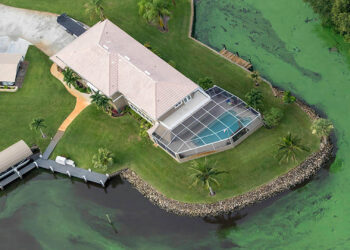
Unveiling comes as the DeSantis administration is getting sued over its detention center in the Everglades.