
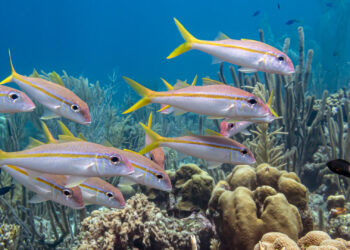
Forever chemical reaches fish before they even hatch
FIU researchers exposed yellowtail snapper embryos to a member of the PFAS family of chemicals.


FIU researchers exposed yellowtail snapper embryos to a member of the PFAS family of chemicals.
This bite-sized video explores the impact of PFAS, or forever chemicals, on our environment and health.

PFAS, also known as forever chemicals, pose one of the most persistent environmental and health threats today.

PFAS are estimated to be present in at least 45% of U.S. tap water, according to the U.S. Geological Survey.
Exposure to PFAS, also known as 'forever chemicals,' increases the likelihood of low-weight and preterm births.

While the levels detected are relatively small, researchers emphasize they’re far from harmless.

PFAS on the reservation of the Miccosukee Tribe suggests more restoration may be necessary.
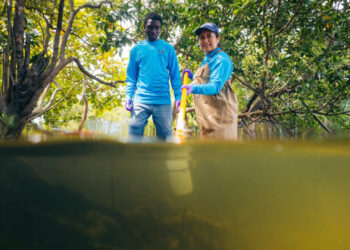
FIU researchers, in collaboration with the Miccosukee Tribe of Indians of Florida, detected 12 different PFAS.

The Trump administration is taking steps to eliminate regulations and ensure future administrations can’t bring them back.

A disproportionate share of biosolids, or the residuals from treated wastewater, is dumped in the Upper St. Johns River Basin.