
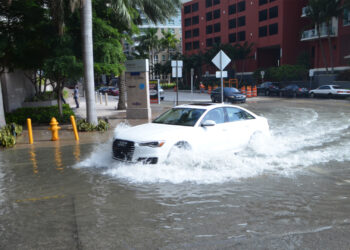
Florida’s trusted home for climate coverage
The Invading Sea is working to secure a new home to build on efforts to inform Floridians about climate change.


The Invading Sea is working to secure a new home to build on efforts to inform Floridians about climate change.
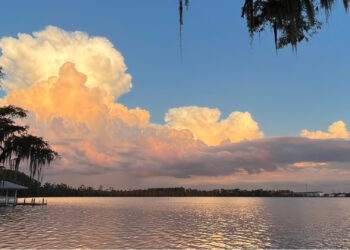
A Q&A with FSU researcher Michael Diamond on clouds, climate uncertainty and trade-offs in climate solutions.
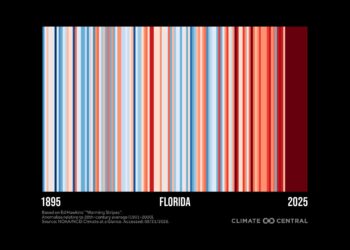
An awareness campaign on Show Your Stripes Day features a graphic showing temperature trends.

Increasing temperatures are turning summer soccer into a battle, and the odds are stacked against the players.
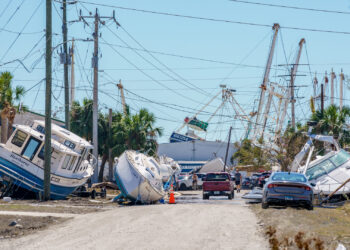
Most Democrats and moderate Republicans agree that global warming is increasing the cost of living.
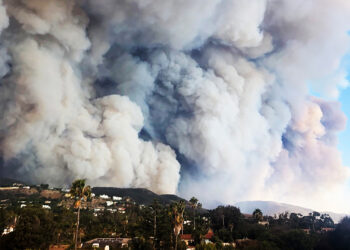
As the Earth and its atmosphere warm, wildfire seasons are becoming longer and more severe.
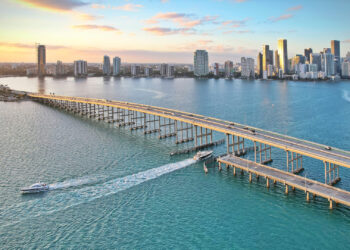
Biscayne Bay is becoming warmer, saltier and more acidic, raising concerns for South Florida ecosystems.
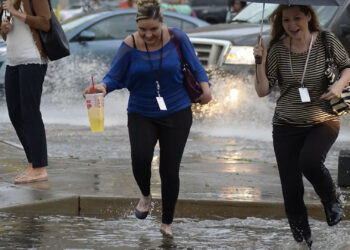
Despite an increase in precipitation nationally, the landscape is drying out more rapidly as temperatures rise.

Pollinator declines are being driven by land use, rising temperatures, extreme weather and pesticide use.

Half of reefs with the greatest potential to keep protecting coastlines as the oceans warm are unprotected.