
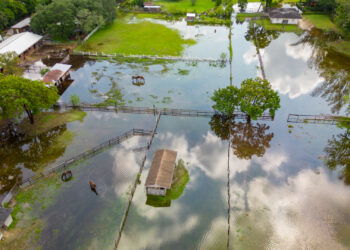
Florida farmers face rising climate risks from extreme weather
More extreme heat and more frequent heavy rainfall events have contributed to crop losses in recent years.


More extreme heat and more frequent heavy rainfall events have contributed to crop losses in recent years.

A Q&A with Doula Climate Health Outreach Team member Shantai Latoya Young.
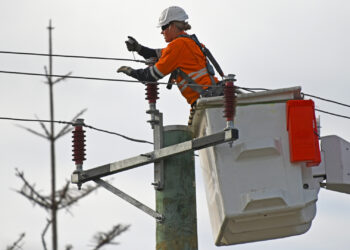
The risk is even higher for crews that travel in from cooler climates.

House Bill 803 would cut unnecessary delays for backup power installations ahead of storms.
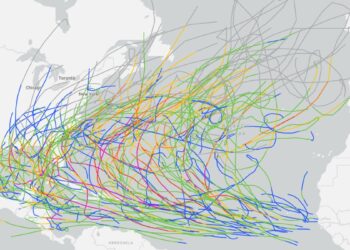
A look at what we know and don’t yet know about how climate change could affect the paths of these ...
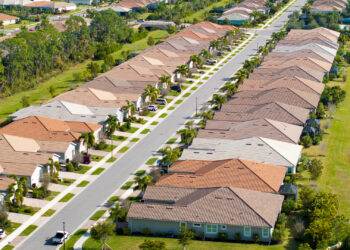
Local leaders and Floridians who want a say in how their communities grow must speak up now
A new Florida Council of 100 report offers solutions to help us recover faster, rebuild smarter and protect our state.
This article originally appeared on Inside Climate News, a nonprofit, non-partisan news organization that covers climate, energy and the environment. ...
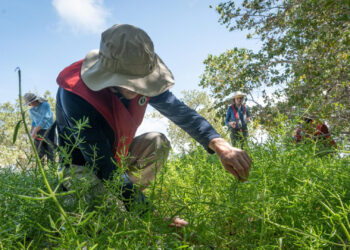
A team from Naples Botanical Garden collects seeds and cuttings at Rookery Bay National Estuarine Research Reserve.
Students face increased mental health risk while dealing with the challenges of a hurricane.