
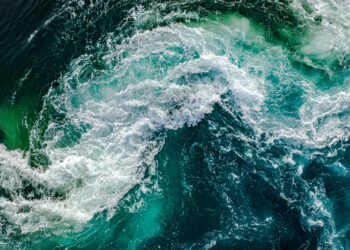
Ocean currents can generate electricity – and our study identified some of the strongest
Scientists all over the world are researching how to use the oceans’ waves, tides and currents to generate energy.


Scientists all over the world are researching how to use the oceans’ waves, tides and currents to generate energy.

When the yellow-brown seaweed washes ashore, the decaying biomass harms people, marine life and economies.
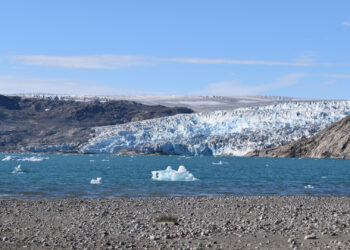
The collapse of the ice sheet and the AMOC ocean current could wreak havoc on Florida’s coastline.

Heat stored in the ocean is released into the atmosphere when ice melts, accelerating global warming.
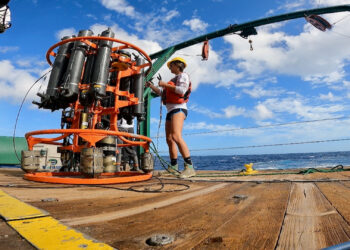
The findings are critical to understanding the future behavior of the AMOC, which plays a significant role in regulating climate.
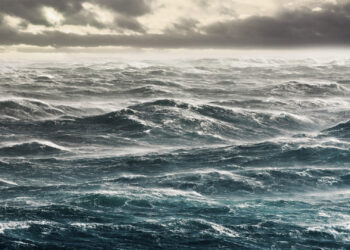
FAU researchers found that waters off Florida’s East coast and South Africa are ideal for generating electricity from currents.
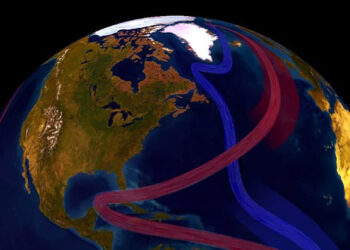
An AMOC collapse would lead to warmer ocean temperatures and greater sea level rise along the East Coast.
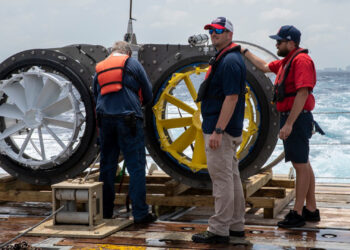
Ocean energy can be harnessed to provide electricity and help coastal areas achieve energy independence.
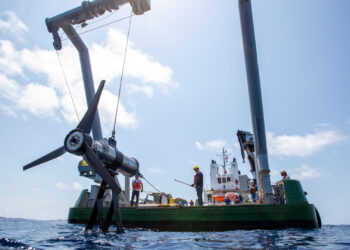
A Q&A with Gabriel Alsenas, director of the Southeast National Marine Renewable Energy Center at Florida Atlantic University.
This bite-sized video explores the use of ocean currents such as the Gulf Stream to generate renewable energy.