
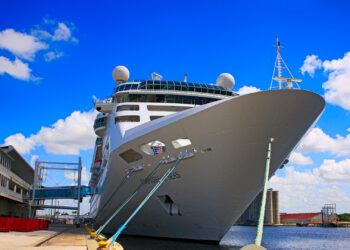
Cruise season shouldn’t mean turning our oceans into dump sites
Wastewater from ships can harm marine life and degrade water quality when not treated effectively.


Wastewater from ships can harm marine life and degrade water quality when not treated effectively.
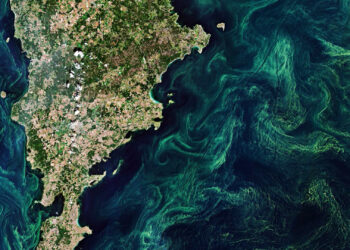
Some strategies carry fewer risks than others, but none is free of consequences.
A new study concludes that accounting for ocean impacts nearly doubles the estimated climate costs to society.
The recently enacted High Seas Treaty offers an opportunity to protect the ocean like never before.
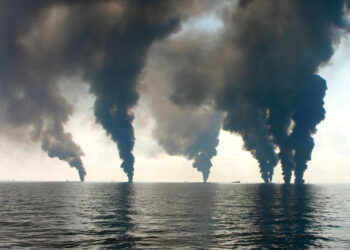
If offshore drilling expands according to a federal plan, it could cause 4,232 oil spills over the next few decades.
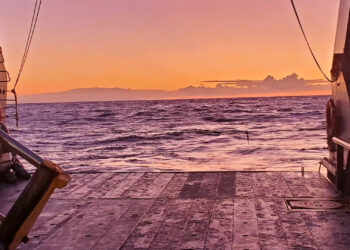
Viruses are central players in how ecosystems function, including a role in storing carbon in the deep oceans.
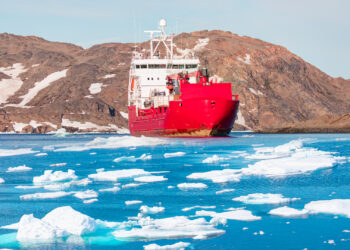
As Arctic sea ice cover diminishes, shipping routes that were impassable most of the year are opening up.
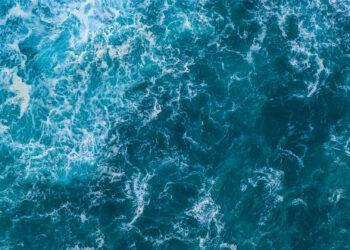
The ocean is Earth’s largest active carbon sink, pulling carbon dioxide from the atmosphere and storing it for long periods.
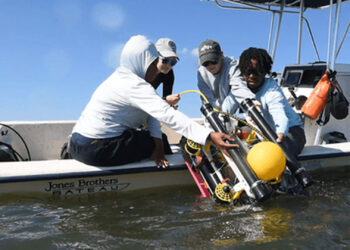
Reefgen builds robots that plant coral, seagrass and mangroves directly into the seafloor.
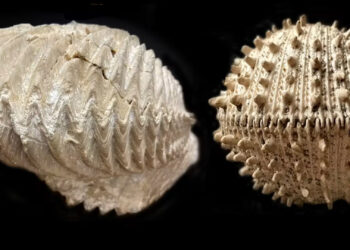
What happened during the extinction event tells an important story, both about the past and the future of biodiversity.