
New framework redefines how we understand and manage chronic heat
University of Miami researchers laid out ways to integrate chronic heat into conversations on climate adaptation and public health.


University of Miami researchers laid out ways to integrate chronic heat into conversations on climate adaptation and public health.

Existing national standards are projected to reduce overall national energy consumption by 10% between 2025 and 2035.
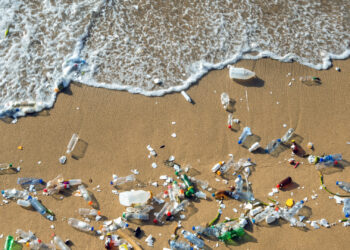
Plastic never was and never will be disposable, and neither are the people it poisons.

The research raises concerns about the long-term health risks posed by a warming climate.

Environmental changes are affecting vulnerable populations, especially children.

A new study shows that exposure to high temperatures adds up to 14 months to older adults' cellular age.

The Trump administration has scrubbed climate information from websites and sought to slash climate science funding.

Microplastics are less than 5 mm in length, formed from the breakdown of larger plastics or produced for commercial use.

PFAS, also known as forever chemicals, persist in the environment and have been linked to a variety of diseases.
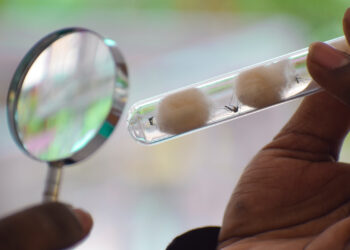
When human activities disrupt and unbalance ecosystems, such as by way of climate change, things go wrong.