


By Thais Lopez Vogel, VoLo Foundation
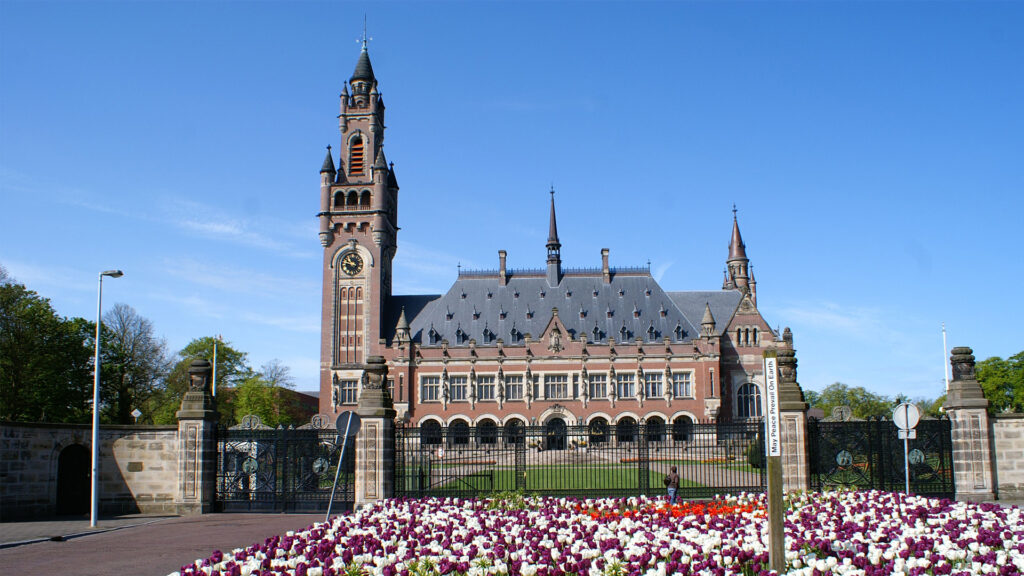
In a historic moment for climate justice and international law, the International Court of Justice recently declared that the right to a clean, healthy and sustainable environment is a human right.
As an advisory opinion, it does not impose enforceable obligations but serves to clarify international law and guide future decisions. The court’s unanimous ruling marks a significant shift: Climate responsibility is no longer seen as an abstract goal or an act of goodwill, but as a legal and moral obligation owed to every person on the planet.
This decision is the result of years of advocacy, particularly by vulnerable nations such as Vanuatu and others in the Caribbean and Pacific who have long warned of the disproportionate impacts of climate change. For them, the ICJ’s opinion offers more than symbolism; it provides a foundation to seek fairness and accountability in an increasingly unequal climate crisis.
This outcome brings several key benefits. First, it elevates environmental protection to the level of a fundamental human right. This strengthens the legal basis for climate litigation against both governments that fail to act and corporations that profit from pollution without facing consequences.
Second, the court states that failing to take meaningful climate action could amount to an “internationally wrongful act,” potentially opening the door to future claims for reparations.
This is especially important for communities that have contributed the least to global emissions yet experience the most severe consequences.
Third, the ruling emphasizes the responsibility of states to regulate private actors and uphold intergenerational equity. Vague pledges and voluntary targets are not enough; governments must implement enforceable policies and laws that effectively protect both people and the planet.
Finally, the opinion offers a moral compass for a world where climate action is often treated as optional. It reinforces the idea that there is no path to sustainable development, peace, or prosperity that ignores the right to a healthy environment.
As expected, some critics have raised concerns. A few governments and analysts argue the ICJ ruling might interfere with national sovereignty or prompt a wave of expensive lawsuits. Others claim it lacks power because it is non-binding.
These arguments, while understandable, miss the broader picture.
Recognizing environmental protection as a human right does not weaken national sovereignty. It strengthens it. Governments retain the freedom to design their own climate policies, but this ruling encourages them to align those policies with science and the urgent needs of their citizens.

Moreover, legal accountability is a pillar of justice. International law has helped confront global injustices, and it must now help address the gravest threat facing humanity: climate breakdown. If lawsuits arise, it is likely because harm is being done, not because the ruling overreaches.
While this opinion is technically advisory, history shows such rulings can shape law and policy for decades. They influence domestic courts, guide treaty negotiations and empower civil society. Already, similar legal efforts are progressing in courts from Germany and Colombia to the European Court of Human Rights.
What the ICJ has offered is a legal and moral framework for climate action rooted in justice and equity. It affirms that protecting the environment is not only smart policy but also a duty we owe to ourselves, to one another and to future generations.
This ruling is a timely reminder that international law can still serve the people. Let us use it wisely and with the urgency this moment demands.
Thais Lopez Vogel is the cofounder and trustee of VoLo Foundation, a private family organization that exists to accelerate change and global impact by supporting science-based climate solutions, enhancing education and improving health. VoLo Foundation is a financial supporter of The Invading Sea. This piece was originally published at https://volofoundation.org/news/a-legal-win-for-the-planet-and-the-people/. Banner photo: The International Court of Justice meets (Lybil BER, CC BY-SA 4.0, via Wikimedia Commons).
Sign up for The Invading Sea newsletter by visiting here. To support The Invading Sea, click here to make a donation. If you are interested in submitting an opinion piece to The Invading Sea, email Editor Nathan Crabbe at nc*****@*au.edu.
