


By Carlos Roa, VoLo Foundation
The term “microplastics” was first used in 2004. These tiny plastic particles have become pervasive pollutants in our environment, posing a risk to human health and the environment.
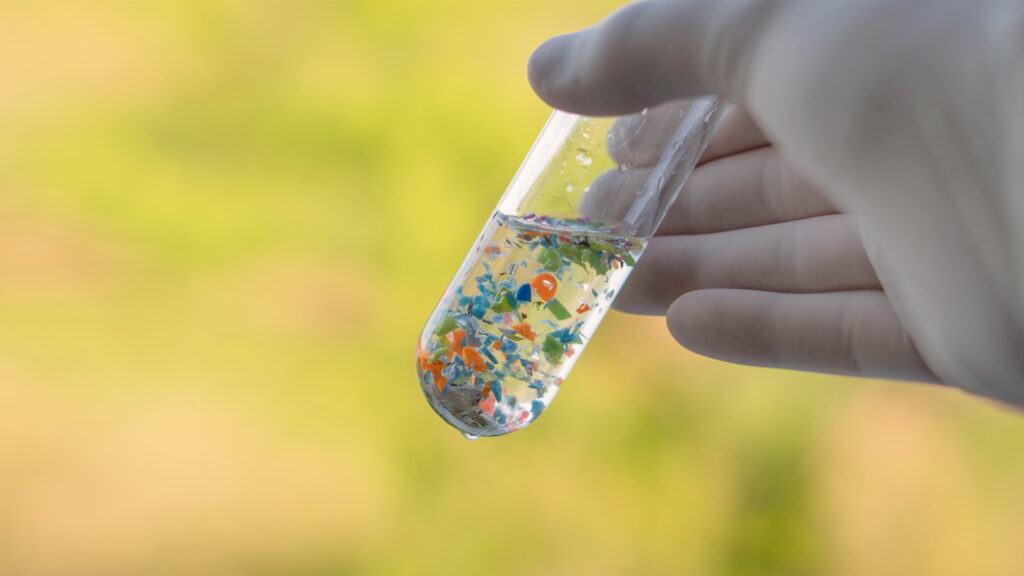
According to the National Institutes of Health, microplastics “come from the degradation of plastics, ubiquitous in nature and therefore affect both wildlife and humans.”
They can range in size from 1 nanometer to 5 millimeters. To put this in perspective, 1 nanometer is only a tiny fraction of the width of a human hair, while 5 millimeters is roughly the width of a standard wedding band.
They are present in the water we drink, the food we consume, the clothes we wear and the air we breathe. They have infiltrated ecosystems across the globe, from coral reefs to remote Antarctic ice. They have even entered the human body, embedding themselves in tissues ranging from the brain to reproductive organs.
Navigating microplastics
As the Organization for Economic Co-operation and Development (OECD) states, global production and use of plastics is projected to reach 736 million metric tons by 2040, a 70% increase from 435 million metric tons in 2020. This means that the already ubiquitous presence of plastics in our world will only continue to grow, leading to the increasing spread of these particles and severe consequences for both the environment and human health.
Growing plastic waste brings rising risks for human health. A study appeared in BioMed Central concludes that breathing in microplastics can inflame the lungs and trigger respiratory issues, while chemicals tied to plastics may disrupt the body’s hormonal balance, as Rutgers University concluded.
Emerging evidence published in Science Advances also indicates potential effects on brain function and development, while preliminary studies suggest a possible association between microplastic exposure and increased cancer risk, as BioMed Central asserts.
How to reduce microplastics in daily life
Yes, microplastics are all around us, but small lifestyle changes can help lower your exposure and prevent more particles from spreading into the environment:
- Start with your clothes: Synthetic fabrics like polyester shed tiny fibers every time you wash or dry them. Choosing organic or natural fabrics such as cotton, hemp or wool makes a difference. You can also help by washing less often, skipping the delicate cycle, and air-drying instead of using the dryer, which releases large amounts of microfibers into the air.
- Plastic waste is another major source: Say no to single-use plastics whenever possible: bring your own bag to the store, swap plastic straws for reusable ones, and carry a refillable water bottle instead of buying disposable bottles.

- Watch out for plastics in unexpected places too: Some cosmetics and cleaning products contain microbeads, tiny bits of plastic often listed as polyethylene (PE), polypropylene (PP), or PET. Choosing plastic-free alternatives is better for your skin and for the planet.
- Food and cooking habits matter too: Shellfish often contain microplastics from polluted oceans, so cutting down on them may reduce what ends up on your plate. Also avoid microwaving food in plastic containers, even if they say “microwave-safe.” Heat can still cause plastics to leach into your meal.
- At home, regular cleaning helps: Dust can contain microplastics, so vacuuming and dusting weekly, along with using good air filters, helps keep indoor air cleaner and safer.
Finally, remember your personal actions are powerful, and even stronger when paired with collective efforts. Support policies and organizations working to cut plastic pollution. By voting, volunteering or donating, you can help push for bigger change that protects both people and the planet.
Carlos Roa is senior press and PR director for VoLo Foundation. VoLo Foundation is a financial supporter of The Invading Sea. This piece was originally published at https://volofoundation.org/news/plastic-you-cant-see-damage-you-can-feel. Banner photo: Plastic particles in the sand at a beach (iStock image).
Sign up for The Invading Sea newsletter by visiting here. To support The Invading Sea, click here to make a donation. If you are interested in submitting an opinion piece to The Invading Sea, email Editor Nathan Crabbe at ncrabbe@fau.edu.
