


By the Orlando Sentinel Editorial Board
Over the past several years, Florida’s Legislature has passed major legislation based on the flimsiest of excuses. They’ve gone after diversity programs as if they presented some kind of threat, when reality shows that inclusion is good for business and builds community. In the name of freedom, they’ve launched attacks on what teachers can say in the classroom and what books can remain on library shelves. Claiming to support election integrity, they’ve hacked away at voters’ rights and overturned local referenda that angered big-money interests.
One of the most common themes: The conceit that lawmakers in Tallahassee know more about the needs of cities and counties across the state than local elected officials do. The arrogant pre-emption is most evident in the area of growth management: Local officials struggling to set rational rules that guide sustainable growth have been kneecapped time and again by laws that stack the deck in favor of careless sprawl.
Who wins? Irresponsible developers, looking to bulldoze the cheapest available land, plant rows and rows of houses, reap the profits and move on. Who loses? Communities left to suffer from snarled traffic, overloaded utility systems and big bills for the increased demands for police and fire service, libraries, schools and other amenities the new residents will expect.
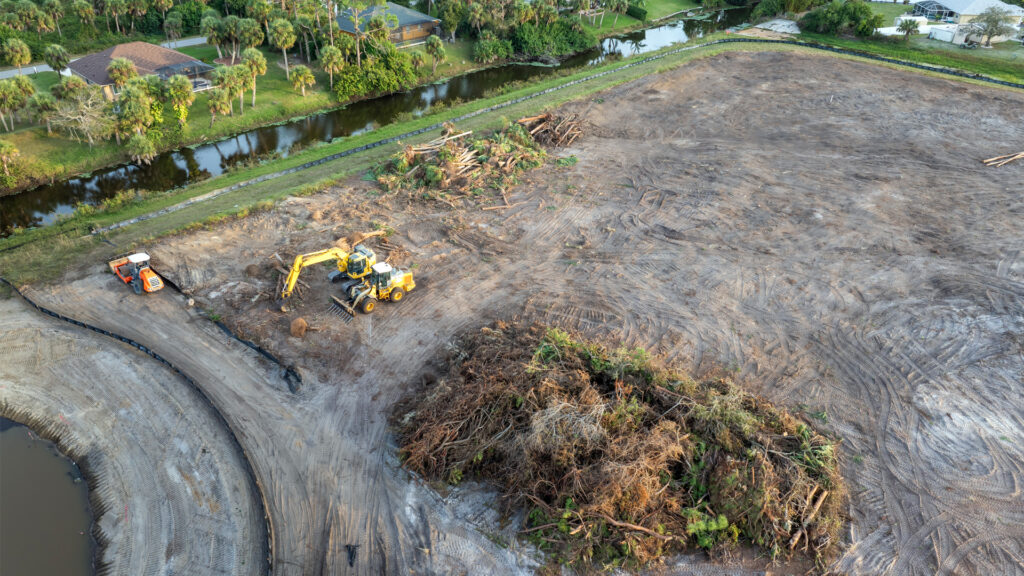
The barrage of arrogance from Tallahassee should have been countered a long time ago, as city and county leaders became increasingly anxious about the way their decisions have been undermined and overruled.
Now, two major lawsuits are striking back against Tallahassee overreach. Rather than racking up massive legal bills defending their own deception, lawmakers should agree that they’ve finally gone too far, repair the damage already done and stop trying to micromanage local decisions.
The breaking point was a behemoth bill that hid its drastic impact under the pretense that it would boost recovery in parts of the state devastated by major storms. That’s a flat-out lie. This new law — known during the legislative session as SB 180 — crushes the ability of local leaders to make their communities more storm-resistant. Even worse, it undermines every local growth-management decision going forward, even though they might have nothing to do with storm preparations or recovery.
The heart of the problem lies with the intersection of two provisions added late in the session. First, there’s language that blocks local governments in storm-impacted areas from adopting any restrictions on land use that are “more restrictive or burdensome” than current rules — even if those new rules aren’t directly related to development. That would be bad enough, but another part of the bill defines storm-impacted areas in a way that extends the bill’s reach to the entire state. It also reaches back to decisions made as early as August 2024.
That was a pretty obvious attempt to wipe out ballot initiatives that passed in last year’s election. Orange County’s rural boundaries, passed in November 2024, were the first to be struck down — along with its new comprehensive growth plan, known as Vision 2050. It was a staggering seizure of power. Vision 2050 had been in the works for years, and 73% of Orange County voters supported the rural land boundaries.
But the dilemma of another local town — quiet, affluent Windermere — exposes just how far this nonsense goes. After SB 180 became law, the town paused its new tree ordinance, which included a bump in the fee charged to developers who take down valuable trees. The new law also complicated the fight to save a historic oak near Windermere High School, and threatened efforts by a neighborhood association to remove trees that were causing structural damage to sidewalks and roads.
According to legal documents, more than a dozen local governments have been notified by the state that approved land-use change and growth maps are “null and void” thanks to SB 180.
Going forward, SB 180 could act like peanut butter in the gears of local government, gumming up any decision where a city or county might tell a developer “no.” And it’s patently unfair. For example, Orange and Seminole counties both passed rural-boundary legislation before SB 180 was passed. But Orange County loses its voter-mandated protections, while Seminole keeps theirs — at least, for now.
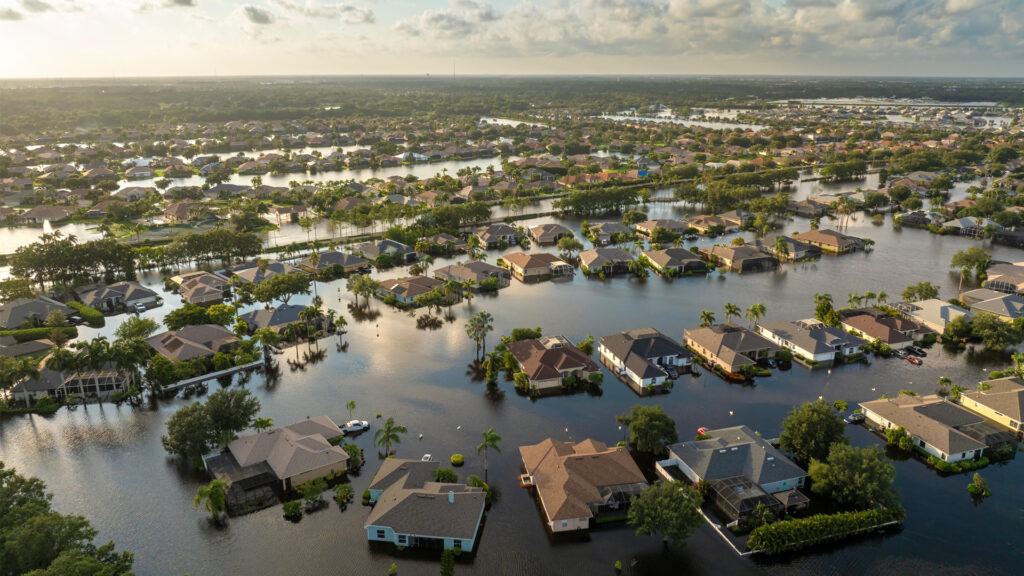
And what does any of this nonsense have to do with storm preparedness or recovery? Nothing. In fact, as many growth-management experts have pointed out, it’s all but guaranteed to make things worse. As sea levels rise and storms grow more intense, Florida has been seeing climate-related impacts that it never experienced before, including flooding in places that have no history of flooding. It’s past time for state and local leaders to question the wisdom of repeatedly rebuilding in areas that keep getting hit by storms. And the state’s property-insurance industry will be more reluctant to bring down the cost of policies if building codes can’t be upgraded to make buildings more storm-resistant.
The two lawsuits that have been filed present a double-barreled opportunity to shoot down this bad, deceptive law. Orange County, Windermere and Deltona have joined forces with more than 20 other local governments in a suit filed in early September, saying that the law violates the Constitution by being too broad, and masquerading as legislation focused on emergency management when its real impact is much broader. Last week, a second lawsuit was filed by the smart-growth advocacy group 1000 Friends of Florida and an Orange County homeowner who lives near Lake Pickett, citing some of the same complaints but also claiming that it is illegally vague, arbitrary and capricious.
Clearly, the best response from lawmakers would be to fix this bad language in the session starting in January. But to end the costly litigation, legislators will also have to earn the trust of the same local leaders they’ve deceived and double-crossed before. It will take definitive action — probably, erasing the two offending clauses entirely — to earn back Floridians’ trust. But that is no more than Florida’s families, businesses and concerned residents deserve.
This opinion piece was originally published by the Orlando Sentinel, which is a media partner of The Invading Sea. The Orlando Sentinel Editorial Board consists of Opinion Editor Krys Fluker, Executive Editor Roger Simmons and Viewpoints Editor Jay Reddick. Banner photo: Residential development in Florida (iStock image).
Sign up for The Invading Sea newsletter by visiting here. To support The Invading Sea, click here to make a donation. If you are interested in submitting an opinion piece to The Invading Sea, email Editor Nathan Crabbe at ncrabbe@fau.edu.
