


By the Miami Herald Editorial Board
If there’s any upside to the Trump administration’s newly unveiled plan to allow oil drilling off the West Coast of Florida for the first time in decades, it’s this: The pushback against this bad idea is united, bipartisan — and especially fierce from Republicans.
Republican Sens. Rick Scott and Ashley Moody co-sponsored a bill last week to maintain the moratorium on Florida offshore drilling that President Donald Trump signed in his first term. Florida Gov. Ron DeSantis’ office urged the Department of Interior “to reconsider and to conform to the 2020 Trump Administration policy,” noting that Florida’s constitution was amended in 2018 to prohibit offshore oil and gas drilling in state waters. DeSantis added Friday that drilling would “weaken protections that we worked very hard to establish offshore” and said he hopes the feds “double down” on the 2020 policy protecting the shore.
Is this a “historic step” to open up natural resources, as the American Petroleum Institute said after the Trump administration’s announcement? Or is it far too much of a risk for places like Florida?
Here’s the answer: Deepwater Horizon.
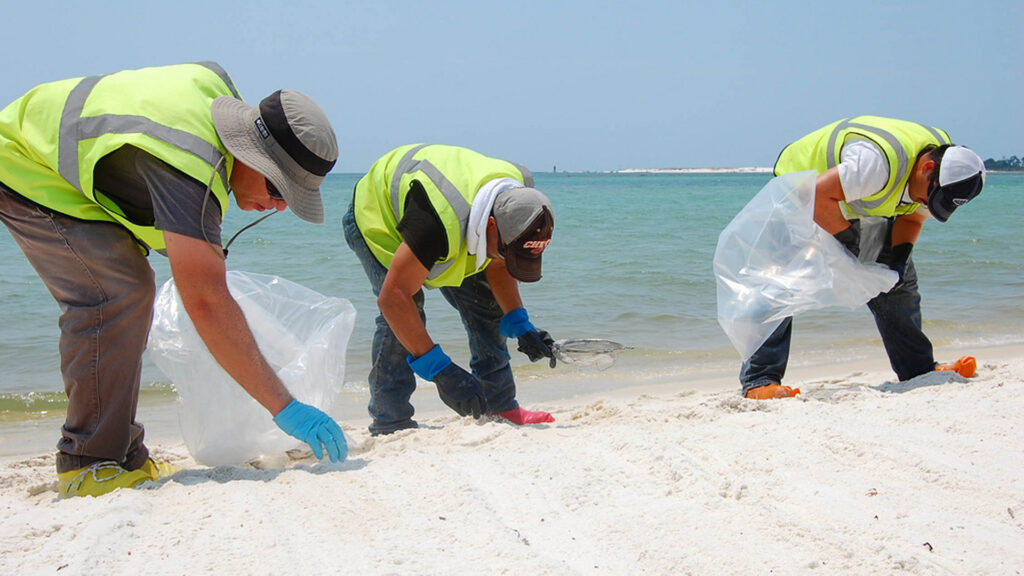
Back in 2010, the oil rig exploded and sank in the Gulf of Mexico, or Gulf of America, as Trump has named it. Renaming the body of water, though, doesn’t change what happened: The disaster killed 11 people, spilled millions of gallons of oil and devastated fishing and tourism industries along Florida’s West Coast.
Miami-Dade Mayor Daniella Levine Cava, a Democrat who serves in a nonpartisan job, wrote on X: “Miami-Dade’s economy, environment and way of life all depend on the health of our coastline and our oceans… Oil drilling has no place off Florida’s shores.” Florida Democratic Party chair Nikki Fried condemned the plan, too, calling it a “non-starter.”
Levine Cava, in her statement, mentioned “severe and lasting damage” inflicted on coastal communities by past disasters. She’s not exaggerating. Even though the Deepwater Horizon spill was 120 miles or more from the Florida coast, tar balls and oil reached our shores. Tourists were driven away. Fishing and other coastal industries were disrupted or destroyed amid fears of seafood contamination. Restoration took years. It was terrible for the state and for the environment. Florida’s worries about oil spills are based on that hard reality.
That’s not all: Panhandle U.S. Rep. Jimmy Patronis, former CFO of Florida and a Trump supporter, signed a letter Thursday along Rep. Byron Donalds (Trump’s pick for governor of Florida in 2026) and six other members of Congress from Florida, warning that drilling could interfere with military training in Gulf waters.
That’s an avalanche of dissent. Scott’s opposition, in particular, should carry weight. When he was governor of Florida, Scott helped persuade Trump officials in 2018 to drop a similar offshore plan. He wrote on social media Thursday that he’d met with U.S. Interior Secretary Doug Bergum and “made my expectations clear that this moratorium must remain in place, and that in any plan, Florida’s coasts must remain off the table for oil drilling to protect Florida’s tourism, environment and military training opportunities.”
The proposal coming from Washington isn’t only focused on Florida. Drilling is also under consideration for the waters off California and Alaska, sparking additional opposition. (Gavin Newsom, the Democratic California governor and frequent Trump critic, called the plan “idiotic.”)
The oil industry has long wanted access to new offshore areas based on the idea that more oil production will boost U.S. energy security and create jobs. Drilling also would generate lots of money in tax revenues and could even lower energy prices, advocates say. Environmentalists, though, point out that more oil drilling means more fossil fuels and greenhouse gases that are heating up the environment — the opposite of the direction we should be going in.
Under the new Trump administration plan, drilling would be allowed 100 miles or more off Florida’s entire West Coast. That’s an enormous area and an enormous risk. There’s still a 60-day comment period starting Nov. 24 to allow local governments, citizens and others to speak out.
Florida, including its elected officials, must continue to say in one loud voice: No drilling off our coast.
This opinion piece was originally published by the Miami Herald, which is a media partner of The Invading Sea. Banner photo: Fire boat response crews battle the blazing remnants of the offshore oil rig Deepwater Horizon on April 21, 2010 (U.S. Coast Guard, Public domain, via Wikimedia Commons).
Sign up for The Invading Sea newsletter by visiting here. To support The Invading Sea, click here to make a donation. If you are interested in submitting an opinion piece to The Invading Sea, email Editor Nathan Crabbe.
