


By Jake Salman
Florida is drowning, and Tallahassee is too proud to see it. Sea levels are rising. Hurricanes Helene and Milton caused $113 billion in damages last year, more than the entire state education budget.
What has Florida’s political response been? Passing laws that erase the word “climate change” from state statutes and banning cities from reducing plastic. With the recent refusal of the Trump administration to send even a single American delegate to the COP30 climate conference in Brazil, reluctance to engage in climate policies on a global scale echoes in the local decisions of states like Florida.
While politicians are peddling climate denial, Floridians are fighting to keep their heads above water. So how can the citizens of the Sunshine State save ourselves when our government has abandoned us? That answer comes from a network of non-profits keeping communities afloat. These organizations are amplifying climate awareness statewide by mobilizing and educating people of all ages.
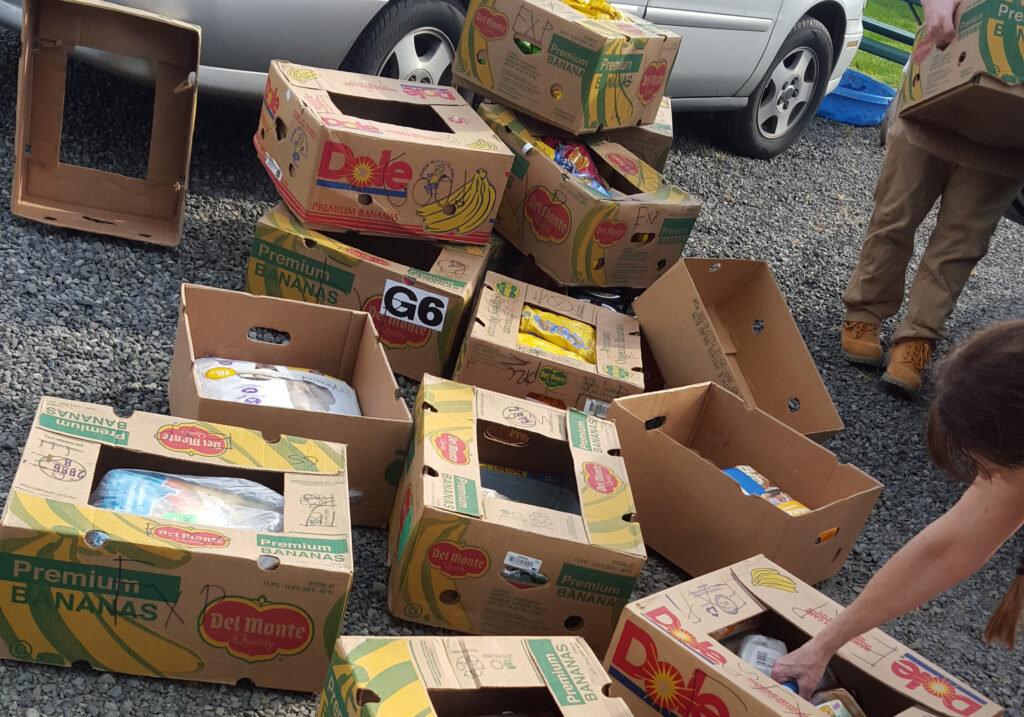
Food Rescue US South Florida is just one example. The organization fights against the widespread problems of food waste and food insecurity while living its motto: Feed people, not landfills. As a frequent volunteer, I would arrive at the local Trader Joe’s loading dock with other volunteers every Saturday morning to rescue surplus food headed for the dumpster. Within the hour, I’d deliver those boxes full of milk, eggs, meats and produce to the food insecure at a nearby homeless shelter or food pantry.
I’ll never forget the smile on the face of a mother of five when I helped her two youngest children open ketchup packets for their rescued chicken sandwiches. She was so grateful for our deliveries. That one rescue helped feed dozens of people who needed it within 5 miles of that grocery store, while also benefiting the planet.
Without food rescues, over 5.7 million pounds of surplus food from South Florida grocery stores, restaurants and huge sporting events like the Miami Grand Prix would be rotting away in landfills, producing methane gas that fuels the climate crisis.
Another way for Floridians to get involved in climate action is through The CLEO Institute. This organization leads education campaigns and workshops to train new student leaders, builds engagement through local councils and runs public advocacy campaigns to influence policy. These local programs pave the way toward specific, community-focused solutions.
I personally experienced one of the group’s workshops in high school, where students my age were taught about sea-level rise and other climate effects and then asked to brainstorm solutions to mitigate these risks. These emergency planning simulations helped me and the other students build real-world planning skills for when the next disaster strikes and government relief falls through.
While the work of nonprofits is crucial for motivating climate action, it’s not always the most effective at sparking political change. Nonprofits alone cannot solve climate change or end political polarization, but they can inspire local resilience through building a support system and save lives through mutual hands-on aid.
Instead of watching the next disaster tear through a vulnerable coastal town on the news and waiting to see if political leaders will act, get out there and volunteer. Help feed and house displaced families. Grassroots action is the only option when our own government is not protecting us.
We can’t stop hurricanes and heatwaves, but unlike our government, we can’t afford to stand by and watch our state keep sinking. If you’re feeling stuck or discouraged by the polarization around climate change, I urge you to get involved with a nonprofit like Food Rescue US South Florida or The CLEO Institute this month.
We might not save Florida, but we can save each other, right now, one neighbor at a time.
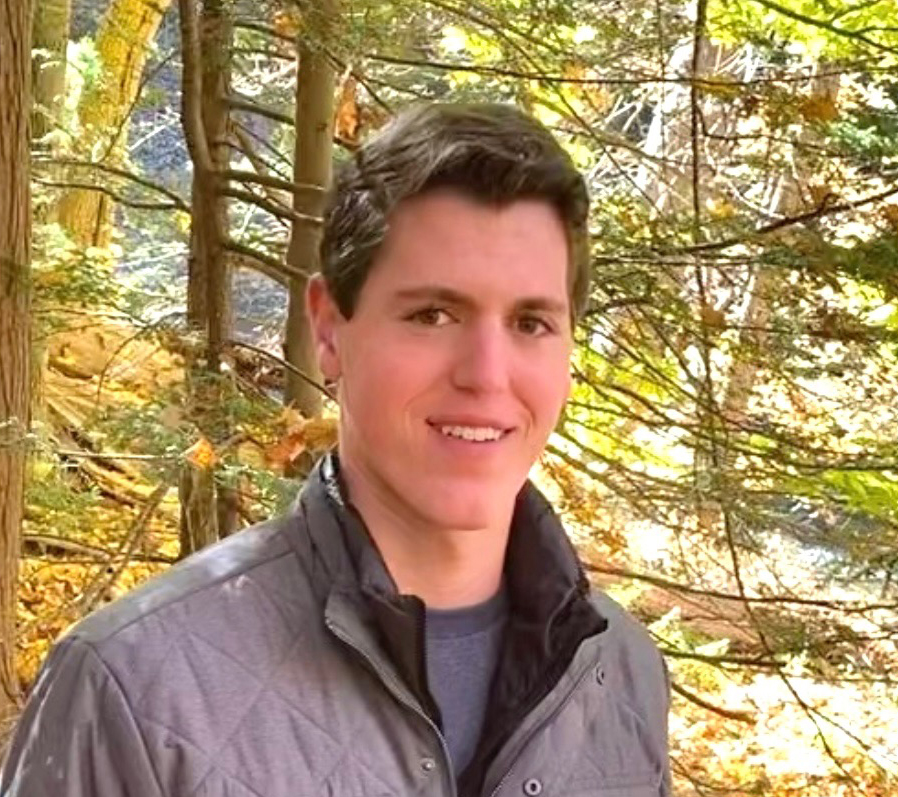
Jake Salman is a Fort Lauderdale resident and an environment and sustainability student at Cornell University. Banner photo: A box being loaded with food (iStock image).
Sign up for The Invading Sea newsletter by visiting here. To support The Invading Sea, click here to make a donation. If you are interested in submitting an opinion piece to The Invading Sea, email Editor Nathan Crabbe.
