


By Ragan Whitlock, Center for Biological Diversity
Florida’s native wildlife species are in the crosshairs. From our majestic panthers to our delicate corals, beloved species are at risk as the Trump administration moves to eviscerate foundational environmental protections in favor of corporate greed and reckless development.
The administration recently moved to gut Endangered Species Act rules that safeguard the natural circuitry upon which all living things depend. Yes, Trump tried something similar during his first administration. But his new proposals go even further toward impoverishing our shared natural heritage.
The administration’s anti-wildlife agenda is utterly at odds with public opinion. The majority of Americans have made one thing abundantly clear in poll after poll: Protecting and recovering our nation’s most endangered species is a widely shared priority.
Yet Trump has launched a staggeringly broad attack on wildlife that could drive species extinct.
Take, for example, Trump’s proposed rule that would allow the U.S. Fish and Wildlife Service to consider economic impacts when deciding whether to protect wildlife under the Endangered Species Act.
Such considerations are explicitly barred under the law, which demands decisions be made only on the best available science. Trump’s proposal also contradicts Supreme Court precedent, which affirmed that Congress intended to “halt and reverse the trend toward species extinction, whatever the cost.”
Adopting this proposal could spell disaster for so many Florida species who have already waited years for protection including the ghost orchid, mimic glass lizard, hidden bluecurls and Miami cave crayfish.
The proposed rules also effectively stop the Service from protecting habitat, the places where plants and animals live, from climate change. And they curtail the agency’s ability to forecast and address future climate-related threats.
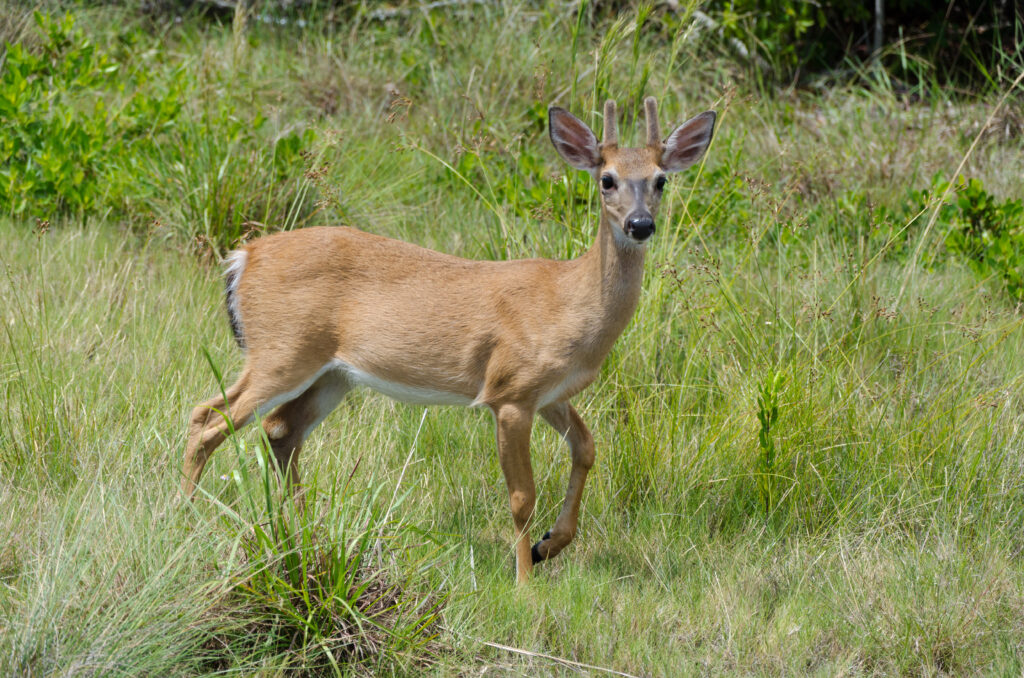
For Florida’s island denizens such as the diminutive Key deer, the pink-tailed Florida Keys mole skink and the bright yellow Big Pine partridge pea, sea-level rise and powerful storms driven by climate change are extinction-level hazards. Ignoring these threats won’t save these vulnerable creatures — only facing them head-on and making practical decisions to protect the highest and driest habitat will avert destruction.
Another Trump proposal would fundamentally reduce protections for threatened species likely to become in danger of extinction in the foreseeable future.
Recognizing the need to intervene early to recover these species, the Fish and Wildlife Service currently swaddles these vulnerable creatures in “blanket” regulatory protections. These mirror safeguards afforded to endangered species, like prohibiting industry and individuals from killing, harming, harassing and capturing these threatened plants and animals.
But the proposed regulations would replace the blanket protections with species-specific rules that in practice would provide large loopholes for industry and are significantly less protective.
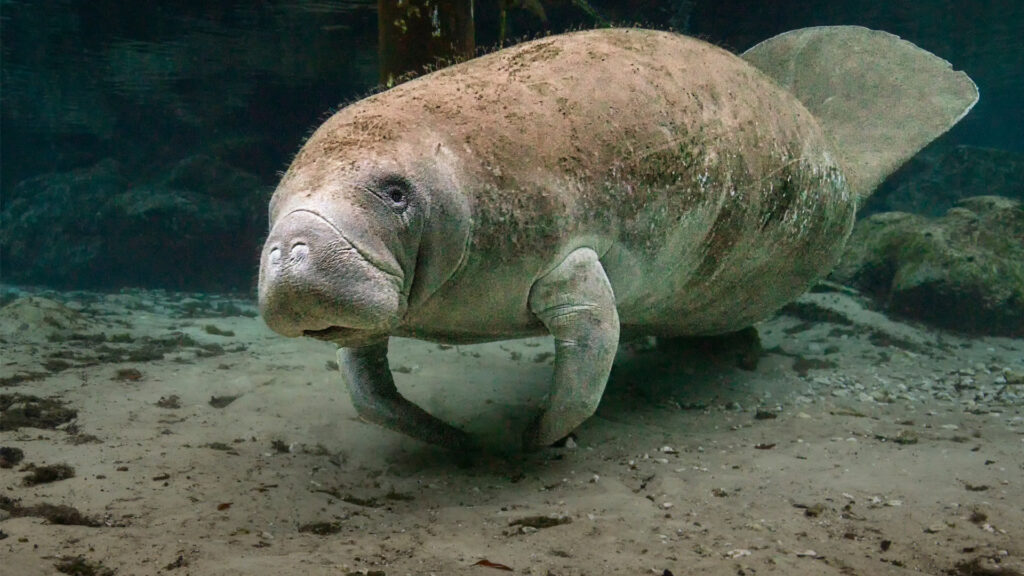
That increased regulatory burden could spell disaster for an agency that already lacks funding and resources to complete its duties in a timely manner — including finalizing overdue critical habitat protection for Florida manatees.
Florida manatees were proposed to receive protections as a threatened species this year. Trump’s changes could leave them at significantly higher risk of harassment and harm in their few remaining warm-water sanctuaries.
If this sounds like an overwhelming number of horrible changes, that’s because it is. Trump has once again decided to wage an all-out assault on America’s struggling species. And it gets even worse.
Trump’s proposals would also weaken portions of the Endangered Species Act that require federal agencies to consult with the Fish and Wildlife Service before doing anything that could harm protected species. For Florida’s ailing staghorn corals and queen conchs, who are facing a massive dredging project in Port Everglades that would smother more than 200 acres of their habitat in sediment, this consultation process could be of life-or-death importance.
In light of all this, you have to wonder why gutting protections for species beloved by Floridians is such a priority for this administration.
The answer is simple: This disastrous proposal benefits corporate polluters, foreign and domestic, and corporate profits are about the only thing that matters to Trump. Under this administration’s version of the Endangered Species Act, industry whims get priority — and the rest of us are robbed of natural treasures that should be our children’s most precious inheritance.
Ragan Whitlock is a Florida attorney with the Center for Biological Diversity. Banner photo: A manatee in Florida waters (iStock image).
Sign up for The Invading Sea newsletter by visiting here. To support The Invading Sea, click here to make a donation. If you are interested in submitting an opinion piece to The Invading Sea, email Editor Nathan Crabbe.
