


By Jorge Aguilar, Food & Water Watch
If 2025 had to be described in a few short words, “affordability” and “data centers” aren’t a bad place to start. Across the nation, communities were blindsided by the rise of energy-hungry, water-guzzling data centers. Powered by fossil fuels and built to enable the rise of artificial intelligence, this burgeoning industry threatens to reshape America’s energy usage and environmental impact.
If these facilities are developed at the rate Big Tech is hoping for, the nation will triple its amount of data centers between 2023 and 2028. Our analysis found that that number of data centers would consume the same amount of energy as 30 million homes, and the same amount of water as 18.5 million homes — all to power and cool these facilities.
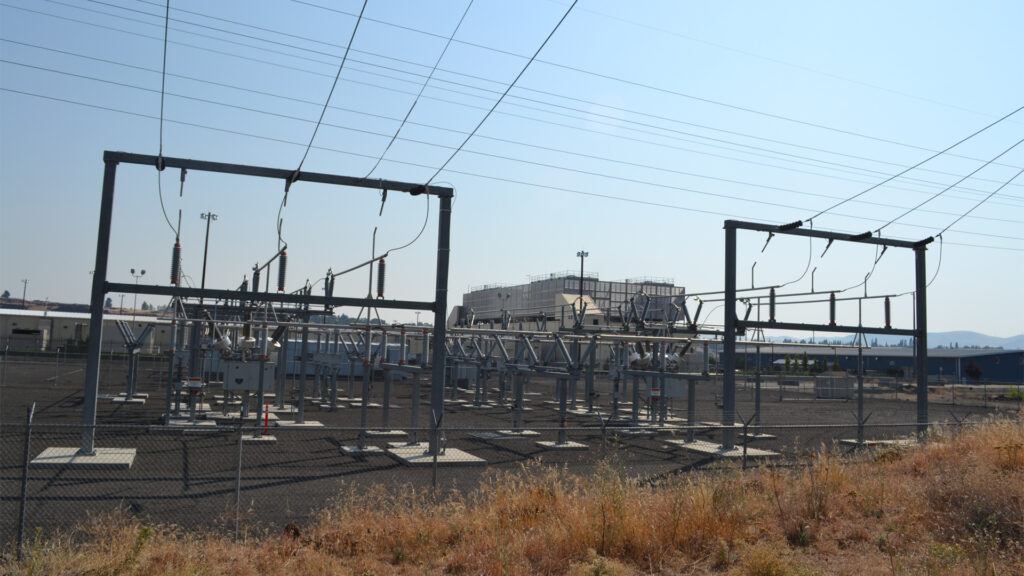
That is why Food & Water Watch was the first national organization to call for a moratorium on new data center construction. Last month, over 230 local, state and national organizations sent a letter to Congress urging a halt to the proposal and construction of new data centers until adequate regulations are implemented to protect people, our wallets and the planet.
The issue has landed in every corner of the country, including right here in Florida. Think of this data center boom as a negative feedback loop. If massive data centers are built in Florida, it increases the amount of fossil fuels being burned to power them. Those fossil fuels then go on to change our climate and intensify our weather, leading to costly and deadly extreme weather events, from hurricanes to flooding.
Then our electricity companies charge us extra for storm recovery costs, raising our electricity bills — the same bills that have been skyrocketing due in part to Florida utilities’ overreliance on expensive fossil fuels. It’s a lose-lose situation all around – for our wallets, our climate and our families.
As it stands, nearly half of all Florida households struggle to make ends meet. Last year, energy prices rose at more than twice the rate of inflation. From December 2020 to January 2026, Food & Water Watch finds that Tampa Electric (TECO) customer bills increased 82%, 42% for Duke Energy and 45% for Florida Power & Light.
By straining the grid and threatening to further increase residential electricity bills, data centers could make the situation even more dire. People are voicing their opposition to both rate hikes and data center development — as the issues go hand-in-hand — because people want clean water, lower electricity bills and more job opportunities. Data centers won’t accomplish any of that.
This issue came to a head last month in Palm Beach County where a contentious nearly 2 million square foot data center is proposed. Community pushback led officials to postpone Project Tango’s hearing until April to allow for residential input. Now, Florida legislators are engaging on this issue and raising red flags.
Data centers also threaten employment and our economic futures. New Food & Water Watch research released this month reveals that job estimates from data center build-outs are grossly inflated. The research finds that as few as 23,000 people likely held permanent jobs at American data centers as of 2024 — about 0.01 percent of all employment across the country.

Now, as Florida faces the highest levels of unemployment seen in the past four years, elected officials must additionally consider the tradeoffs of bringing in an industry capable of unprecedented and stunning ramifications. Simply put, are all the various impacts worth the tradeoffs? Some state legislators, and Gov. Ron DeSantis, think not.
Data centers have no place in Florida. As a state facing drinking water shortages, historic electric utility rate hikes and an affordability crisis, our resources are better directed toward community need instead of private gain. Things like the Affordable Energy Reform Act, introduced this week by state Sen. Carlos Guillermo Smith, are where the state’s energies should be focused — on prioritizing the needs of everyday residents trying to get by.
Florida needs to halt all new data center projects until our elected officials can determine if these facilities can coexist in harmony with people and our environment. Florida leaders need to focus on what’s in the interest of the many and not just the few.
Jorge Aguilar is southern regional director for Food & Water Watch. Banner photo: Cooling units and backup generators on the roof of a data center (Rsparks3, CC0, via Wikimedia Commons).
Sign up for The Invading Sea newsletter by visiting here. To support The Invading Sea, click here to make a donation. If you are interested in submitting an opinion piece to The Invading Sea, email Editor Nathan Crabbe.

I live literally next door to project Tango planned AI data center. We had great community support – to oppose the plan. I hope our noisy community makes it go away- but very worried it will not.
I live literally next door to project Tango planned AI data center. We had great community support – to oppose the plan. I hope our noisy community makes it go away- but very worried it will not. We are all vowing to fight and I hope that we accomplish getting rid of the plant.