


By Jasmine Silvennoinen
Small-scale fishers in South Africa often operate on the margins, risking their lives on the water to face limited bargaining power, unstable incomes and cycles of debt created by long-standing dependence on middlemen. Many rely on their daily catch not only to earn a living but also to feed their families, leaving little room for financial security or long-term planning.
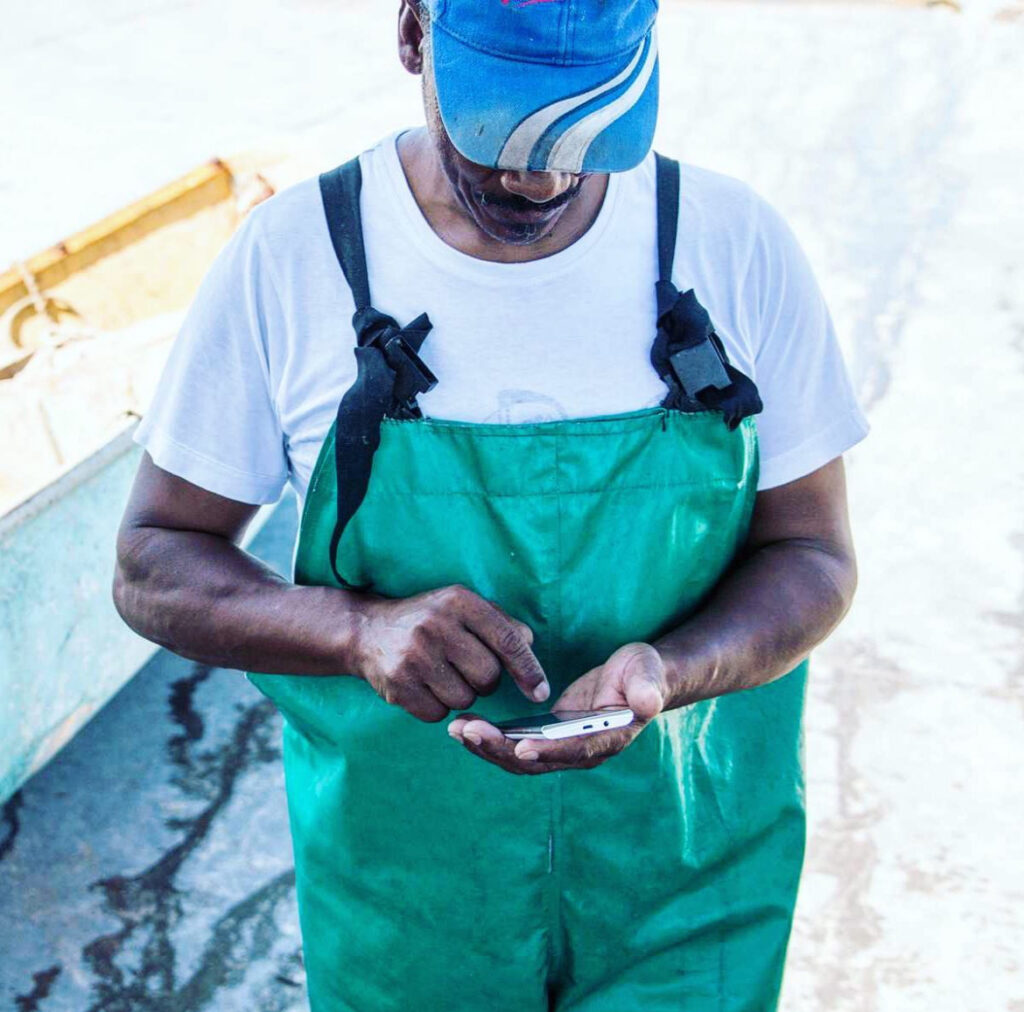
To help shift this imbalance, Abalobi has developed a digital platform that lets fishers easily record their daily catch using a mobile app. That information flows straight to chefs, retailers and individual customers, who can see exactly where their seafood comes from and buy directly from the fishers themselves. The aggregated data also gives fisheries’ managers a clearer picture of activity on the water and the health of the surrounding ecosystems.
Serge Raemaekers, co-founder and executive director of Abalobi, brings a mix of scientific and community-focused experience to the organization. He sees his role as creating space for small-scale fishers to lead by shaping the tools, decisions and direction of the initiative. Fishers guide Abalobi’s growth in ways that support long-term change and can be replicated elsewhere.
What sets Abalobi apart is its focus on this “first mile” of traceability, where data is captured by the fishers themselves rather than added later in the supply chain. By building transparency from the moment a fish leaves the water, the platform strengthens ecological monitoring and helps fishers use accurate information to improve quality, pricing and everyday business decisions.
Abalobi’s technology begins with a simple but powerful step: Fishers enter key details about each catch – what species they landed, where and when it was caught, and how it was harvested – directly into the app. That information becomes a digital “catch card” that chefs, retailers and customers can scan or view online to trace the seafood back to its source. Features such as transparent pricing, digital payments and improved household financial planning enable a broader shift for fishers.
These changes have moved many fishing families from food insecurity to greater stability, opening the door for stronger participation in stewardship and local decision-making – while also creating jobs, strengthening the role of women and supporting coastal communities as a whole.
The impact has been significant: More than $2 million has flowed directly back into small-scale fishing communities, with 7% of market value retained locally and nearly 8,000 fishers benefiting across Abalobi’s programs. Thirty-eight fisher collectives have been supported, with women making up 41% of beneficiaries.
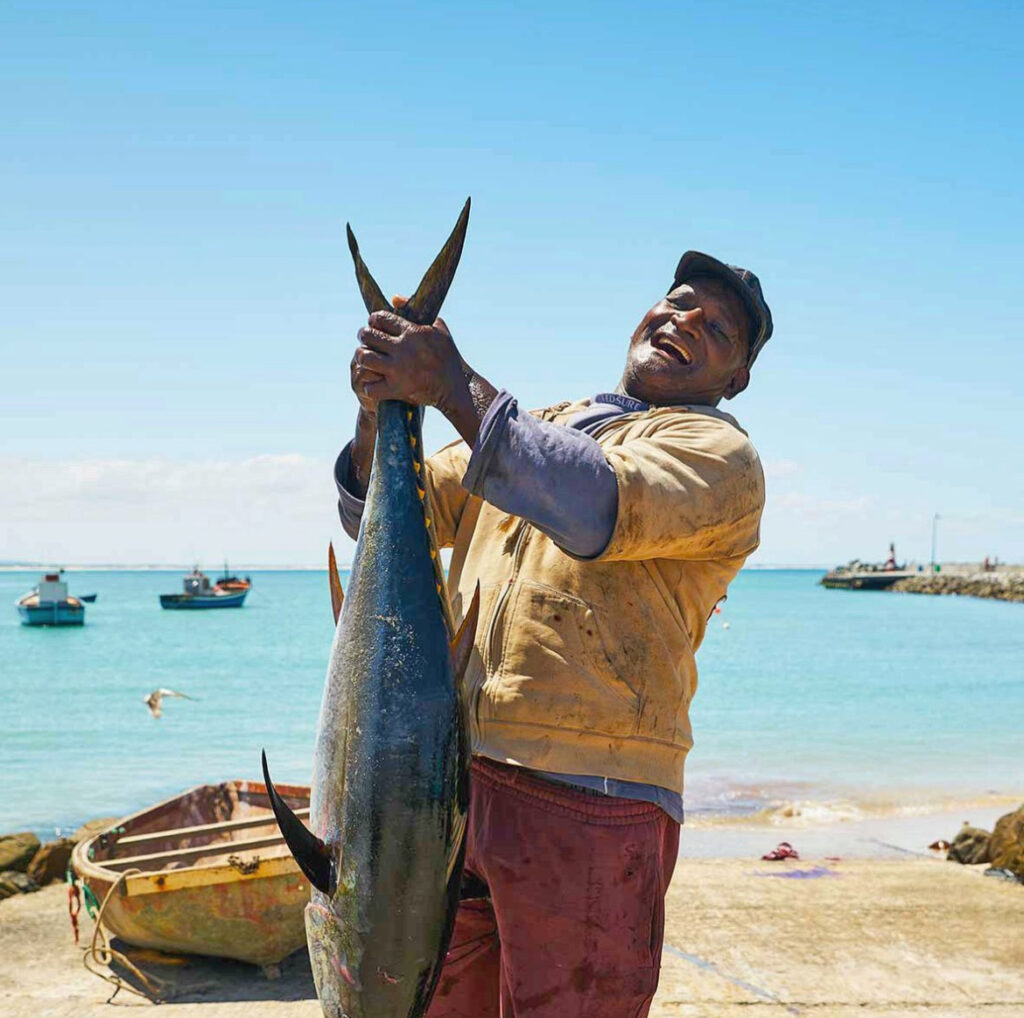
Ecological gains are equally notable. Within three years, 93% of their market’s catch composition met sustainability criteria, catch rates for key species remained stable and more than 488 tons of fully traceable, legal seafood were sold.
Abalobi’s growth has been strengthened by partnerships across the world, collaborating with grassroots organizations in Africa, Chile and Mexico, as well as leading international chefs who helped champion the program. The organization’s work also earned recognition: Abalobi was named a finalist in the 2025 Ocean Exchange competition, a Fort Lauderdale-based initiative that supports promising solutions for a healthier ocean and a sustainable blue economy.
The Abalobi Monitor app, already used in multiple regions, is adaptable to local contexts and provides a practical entry point for collaborative fieldwork. Students can take part in internships, thesis projects and community-based studies through Abalobi’s network, gaining firsthand experience in small-scale fisheries.
Raemaekers encourages students to engage deeply with the communities they hope to support, noting that meaningful work in the blue economy “requires more than lab-based expertise – it demands long-term relationships and an understanding of local realities.” He also urges the public to take an active role in shaping sustainable seafood systems by asking where their fish comes from, supporting local and traceable sources, and taping into networks such as LocalCatch.org.
Looking ahead, Abalobi plans to extend its work beyond the communities it currently serves, helping small-scale fishers around the world strengthen their livelihood and the ecosystems they rely on. By giving fishers better information and more direct access to markets, the model shows how communities can shape more sustainable and resilient fisheries.
In the long-term, Abalobi aims to support a future in which small-scale fishers are recognized as essential partners in caring for the ocean and adapting to a changing climate.
Jasmine Silvennoinen is a second-semester master’s student in the Department of Biological Sciences at Florida Atlantic University. Banner photo: Fishing boats on Kalk Bay Harbor in South Africa (iStock image).
Sign up for The Invading Sea newsletter by visiting here. To support The Invading Sea, click here to make a donation. If you are interested in submitting an opinion piece to The Invading Sea, email Editor Nathan Crabbe.
