


By Karen Dougherty, C-Change Conversations
Has anyone else noticed their energy bills creeping up? In some parts of the country the increases are downright alarming. What if you could lower those bills and help tackle climate change at the same time? If that sounds appealing, read on.
For nearly all of us, keeping our homes comfortable requires energy. Despite relocating from the Northeast to the Southeast to escape the unforgiving winters, I still run my heat a lot this time of year. Energy use creates emissions, and for most households, our biggest energy hogs are heating and air conditioning. Even for those of us using electric heat pumps, the electricity often still comes from a grid that relies on fossil fuels.
Reducing energy use at home does double duty: It cuts expenses and it reduces heat-trapping emissions. That’s a win most of us can get behind.
So how can we stay cozy without cranking the heat or AC? In a word: weatherizing.
Weatherizing our homes is a surprisingly effective climate solution. And it’s a cost-effective one, too. Best of all, it makes an immediate impact. Don’t own your home? No problem. Most of these tips still apply to renters.
The two main strategies are simple: seal and insulate. Here are a few places to start:
Seal: Air leaks are sneaky, but fixing them can make a noticeable difference.
- Caulk and weatherstrip around windows, doors and trim.
- Check for gaps around dryer vents, plumbing, attic access points and electrical outlets (foam gaskets are cheap and easy to install).
- If daylight peeks in around your door, a door sweep or fresh weatherstripping usually does the trick.
- Don’t forget your attic. Seal it like the rest of your home.
Insulate: Seal first, but insulation is where the real savings happen.
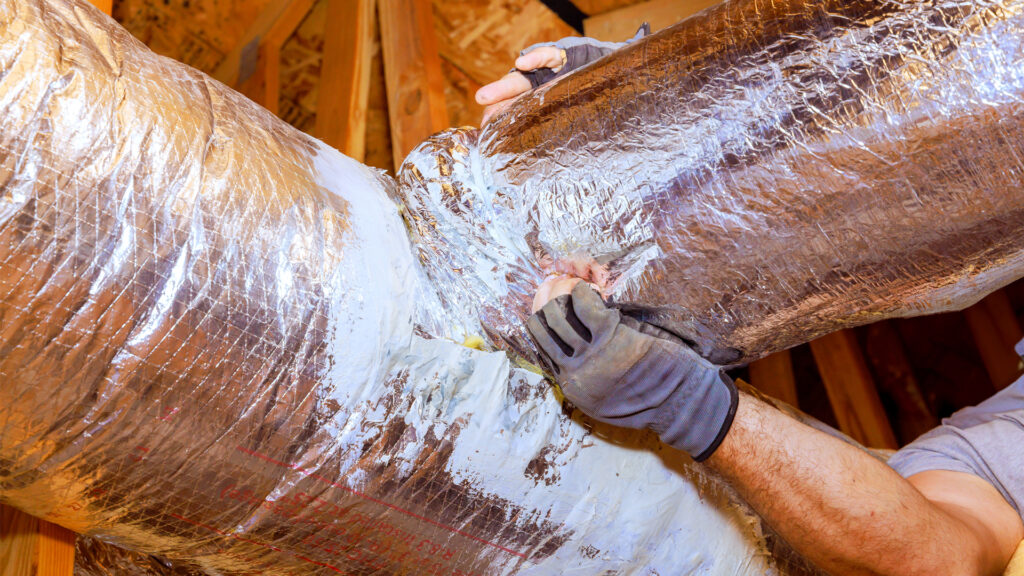
- Attics are priority No. 1. Heat loves to escape upward, so adding insulation here is often the biggest bang for your buck. There are several options to choose from based on your specific situation.
- In basements or crawlspaces, consider adding rigid foam or spray foam insulation.
- Insulate your water heater and hot water pipes.
- Walls are tougher to DIY, but blown-in cellulose can make a big difference in older homes.
- Take stock of your windows. Thermal curtains or cellular shades really help. In colder months, open shades on south-facing shades during the day and close them at night (reverse this in summer). Applying window film is also surprisingly helpful at cutting winter drafts.
- If your windows are ancient and leaky, consider replacing them with double-pane. This is a pricey decision, so you can try insulating first if you’re not ready to invest (or if you are living in a rental).

For those who want to be thorough, you might consider a professional home energy audit. This would give you a comprehensive assessment of where you are using and losing energy in your home along with a plan to make changes.
If you’ve been following the B-Change blog, you may have noticed a recurring theme: Many of the actions we can take to help reduce the effects of climate change also make our lives better. I call those win-wins. Why not give a few a try and see for yourself?
Karen Dougherty writes the B-Change Blog for C-Change Conversations, a national nonprofit that provides nonpartisan education on climate change, and also blogs about climate change at unheating.com. This piece was originally published at https://c-changeconversations.org/weatherizing-your-home. Banner photo: Caulking being put around a door (iStock image).
Sign up for The Invading Sea newsletter by visiting here. To support The Invading Sea, click here to make a donation. If you are interested in submitting an opinion piece to The Invading Sea, email Editor Nathan Crabbe.
