


By Tara Hubbard, Hubbard’s Ferry, and Caleb Quaid, Clean Energy Help
Earlier this month, many Floridians received an unusual request from their utility provider: Use less power during peak morning hours to ease strain on the grid. It was a quiet reminder of a larger reality: Florida’s energy demand is growing, and our system is feeling it.
At the same time, renewed federal interest in eastern Gulf oil drilling has prompted Florida’s familiar bipartisan response: not here. From the Panhandle to the Keys, opposition to offshore drilling remains one of the few areas of broad agreement in our state.
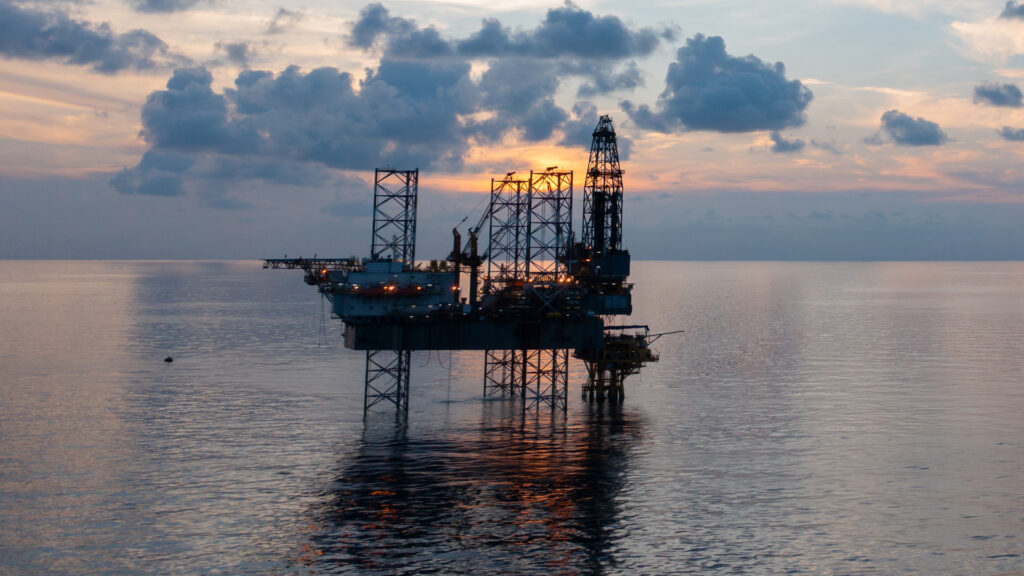
But these conversations are linked. Florida has been clear about what it opposes, yet far less clear about what it supports. Opposition alone is not an energy strategy. If we want to keep drilling away from our shores for good, we must also address how we meet rising energy needs. That means moving beyond defense and toward a practical, forward-looking energy plan. Saying “no” to drilling requires saying “yes” to a more resilient clean energy future.
For those of us whose families have lived and worked on Florida’s waters for generations, the threat of offshore drilling isn’t an abstract policy debate — it’s an existential one.
Florida’s “Blue Economy” is the engine of our state. Our tourism, commercial fisheries and marine transportation sectors represent billions of dollars in annual revenue. Even the perception of oil on our beaches can cause economic ripples that last for years. In Florida, our environment is our economy. To risk the crown jewel of our natural heritage for a finite supply of fossil fuels is a bad business deal. We aren’t just protecting a view; we are protecting the livelihoods of every Floridian who relies on a clean, vibrant Gulf.
The missing piece
The fatal flaw in Florida’s anti-drilling stance has always been the absence of an alternative. When we reject drilling without offering a systems-level energy plan, we leave a vacuum that others will eventually try to fill. The choice between a thriving environment and energy independence is a false binary.
True energy security — the kind that keeps our lights on during hurricanes and stabilizes our monthly bills — cannot be found at the bottom of the Gulf. It is found in a resilient, diversified energy grid, powered by distributed clean energy technologies. If we want to be taken seriously on the national stage, Florida must articulate a bold vision for how we will power our growth through clean energy without sacrificing our shores.
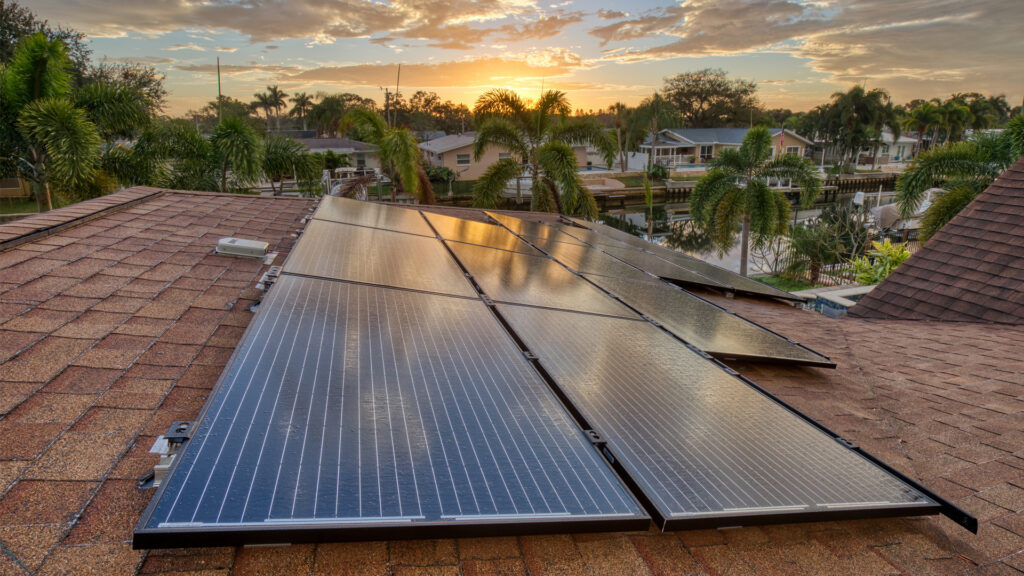
Proven, cost-effective clean energy technologies are a better alternative than drilling for Florida. Florida is the “Sunshine State” and already boasts the third most solar production in the United States. We can prioritize investment in harnessing the sun — our most abundant resource.
Ground-source geothermal systems complement this approach by quietly reducing building energy demand year-round, easing peak loads on the grid without relying on fuel markets or weather conditions. Battery storage, including emerging technologies like vehicle-to-grid, offers an opportunity for partnerships among utilities, residents and businesses to meet our growing energy needs without the risk of drilling.
Real renewable leadership in Florida means treating clean energy as an economic strategy and critical infrastructure — not a political statement.
A call to action
Leadership requires more than just a veto; it requires a roadmap. To secure our coastlines for the next generation, Florida’s leaders should focus on three nonpartisan pillars:

1. Resilience through clean energy infrastructure
Strengthen Florida’s energy system by expanding clean, distributed resources — such as solar, storage and geothermal — that keep power flowing during storms, heat waves, cold fronts and grid disruptions.
2. Cost stability and economic growth
Prioritize clean energy investments with low operating costs and long asset lives to reduce exposure to fuel price volatility, lower long-term energy costs, and support skilled, local jobs across Florida.
3. Local energy and grid security
Deploy clean energy where power is used — on homes, businesses, schools and public facilities — reducing reliance on centralized systems and imported fuels while giving communities greater control over their energy future.
Florida has a unique opportunity to model how a coastal state protects its economy while leading an energy transition. We do not have to choose between our beaches and our power bills. The real choice before us is not “drilling vs. nothing.” It is “drilling vs. building the future.”
By saying “yes” to clean energy leadership, we ensure that the only things hitting our shores for the next hundred years are the tourists who love our waters and the sunshine that powers our homes.
Tara Hubbard, the co-owner and CEO of Hubbard’s Ferry, is a fourth-generation Floridian and regenerative entrepreneur whose work focuses on waterborne transportation, ecotourism, and place-based efforts that reconnect people to nature while strengthening coastal economies and community resilience. Caleb Quaid is the founder and president of Clean Energy Help (and its partner company Regenerative Shift), a Tampa-based consulting firm that currently supports over $500 million in clean energy projects in all stages of development.
This opinion piece was originally published by the Tampa Bay Times, which is a media partner of The Invading Sea. Banner photo: Floating solar panels and a solar farm (iStock image).
Sign up for The Invading Sea newsletter by visiting here. To support The Invading Sea, click here to make a donation. If you are interested in submitting an opinion piece to The Invading Sea, email Editor Nathan Crabbe.

Thank you for this thoughtful article explaining the need for forward thinking, not backward reluctance, as an imperative to resolving both the energy needs and environmental consequences problems facing Florida residents. It appears that communities around the world are recognizing and adopting low cost, highly efficient solar and battery solutions to tackle these problems, while the Sunshine State watches from the sidelines. The inaction and restrictive policies promulgated by the State regarding solar deployment will lead to higher energy costs, more pollution and less economic opportunities than our neighbors and other countries. We are truly sticking our head in the sand when it comes to forward thinking energy development strategies.
One reason is that our monopoly utilities control the agenda through the governor appointed Public Service Commission. Until they start holding the utilities to the standards most Floridians agree are necessary for low cost clean energy we must take action in our own hands. Distributed energy includes small scale solar systems that residents can use to generate their own electricity. We need to make these systems more available and easier to use in Florida homes, apartments and condos.
When bills are proposed in the Florida Legislature to deregulate these systems (they are coming soon) please tell your local representatives to support them. The first necessary step to cheaper, cleaner and more reliable energy for all is to deregulate their existence.
The Sun is a Powerful Tool for Everyone to Use.