


By Trimmel Gomes, Florida News Connection
Florida sits on the front lines of the climate crisis, facing rising sea levels, saltwater intrusion into drinking water and worsening drought conditions.
At next week’s eighth-annual Climate Correction Conference, Meenakshi Chabba, an ecosystem and resilience escientist with The Everglades Foundation, will make the case that restoring the Everglades is not just an environmental project, but a climate resilience strategy with measurable economic and human impact.
“I often call Everglades restoration a resilience multiplier,” Chabba explained, “as we are continuing to document and recognizing surprising dividends that emerge from this mega engineering project, but one that works with nature.”
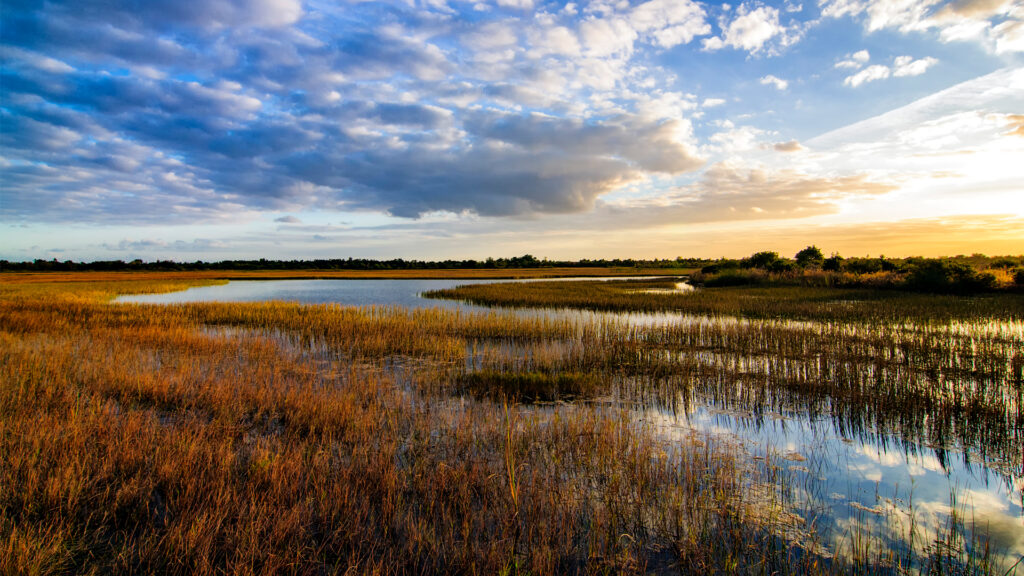
Chabba said Everglades restoration helps South Florida become more resilient to climate change. According to a 2025 Everglades Foundation report, the Everglades ecosystem generates more than $30 billion annually in benefits largely from the economic value of real estate, tourism and flood mitigation.
The two-day conference kicks off Tuesday in Orlando.
Award-winning host and keynote speaker Zay Harding said addressing climate challenges requires shifting focus from institutional solutions to individual agency. His CBS series, “The Visioneers,” highlights innovators around the world tackling environmental problems, and he hopes to spark that same spirit within attendees.
“I mainly want to spark interest in realizing that we have a lot of power within ourselves,” Harding said, “and that we need to stop looking outward and start looking inward, and offering what can we do in our personal lives to better the world.”
Harding added most people are waiting to be told how to help, but real change comes down to daily choices and constantly asking if your actions help or hurt the planet.
The conference, organized by VoLo Foundation, aims to move leaders toward measurable action. Co-founder and trustee Thais Lopez Vogel said connecting climate solutions to human health means addressing root causes, pointing out that one in 10 Florida children suffers from respiratory diseases.
“Thousands of people, good people, philanthropists are building hospitals to treat these kids,” Vogel said. “But what I want them to know is that these kids’ asthma or respiratory disease is because of the pollution, and if we treat the pollution instead of the afterthought, we wouldn’t have that many kids sick of this.”
Only 2% of global philanthropy goes to environmental causes, yet pollution drives everything from childhood asthma to climate disasters. Lopez Vogel said investing in climate solutions is not separate from investing in public health and education, arguing it is foundational to both.
Florida News Connection is a bureau of the Public News Service. Editor’s note: VoLo Foundation is a financial supporter of The Invading Sea. Banner photo: The Florida Everglades (South Florida Water Management District via flickr, CC BY-ND).
Sign up for The Invading Sea newsletter by visiting here. To support The Invading Sea, click here to make a donation. If you are interested in submitting an opinion piece to The Invading Sea, email Editor Nathan Crabbe.
