


By Madeline Kaufman, Debris Free Oceans
The environmental community is celebrating Earth Month this April, but in Miami, many of us are looking ahead with both excitement and concern. This June, the 2026 FIFA World Cup will bring a surge of business and global attention. It will also bring a massive increase in waste at a time when Miami-Dade County is already producing double the national average of trash per person and running out of capacity to manage it.
At the same time, Miami-Dade is weighing a major decision that will shape how we manage waste for decades: a vote on whether to build a new trash-burning facility is expected April 21, ironically just one day before Earth Day, despite well-documented environmental and public health risks. Miami-Dade’s previous incinerator in Doral closed after a three-week fire in 2023.
For years, Miami’s environmental community and frontline neighborhoods, from Doral to West Grove to areas now under consideration for the new incinerator, have urged the county to reconsider spending roughly $2 billion on a system that does not stop waste at the source, but instead turns valuable materials into ash and emissions. These communities are instead calling for investment in solutions that prevent waste, keep materials in circulation and save local businesses money, such as reuse systems.
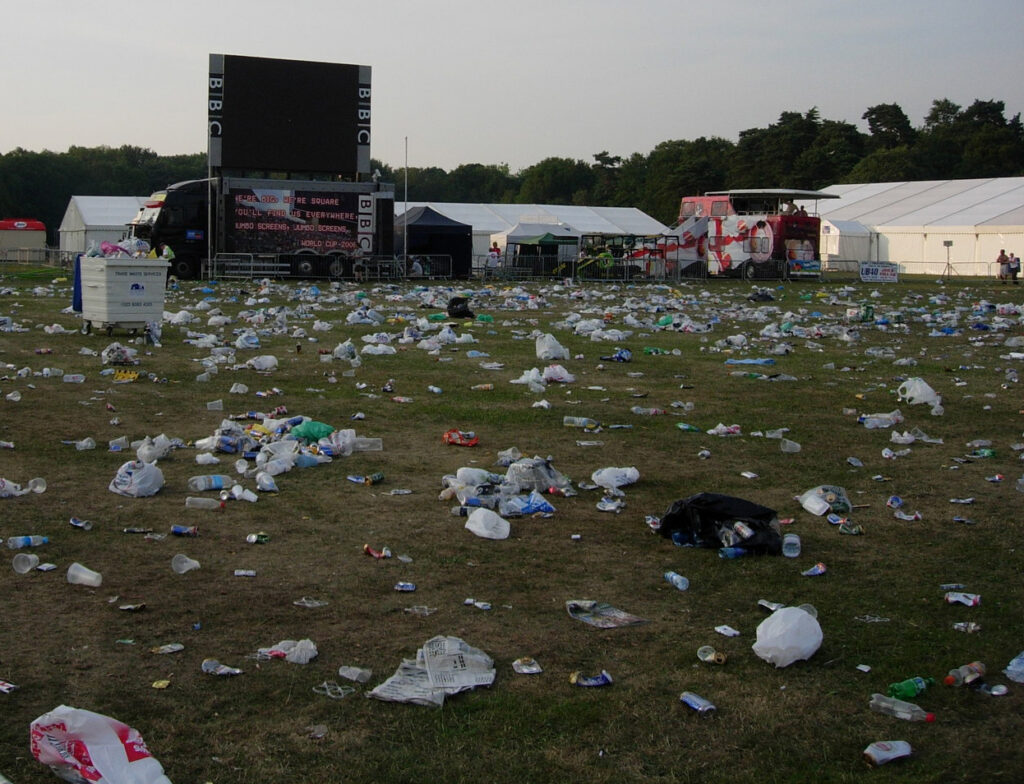
This decision comes as we prepare to host the largest tournament for the most popular sport in the world, not for a single day, but across weeks of fan festivals, watch parties and celebrations. It raises a critical question: Will we double down on burning waste, or invest in solutions that prevent it in the first place?
Miami will host seven World Cup matches filling nearly 455,000 seats across those games, while the official Fan Festival at Bayfront Park is expected to run for more than 20 days, drawing tens of thousands of attendees daily. Together, these events represent over 1 million attendees, not including countless unofficial gatherings across Miami-Dade. Without intervention, this could mean millions of disposable cups used once and discarded in Miami in a matter of weeks.
We do not currently have an incinerator to manage this waste, and building one now would not solve our immediate challenges. Instead, it would lock us into a system that depends on generating trash for decades. Incinerators require a constant stream of waste and are often backed by “put-or-pay” contracts that penalize municipalities if they do not supply enough. This discourages waste reduction and reuse while committing us to long-term emissions and toxic ash disposal.
The good news is that proven alternatives already exist. Large-scale reusable cup systems are operating successfully at major events around the world, using centralized collection, commercial washing, and redistribution to reduce substantial amounts of waste while maintaining a smooth fan experience. Companies such as CupZero, Vytal, Bold Reuse and r.World already provide these professional services to cities, school districts, stadiums and small businesses.
For bars and smaller venues, the transition is even simpler. Many already have dishwashing infrastructure, making it easy to switch to reusable cups. Reusables eliminate ongoing spending on disposables, lower storage needs, cut waste hauling costs and improve customer experience. In Wynwood, Midline nightclub saves nearly $15,000 and avoids more than half a million single-use plastics each year by using reusable cups.
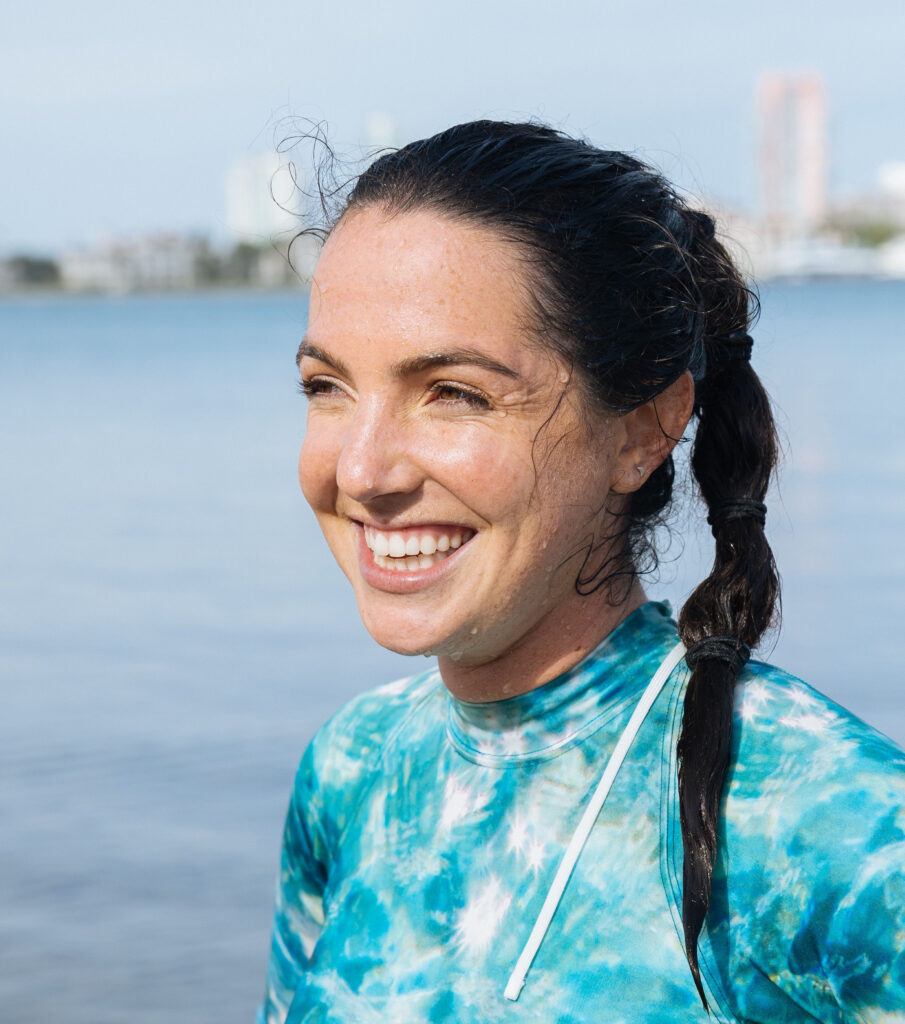
The Zero Waste Miami coalition is currently advocating for reuse at World Cup events through the #KickTheCup campaign, including a sign-on letter submitted to the Miami Host Committee and a social media toolkit encouraging venues, bars and event producers to swap disposable cups for reusables.
To stand up for waste reduction over waste burning, you can join the Sierra Club’s press conference on April 21 at 9 a.m. at the Stephen P. Clark Government Center. If the incinerator item is placed on the agenda, as expected, you can make a public comment to the Board of County Commissioners.
With enough momentum, we can head into Earth Day not just celebrating, but choosing a future where Miami reduces waste, keeps materials in circulation, and protects the vibrant communities and ecosystems that make this place paradise.
Madeline Kaufman is the Zero Waste Institutional Change Director of Debris Free Oceans, a Miami-based nonprofit that empowers local communities to go zero waste so that all can have access to a healthy environment and clean oceans. Kaufman currently leads their Zero Waste Miami coalition, coordinating a group of 160-plus cross-sector stakeholders working to build Miami’s circular economy. She also teaches a tropical coastal restoration course at the University of Miami. Banner photo: A match between the United States and Wales during the 2022 FIFA World Cup (Tasnim News Agency, CC BY 4.0, via Wikimedia Commons).
Sign up for The Invading Sea newsletter by visiting here. To support The Invading Sea, click here to make a donation. If you are interested in submitting an opinion piece to The Invading Sea, email Editor Nathan Crabbe.
