


By Thais Lopez Vogel, VoLo Foundation
For years, monitoring the environmental crisis has been dominated by warnings. But sometimes, a key truth gets overlooked: Science, technology and human knowledge are producing real advances that improve our quality of life, strengthen the economy and reduce our impact.
We are not where we should be, but we are not standing still either.
Recent data from the U.S. Energy Information Administration offers a powerful signal: In 2025, gasoline consumption in the United States fell 1% compared with 2024, even as Americans drove more. The country consumed 8.9 million barrels per day, 4% less than in 2019, before the pandemic began.
It matters because it challenges an old assumption: More economic activity does not necessarily mean more energy consumption.
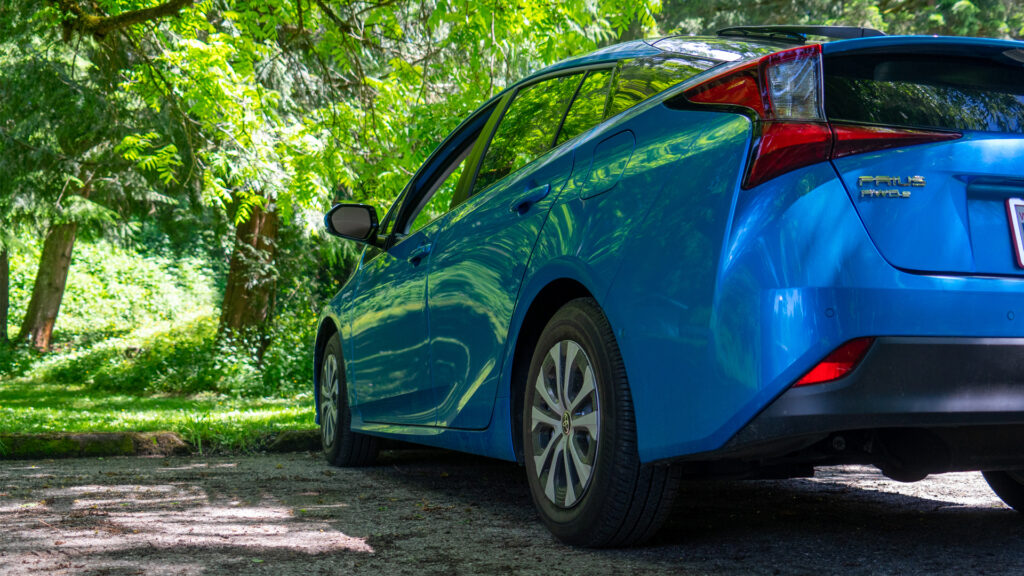
The main reason behind this shift was not reduced mobility or a recession. It was something far more hopeful: efficiency.
According to the U.S. Environmental Protection Agency, new vehicles in the United States are now 41% more fuel-efficient than they were in 2004, reaching a record average of 27.2 miles per gallon in 2024.
This figure represents a quiet victory built on decades of engineering, regulation, scientific research and technological development.
In other words, we are still moving, working, producing and traveling, but with less impact per mile.
The economic good news
This is not just an environmental victory. It is also a concrete improvement for millions of families.
Every gain in efficiency means lower spending on gasoline, more disposable income for households, less vulnerability to energy crises and greater national stability.
In an economy where transportation remains essential, using less fuel to accomplish the same tasks is, in essence, productivity.
It also represents an industrial transformation. Hybrid engines, electrification, batteries, energy management software and stronger standards are creating entire economic sectors around innovation.
Economic history shows that great societies prosper when they do more with less, which is exactly what is happening.
The environmental good news
Since 2004, vehicle emissions have declined significantly, and efficiency has increased dramatically since 1970 thanks to better technologies.
It translates into cleaner air, fewer respiratory illnesses, less pressure on health systems and more livable cities.
This is not utopia. It is tangible progress.
Knowledge works

These results remind us of something fundamental: When a society invests in research, technical standards, industrial innovation and knowledge, the results can be extraordinary.
Energy efficiency did not appear on its own. It was the product of applied human knowledge.
Technology is doing a large part of the work, but the next step requires more public transportation, more walkable cities, electrification and more efficient energy grids.
Humanity learns, adapts and innovates.
Every optimized engine, every better-designed hybrid, every advance in batteries and every evidence-based public policy proves that technological progress is a real tool for improving our lives.
Let us keep proving that human knowledge can make our economy stronger and our planet more sustainable at the same time.
Thais Lopez Vogel is the cofounder and trustee of VoLo Foundation, a private family organization that exists to accelerate change and global impact by supporting science-based climate solutions, enhancing education and improving health. VoLo Foundation is a financial supporter of The Invading Sea. This piece was originally published at https://volofoundation.org/news/the-power-of-doing-more-with-less. Banner photo: A vehicle assembly line (iStock image).
Sign up for The Invading Sea newsletter by visiting here. To support The Invading Sea, click here to make a donation. If you are interested in submitting an opinion piece to The Invading Sea, email Editor Nathan Crabbe.
