


By Greg Batista, G. Batista Engineering & Construction
Florida’s buildings are fighting a losing battle against their own climate. Salt air, rising humidity, intensifying storms and decades of chloride exposure are corroding the steel inside concrete faster than almost anywhere else in the country — and faster than the inspection schedules designed to catch it.
Thousands of post-war coastal buildings are now exceeding their design lifespan. The chemistry is simple and unforgiving: warmer, wetter, saltier air means faster corrosion means shorter building life.
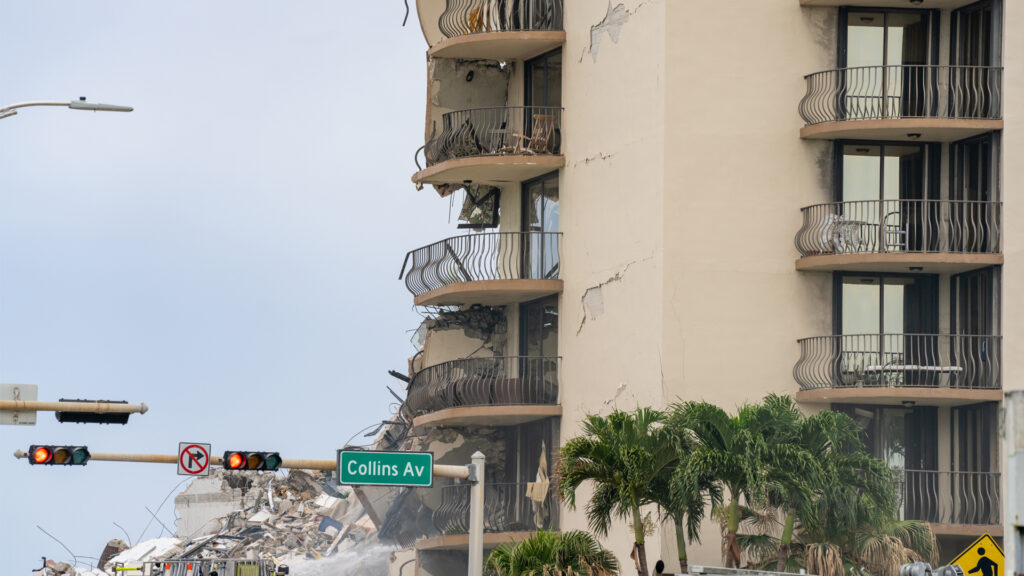
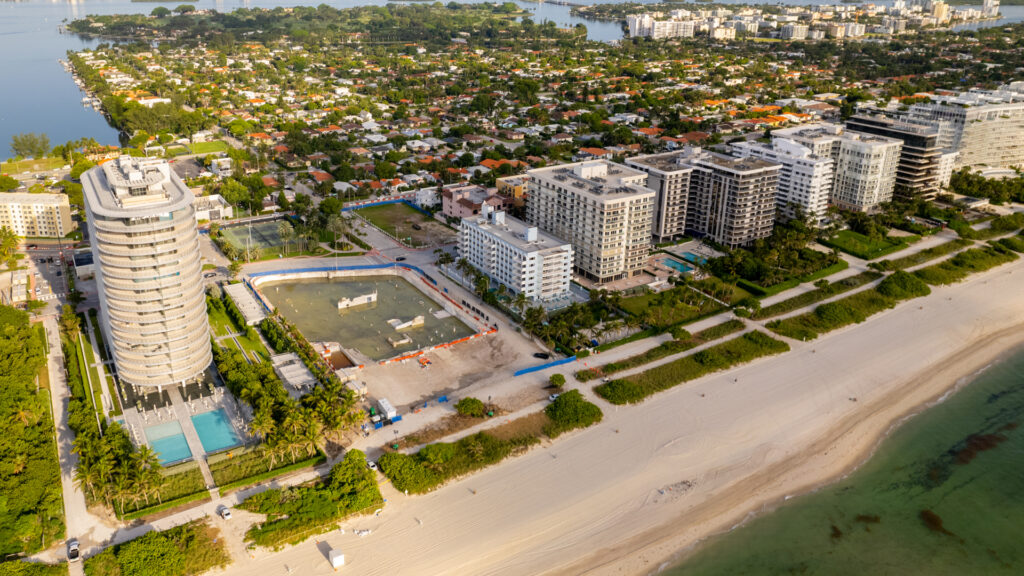
Florida did not look away after the tragedy. Following the June 24, 2021, collapse of the Champlain Towers South in Surfside, state lawmakers took on one of the most difficult challenges in public policy: regulating the safety of aging private buildings without waiting for another failure to force action.
The result was Senate Bill 4D, legislation that fundamentally changed how structural risk is identified and funded across the state. Lawmakers, including Sen. Jason Pizzo, helped establish Milestone Inspections and Structural Integrity Reserve Studies that now require condominium associations to evaluate building conditions and plan financially for long-term structural repairs.
These reforms were necessary.
SB 4D forced long-ignored realities into the open. Engineers are now required to take a much closer look beyond aesthetics and document substantial structural deterioration. Associations must plan and reserve funds for future repairs rather than deferring them indefinitely. Owners are receiving clearer information about the condition of the buildings they live in.
Most importantly, the law explicitly recognizes that deterioration includes corrosion of reinforcing steel, not just visible cracking or surface damage.
That acknowledgment matters. In Florida’s climate, corrosion is the dominant driver of long-term structural decline.
Milestone inspections are a powerful tool, but they remain snapshots in time. Corrosion does not follow inspection schedules. It progresses quietly, internally and unevenly. There are things that inspections can’t see.
In many buildings, corrosion activity accelerates between inspection cycles due to salt exposure, humidity, normal wear and tear, and even vibration from nearby construction. By the time damage becomes visible, repairs are often more extensive and more expensive than they would have been if detected earlier.
SB 4D revealed a critical truth: Florida now knows more about its buildings than ever before, but it is still largely blind between inspections.
This is where modern monitoring tools come in.
Corrosion sensors and structural monitoring systems allow engineers to track moisture, corrosion activity, movement and vibration continuously. Instead of guessing whether deterioration is progressing, teams can verify conditions with data.
This does not replace inspections. It strengthens them.
Continuous monitoring helps confirm whether repairs are performing as intended. It provides early warning when conditions change. It supports better budgeting and more defensible engineering decisions. For boards and owners, it replaces uncertainty with evidence.
SB 4D was never meant to be the final word on building safety. It was a foundation.
Recent legislative adjustments underscore that foundation-building is still underway, as lawmakers work to balance safety requirements with affordability for owners in aging buildings.
Florida is now positioned to lead again by encouraging the use of monitoring as a complement to inspections and reserve planning. This does not require sweeping new mandates. Pilot programs, professional guidance and integration into best practices would move the state forward.
The data collected today can inform future policy, improve safety and help reduce lifecycle costs by identifying problems before they become emergencies. It can also help ensure that the hard lessons learned after Surfside translate into lasting protection for residents statewide.
The technology to do this exists and is already being deployed in Florida. For more on structural monitoring in Florida’s coastal buildings, find a detailed white paper available at https://askgbatista.com/the-future-of-structural-modeling/.
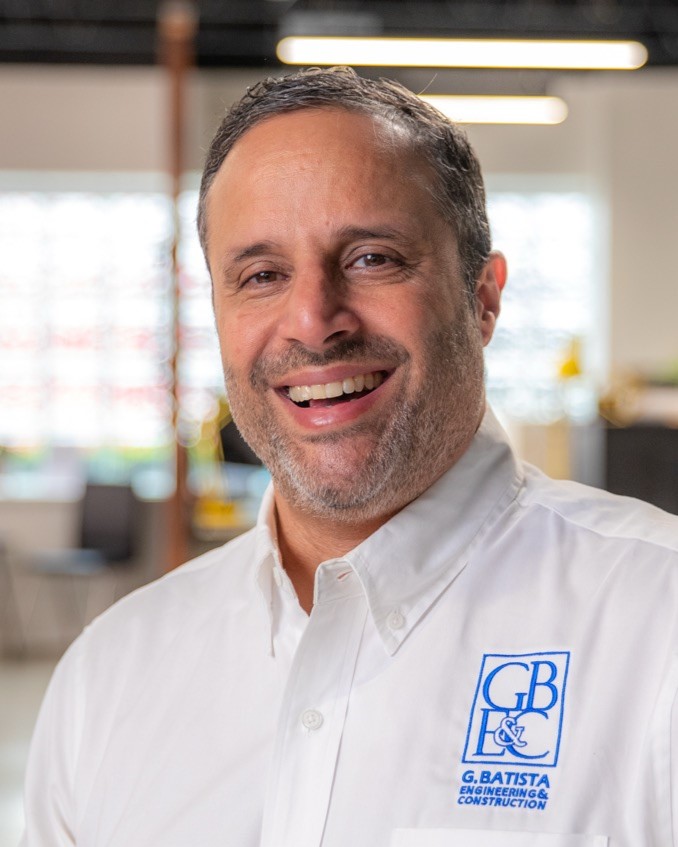
Greg Batista, PE, CGC, SI, is a Fort Lauderdale–based structural engineer, certified general contractor and special inspector with more than 35 years of experience in structural inspections, concrete restoration, corrosion mitigation and building safety. He is president of G. Batista Engineering & Construction. Banner photo: A ground view of the partially collapsed Champlain Towers South condo building in 2021 (Miami-Dade Fire Rescue Department, Public domain, via Wikimedia Commons).
