


By Mireille Louis Charles and Sheena Mathai, Florida Clinicians for Climate Action
In July, devastating floods tore through Kerr County, Texas, killing more than 130 people and crippling critical infrastructure — health care, transportation, electricity. Now, South Florida bakes under record-breaking heat. In a world increasingly shaped by climate disasters, resilience can no longer be reactive; it must be built into how we live, care and prepare, especially for those who are pregnant or parenting.
Florida Clinicians for Climate Action trains doulas and medical students to help pregnant clients recognize and prepare for health risks from heat and extreme weather. We connect them with lifesaving resources and develop personalized disaster plans to ensure safe pregnancy, childbirth and postpartum recovery.
Recently, via Zoom we met with a client in her 39th week of pregnancy. She lives in North Miami Beach — an area highly vulnerable to both heat waves and flooding. Using three evidence-based screening tools, we evaluated her Climate-Heat Risk, Community-Flood Risk and Response-Emergency Preparedness (CCR).
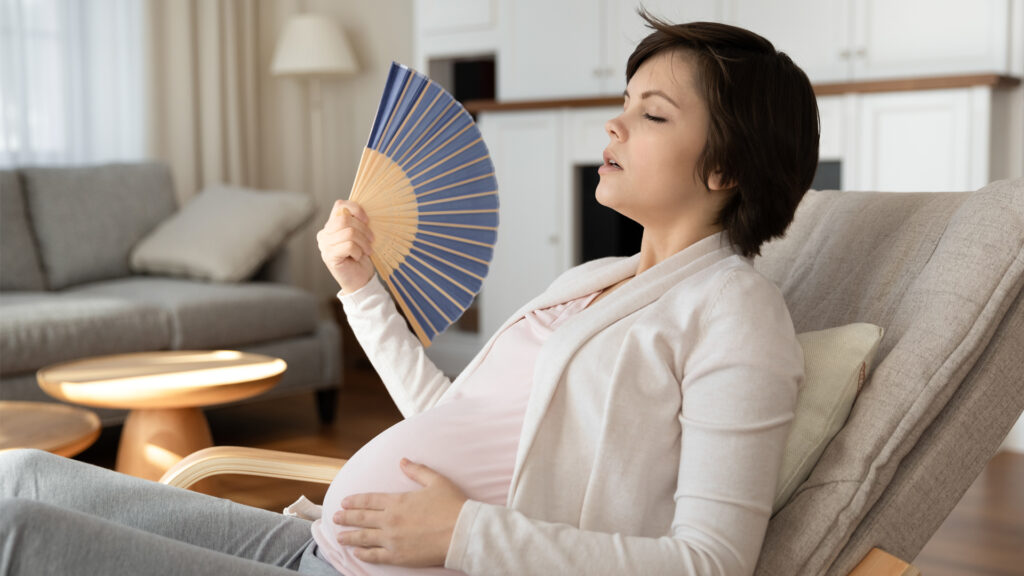
She seemed prepared at first, armed with an air-conditioned home, fans, an air purifier and an awareness of peak heat hours. When asked what she would do if the power went out, her response gave us pause: “I’d just sit in the car with the AC on.”
She hadn’t considered alternative cooling options like libraries, churches or community centers. This is not unusual. Many people — especially those most vulnerable to heat illness, such as pregnant people, infants and the elderly — lack a backup cooling plan.
The Centers for Disease Control and Prevention warns that extreme heat exposure increases the risk of preterm birth, low birth weight and stillbirth. With Florida’s extreme heat days climbing steadily, this is not just a climate issue — it’s a maternal and infant health emergency.
Next, we assessed her flood risk using the Federal Emergency Management Agency’s Flood Map Service. Her ZIP code, 33162, is in a Special Flood Hazard Area. According to the First Street Foundation, 62.8% of properties in North Miami Beach are already at risk of flooding — rising to 93.8% within 30 years.
“I’ve seen it on the news and Instagram, but I didn’t know it was that serious for us too,” she admitted.
We discussed the importance of flood insurance, emergency plans and safe evacuation routes. Many don’t realize that just six inches of moving water can knock a person down, and 1 foot can sweep away a car. For pregnant people, being cut off from emergency care during floods can be life-threatening.
When I asked about evacuation plans, she told me her parents were her emergency contact. The problem was immediately evident: The patient lived with her parents. That meant that in a crisis, the whole household would be figuring things out together at the same time. With no emergency supplies, no backup shelter and no transportation strategy, they would not get very far.
“You’ve got me thinking about preparedness in a whole different way,” she said. Moments later, her phone rang — the hospital was scheduling her C-section for the next morning.
Based on our CCR assessment, she scored two out of six — severely unprepared. We scheduled follow-ups to map evacuation routes, locate cooling centers and stock emergency supplies.
Doulas are trusted partners during one of life’s most vulnerable times. With climate-driven disasters becoming more frequent and severe, we are uniquely positioned to offer education and guidance that can save lives. We are not just preparing families for birth — we are preparing them for a changing world.
Pregnant people should not have to navigate the growing dangers of extreme heat, flooding and storms alone. We urge public health leaders, policymakers and community organizations to:
- Integrate climate resilience screening and education into perinatal care
- Fund doula-led initiatives that train families in disaster preparedness
- Expand access to cooling centers, flood-safe shelters and emergency resources for vulnerable communities
In the face of intensifying climate threats, preparing for a baby now means preparing for everything — because resilience isn’t something you’re born with; it’s built, step by step.
Mireille Louis Charles is a doula; Sheena Mathai is a fourth-year medical student. Both are Climate Health Outreach Team Educators for Florida Clinicians for Climate Action. Banner photo: A doula massages a pregnant woman (iStock image).
Sign up for The Invading Sea newsletter by visiting here. To support The Invading Sea, click here to make a donation. If you are interested in submitting an opinion piece to The Invading Sea, email Editor Nathan Crabbe at ncrabbe@fau.edu.
