


By Iuliia Istratiy
Every fall, coastal residents of Florida wait and wonder: Will the water stay clear, or will the red tide return? This harmful algal bloom, caused by the algae Karenia brevis, does not devastate our shores every year — but it never truly goes away. Its cycle is a reminder that even when it fades from headlines, it lingers offshore, waiting for the right conditions to bloom again.
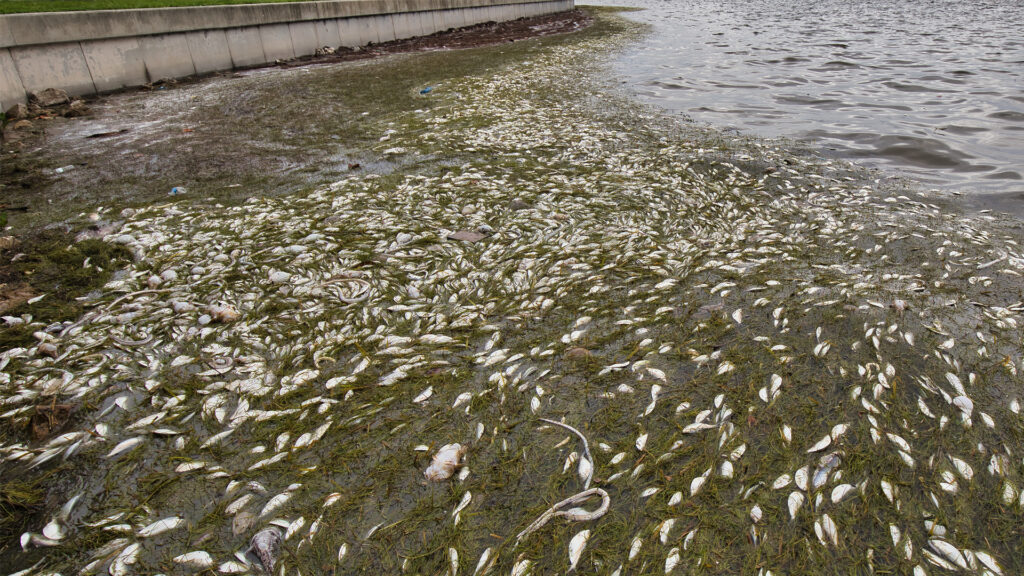
Red tide is not a one-time disaster. It is a recurring phenomenon, sometimes mild, sometimes devastating. In some years, like 2020, the blooms were minor. But history shows us how quickly conditions can change: In 2018, one of the worst events in decades left Florida’s coasts littered with dead fish, dolphins and manatees, while choking tourism and local economies. Even in years with smaller blooms, the health and financial impacts can be severe.
Looking ahead, scientists warn that fall 2025 could be dangerous. Warmer waters, nutrient-rich runoff from heavy rains and ocean currents may create the perfect storm for another widespread bloom. While we cannot yet predict exact timing or severity, we know the risk is rising. Each year, climate change tilts the balance further in favor of longer and stronger blooms.
Red tide toxins do not just kill fish — they affect people. For beachgoers, symptoms often include coughing, sneezing and burning eyes. For those with asthma or chronic lung disease, exposure can trigger serious and lasting health problems. As a mother of a child with asthma, I know firsthand how quickly a day at the beach can turn into a health emergency.
The economic fallout is equally alarming. In 2018, Florida lost an estimated $2.7 billion in tourism revenue due to red tide. Restaurants, hotels and local businesses all felt the impact. Fisheries also suffered as toxins spread through marine life, cutting into one of Florida’s most vital industries. Even during smaller blooms, losses can total hundreds of millions of dollars.
Comparisons with past years help us see the stakes. The 2018 crisis was widespread and long-lasting; 2021 also saw devastating impacts, with more than 1,700 tons of dead fish collected from Tampa Bay. These events remind us that even with advances in monitoring, we remain vulnerable when blooms strike.
Red tide is fueled by more than nature. Human activity plays a direct role:

- Fertilizers and pesticides from farms and lawns wash into waterways.
- Discharges from Lake Okeechobee send nutrient-rich water toward the coast.
- Climate change warms the seas and alters rainfall, intensifying the cycle.
The message is clear: While Karenia brevis may be natural, our choices are making it stronger, more frequent and more costly.
Florida must take red tide seriously — not only as an environmental issue, but as a threat to health, livelihoods and the future of our coasts. This means stricter policies on nutrient pollution, investment in wetland restoration and community awareness.
As residents, we can help by limiting fertilizer use, supporting sustainable water management and staying informed. The state offers a real-time red tide status map, which every family living near the coast should know: myfwc.com/research/redtide/statewide.
Red tide is not just nature’s cycle — it is a mirror of our impact. If we fail to act, the question will not be whether red tide returns, but how devastating it will be next time.
Iuliia Istratiy is a Boca Raton resident and environmental scientist. This opinion piece was originally published by the Sun Sentinel, which is a media partner of The Invading Sea.
Sign up for The Invading Sea newsletter by visiting here. To support The Invading Sea, click here to make a donation. If you are interested in submitting an opinion piece to The Invading Sea, email Editor Nathan Crabbe at ncrabbe@fau.edu. To learn more about harmful algal blooms, watch the video below.
